
Not a single one of them seems to be afraid. They approach the water as if it’s holy. Surely it is holy, a sacred space that calls to them over and over. And they answer the call with jubilation, excitement, and necessity. Surf’s up!
The word spreads as if by an insistent echoing drumbeat; what did they do before the internet? Phone trees? Probably something like. Now it’s easy: check the beach app, send a text to friends, who send texts to friends. One by one they hear the call. The response is almost Pavlovian. Refusal is unthinkable. Surf’s up!
My passion for surfing was more than my fear of sharks. Bethany Hamilton, American professional surfer who lost an arm to a shark attack as a 13-year-old.
We’re all equal before a wave. Laird Hamilton, American big-wave surfer.
This time last year we were at Malua Beach or Broulee Beach on the south NSW coast almost every day for two weeks, and almost every day we see the surfers appear as if by magic, first one, then another, and another, until there’s a whole group of them, striding across the sand, through the shallows,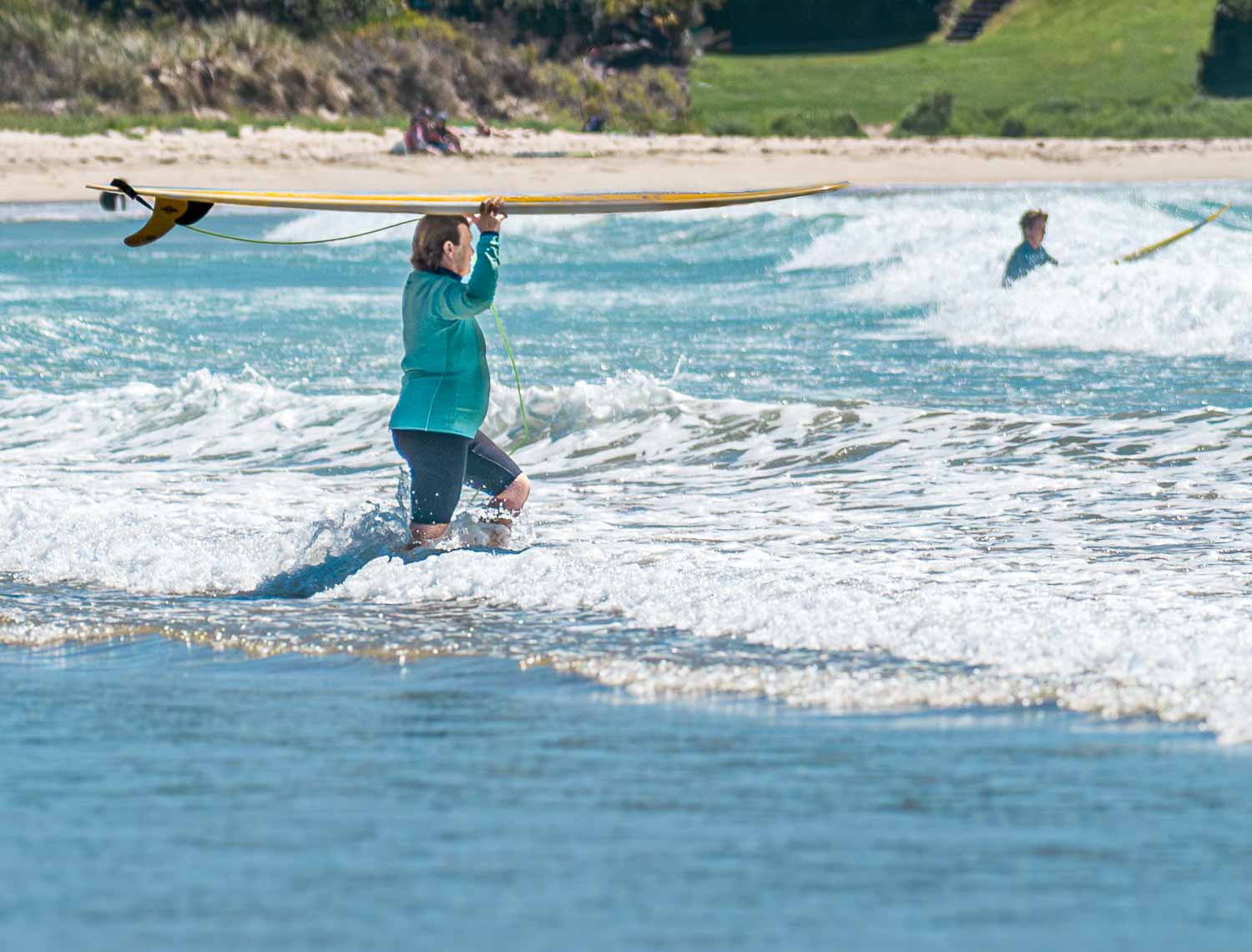
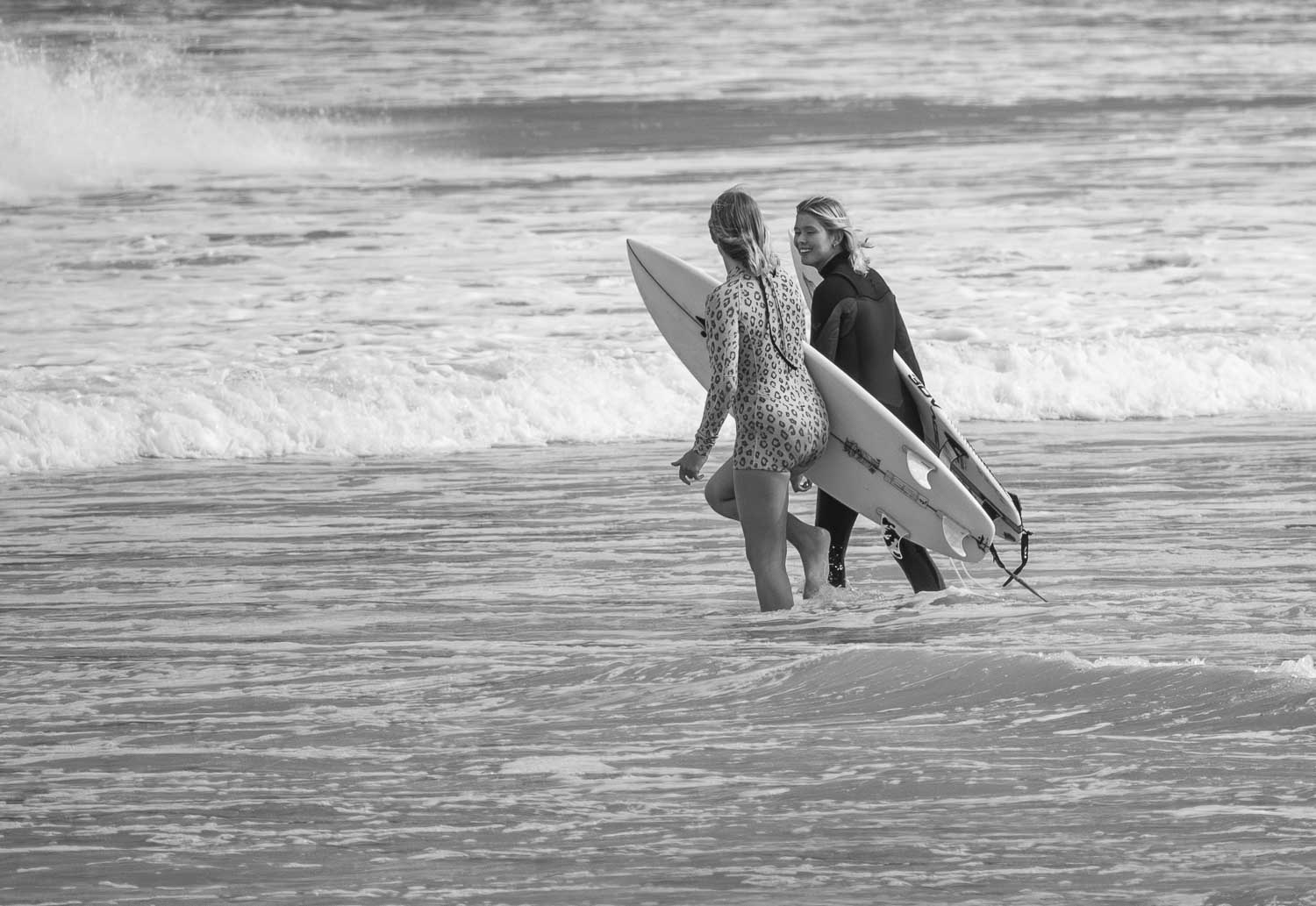
and into the water, waiting for the next wave.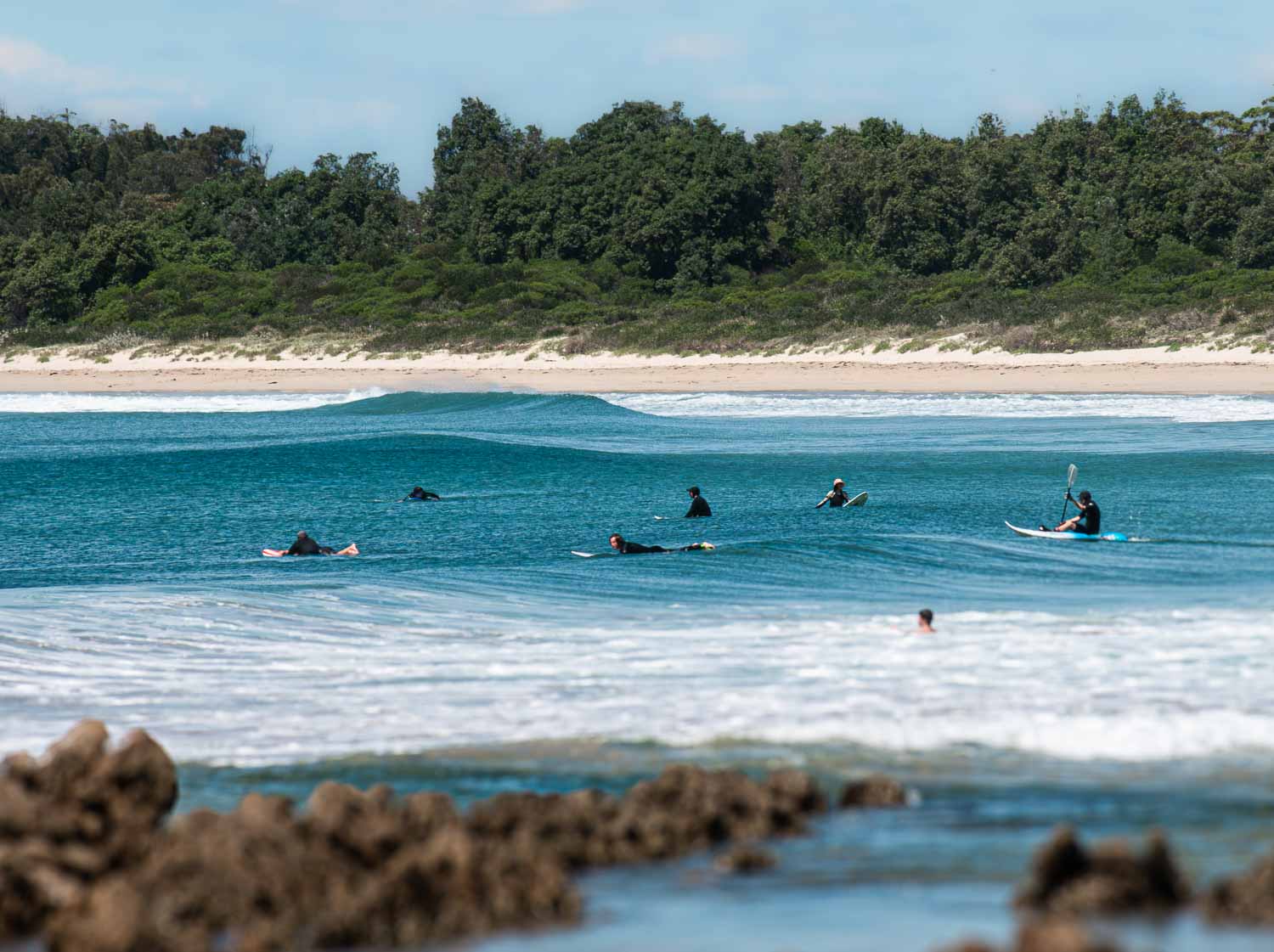
The best surfer out there is the one having the most fun. Phil Edwards, iconic American professional surfer.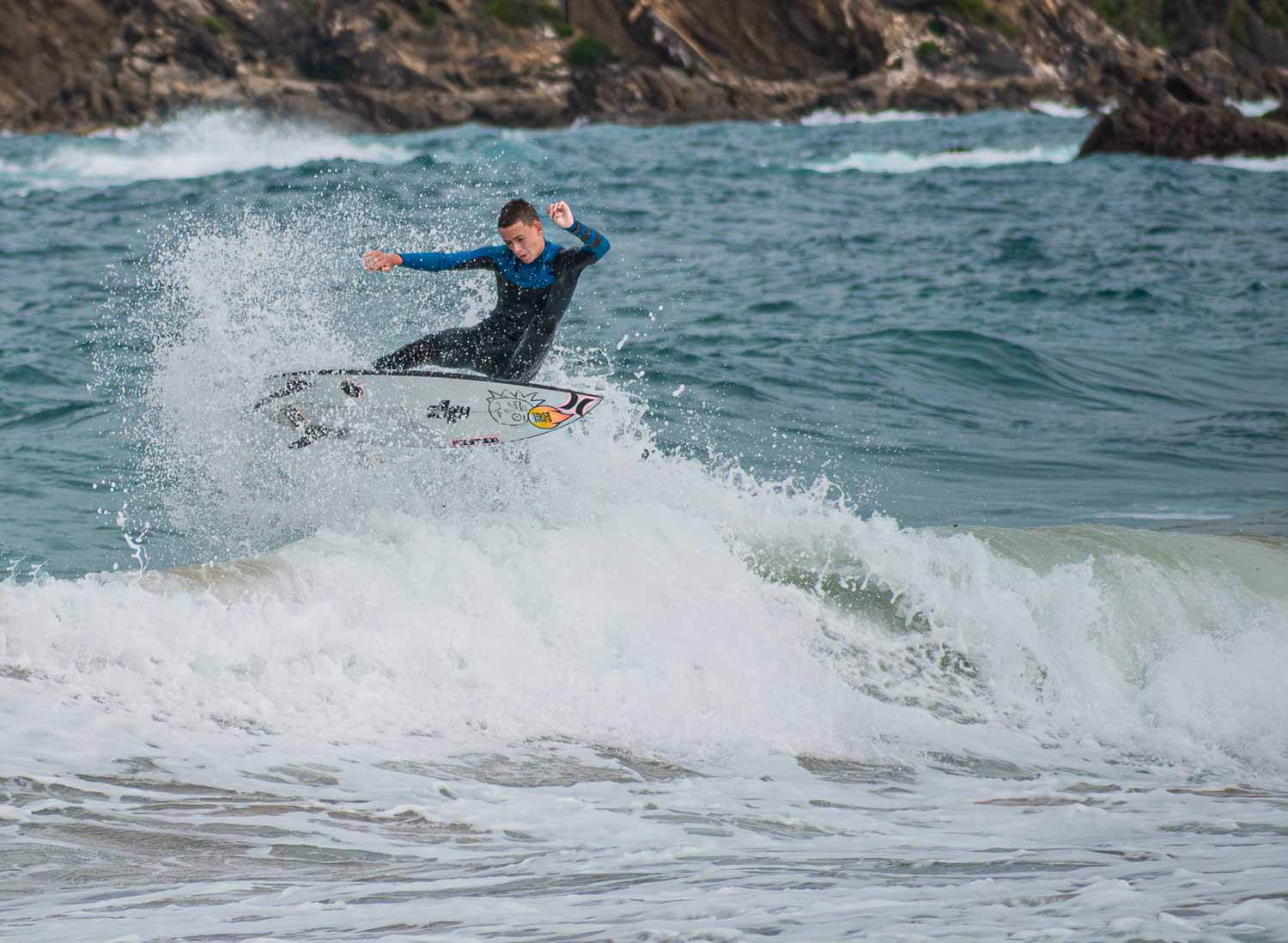
It’s not only the waves and the thrill of the ride. It’s also the water washing the day away. And the company, the sense of community while waiting for a wave. What could be a better place to hang out than sitting on a board in the soothing lulling liquid swell. This is a sport that encourages unwinding in an environment that decreases stress and relaxes the muscles. It’s a place where tensions are not just eased, but disappear as if by magic, disappear into the nothingness that they arrived from. Here with your mates, bobbing on the water waiting for a wave, all is forgotten, all is well. All the rough edges of life are smoothed over.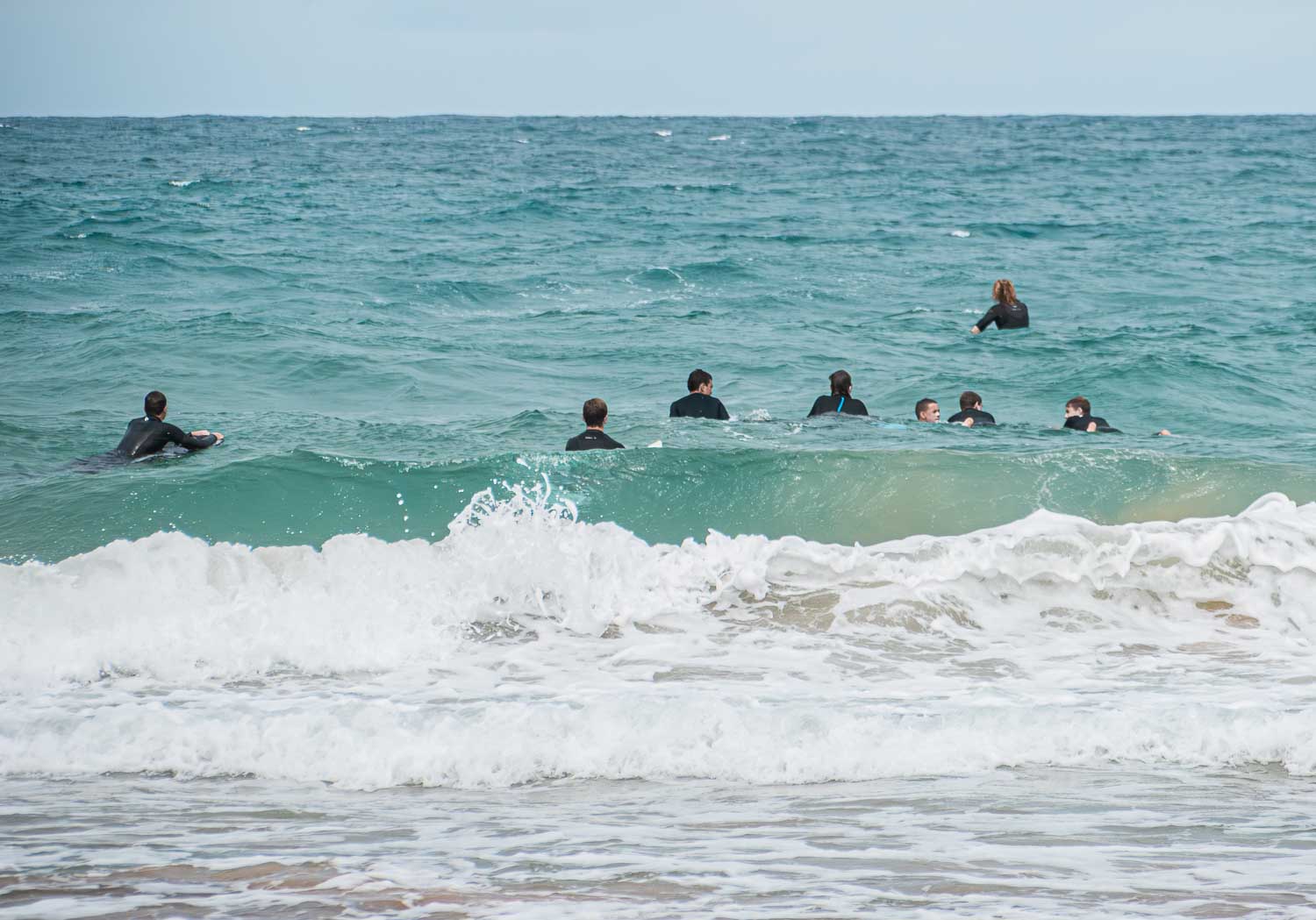
Surfing soothes me. It’s always been a kind of Zen experience for me. The ocean is so magnificent, peaceful, and awesome. The rest of the world disappears for me when I’m on a wave. Paul Walker, American actor and recreational surfer.
Conventional wisdom has it that surfing began in Hawaii, and it is true that a Hawaiian, Olympic gold medalist in swimming, Duke Kahanamoku, came to Sydney in 1914 and introduced the locals to riding the waves on a board. This introduction to surfing in Australia really should be not much more than a Facebook meme, and instead it became a colonial re-writing of Australian history. Not surprisingly white Australians were already riding belly boards, and certainly a small few were riding surf boards prior to this. And long before James Cook mapped the east coast of the continent in the 1700s, Indigenous Australians had been riding waves for millennia. Having said that, at the time, board riding was known (by the “European” world) only in Hawaii, and Kahanamoku did give demonstrations of board riding in Sydney, which was without question a seminal moment in popularizing the sport.
It is also not surprising that surfing began long before the 1900s or even the 1800s, in other places in the world. Distilling surfing down to the activity of catching a wave and riding it to the shore, three to five thousand years ago cultures in ancient Peru fished in kayak-like watercraft made from reeds that the fishermen surfed back to shore. West Africans and western Central Africans independently developed the skill of surfing. Surfing on belly boards is thought to have originated in Polynesia as long ago as 400 CE and from there migrated to the Hawaiian Islands where stand-up surfing was thought to have been invented. However there are references to surfing in Samoa and Tonga pre-dating the practice of surfing by Hawaiians and eastern Polynesians by over a thousand years. Where there are waves people will play.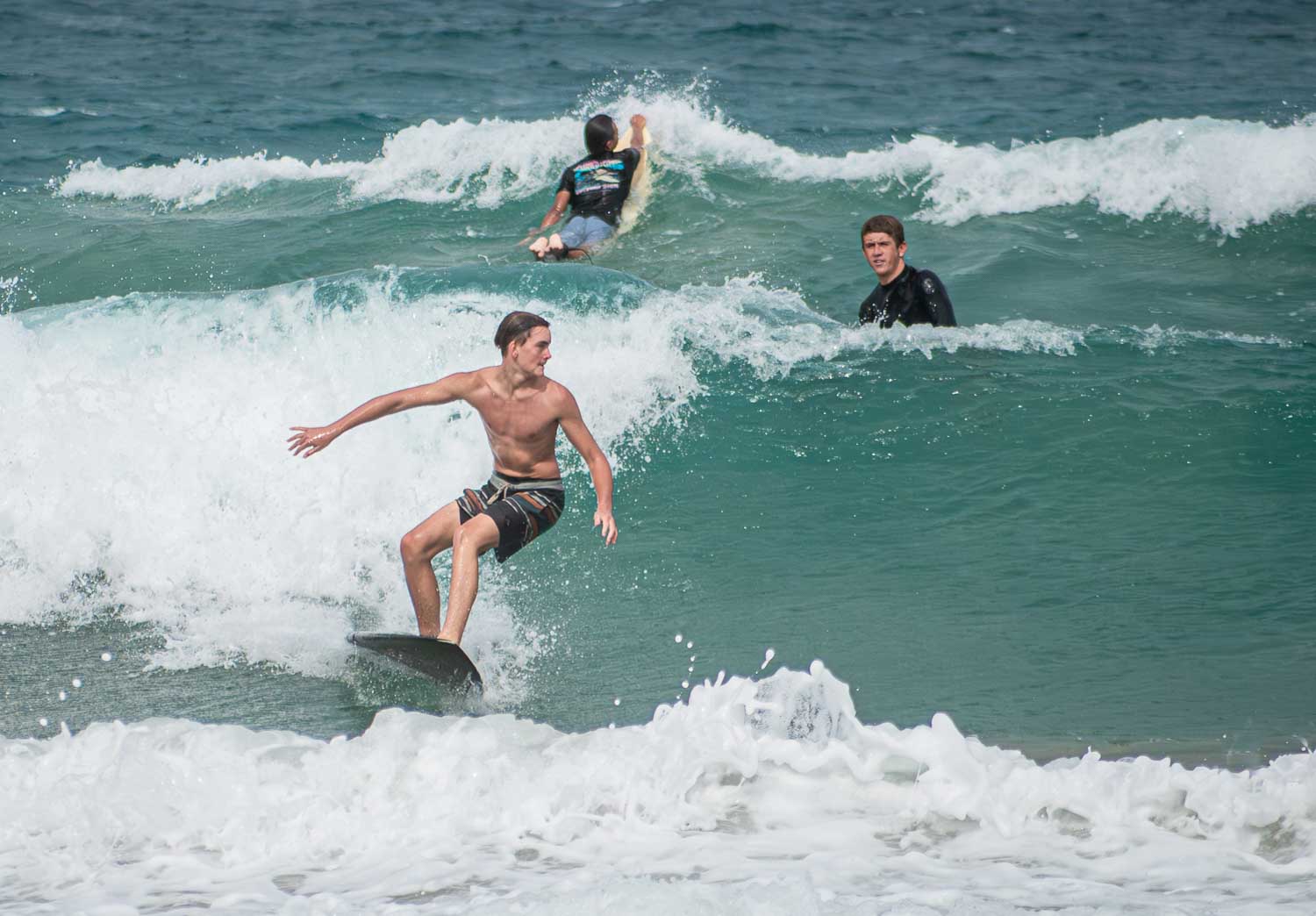

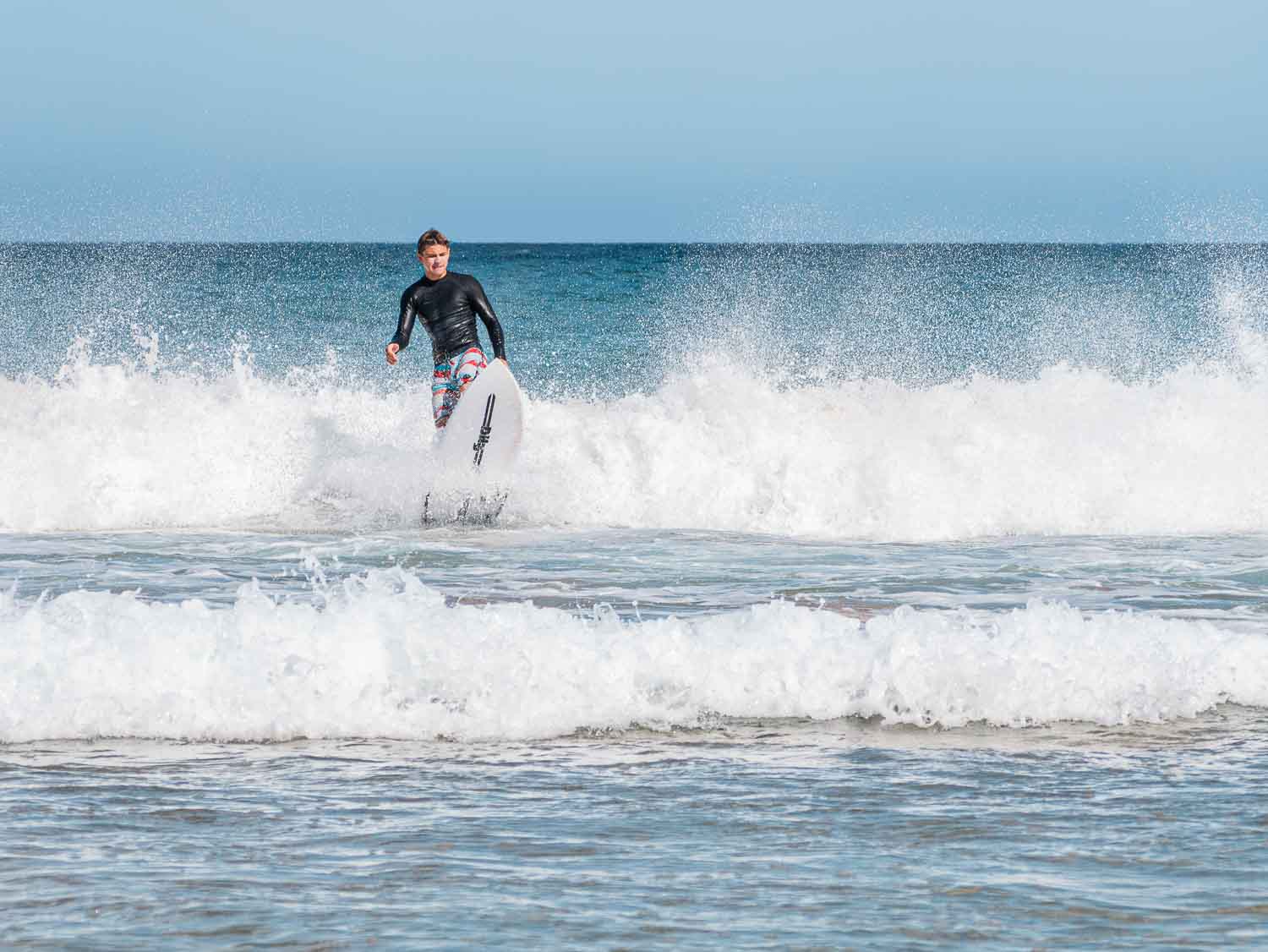
Surfing is attitude dancing. Gerry Lopez, American surfer, journalist and actor.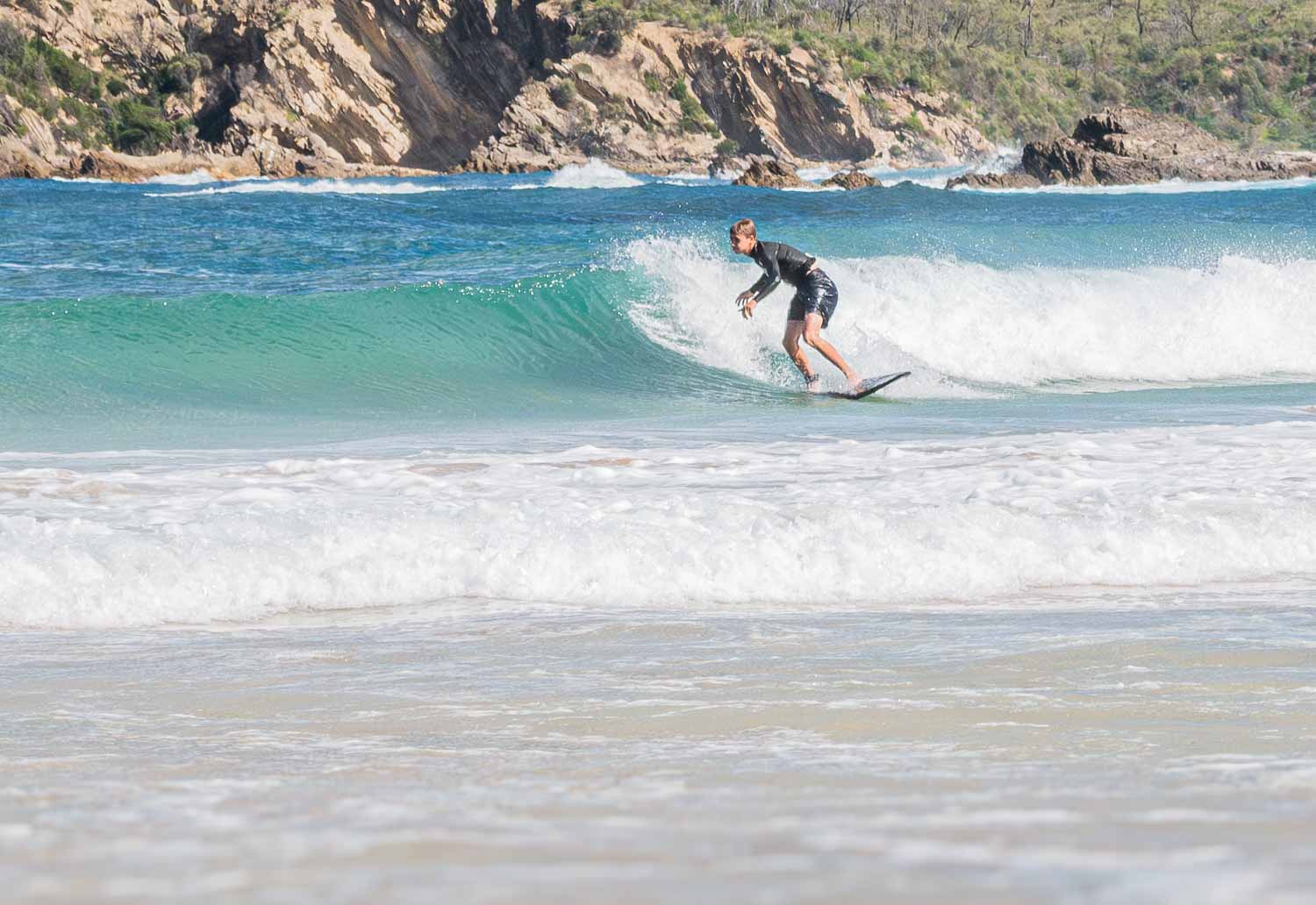
Like any skilled activity surfing takes practice. A feel for the swell, a feel for the wave, an ability to read what it’s doing, where it’s going. There are those who know, those who have learned how to succumb and become part of the wave; not something separate but subsumed enough to have become one with the wave and the board, one united being. It’s a kind of surrender I think, and magic when it happens. I’ve seen people ride horses like this – where it’s clear that there’s no separation, that horse and rider are one being. It’s the same with the wave and the board. Surfing’s about becoming part of the wave.
I am a much happier person if I get to go surfing. As hippy-cosmic as this sounds, I feel whole in the water and not whole out of the water. Mark Richards, Australian four-time world champion.
There’s no secret to balance, you just have to feel the waves. Frank Herbert, author of the Dune chronicles.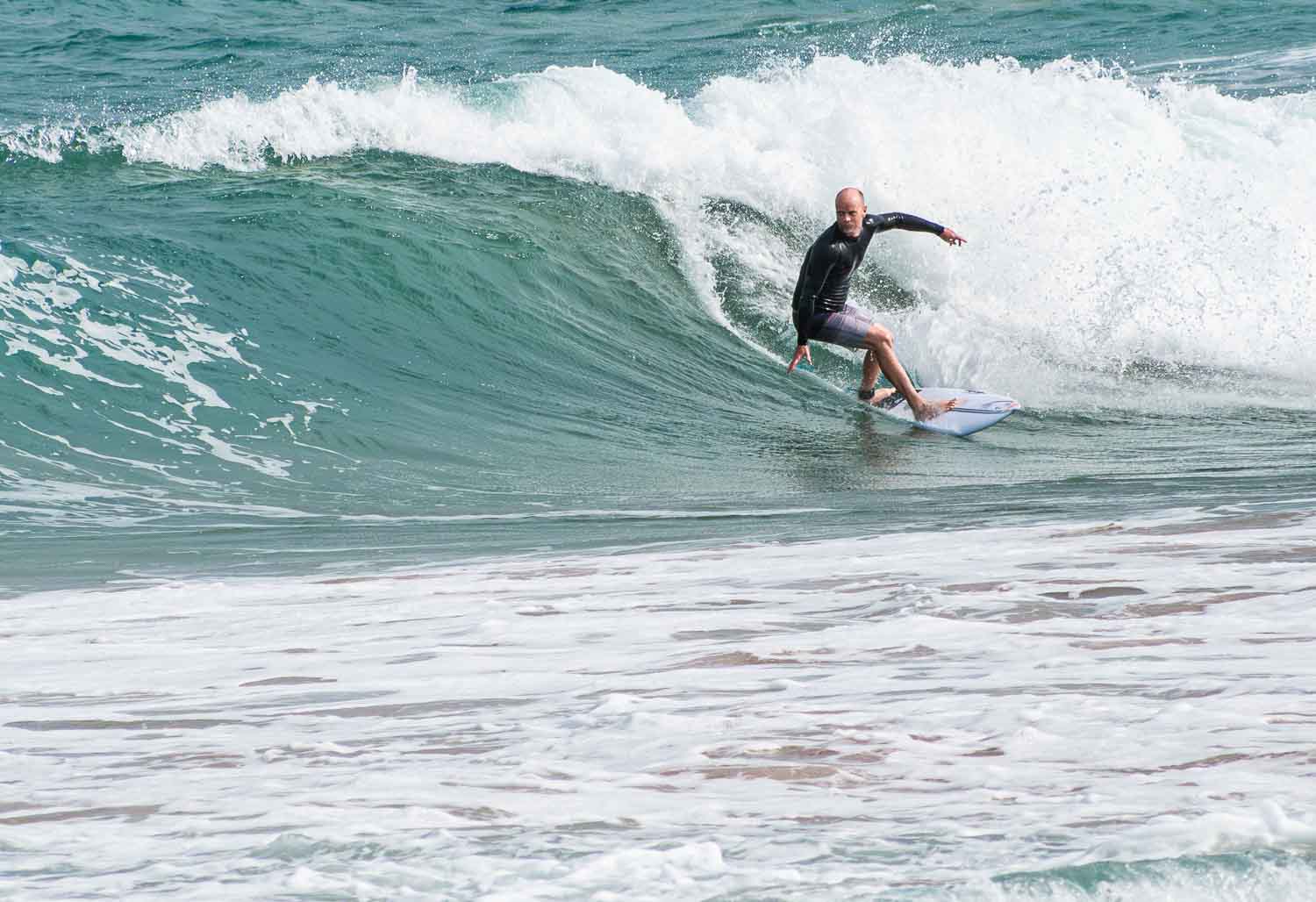
Sometimes I see this unity, this grace, this focused attention as the wave surges forward, and I’m excited for the rider.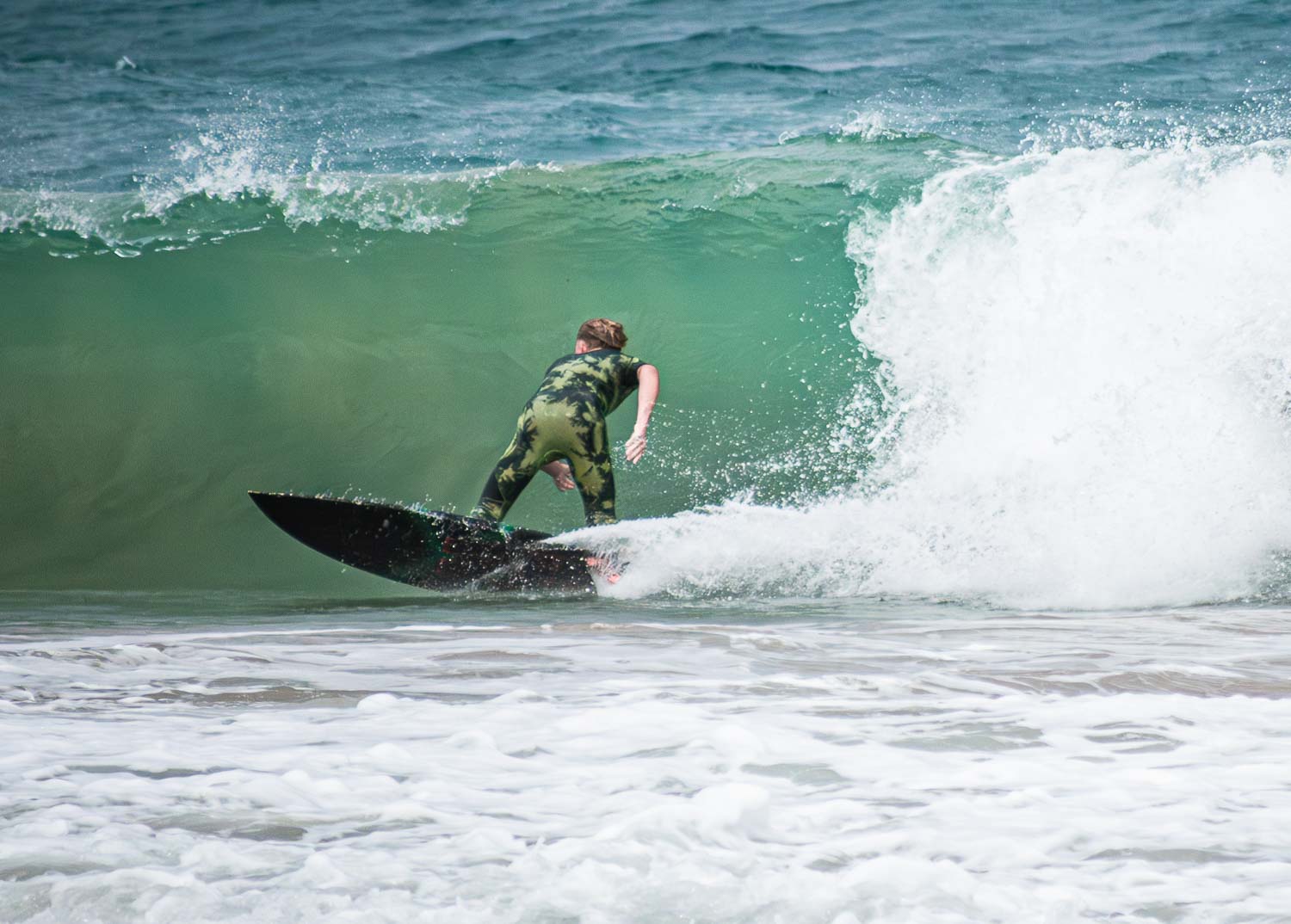
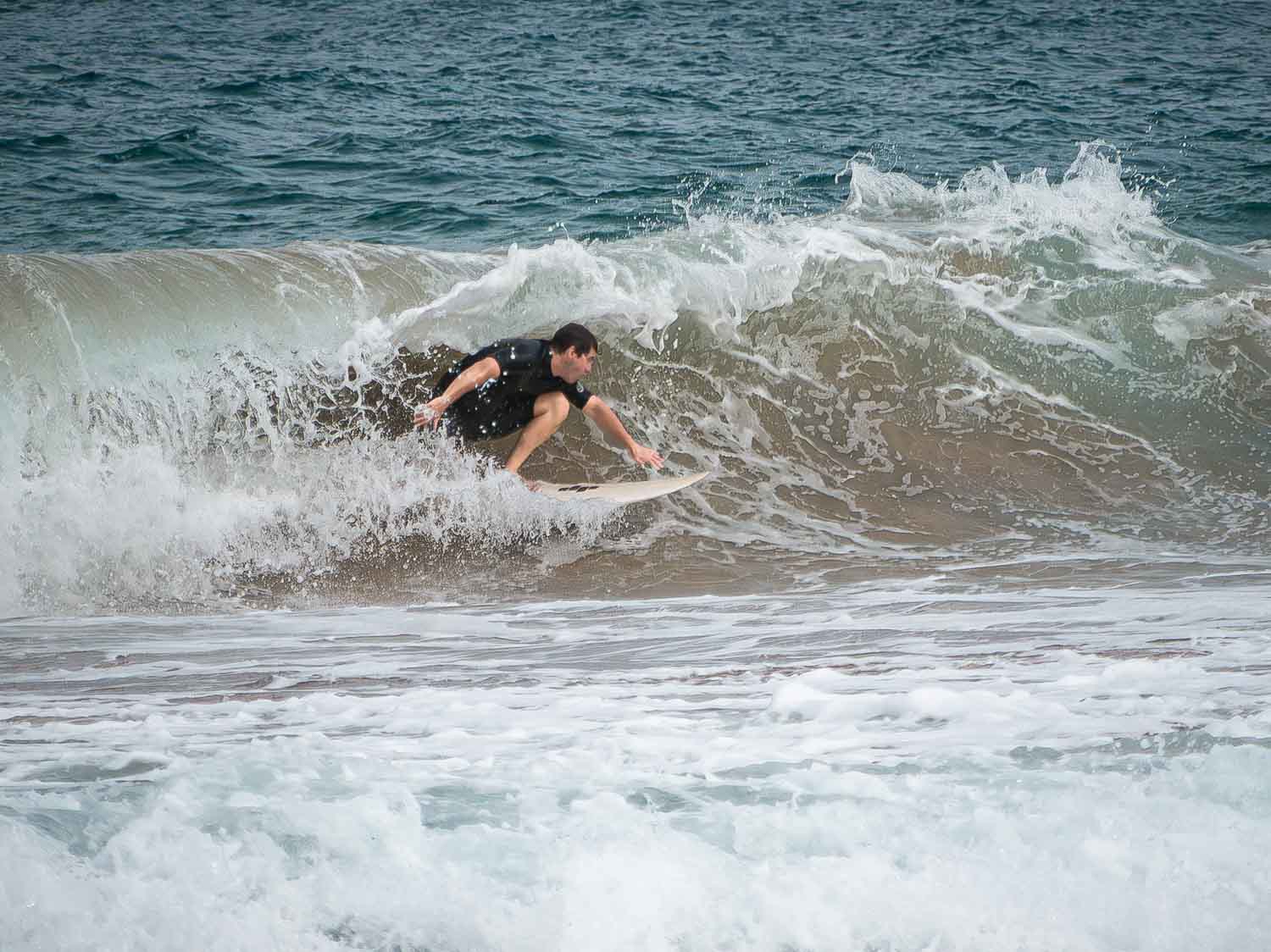
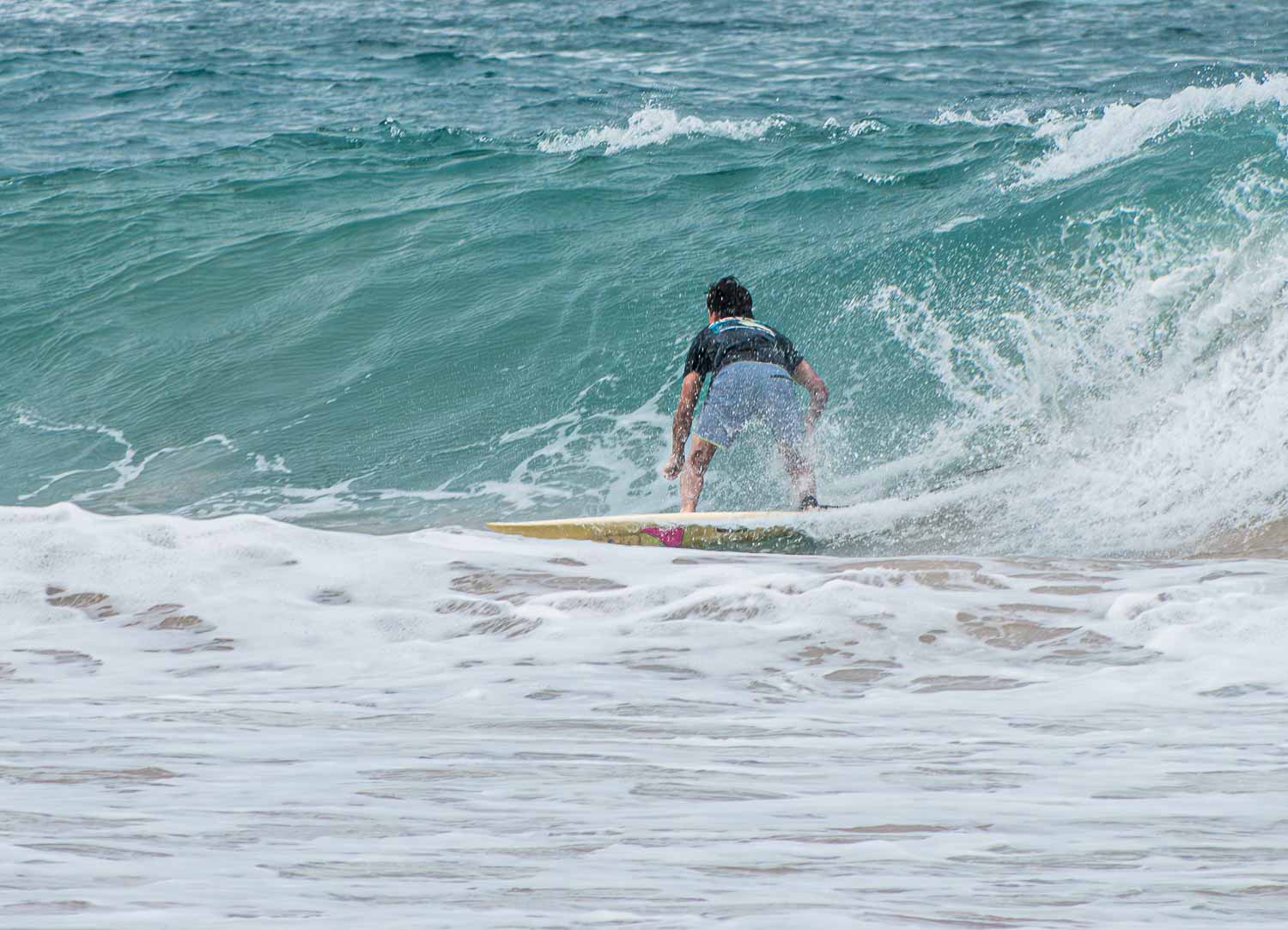
Just as often I see the wave have its way, hurling bodies with a giant laugh. What? You thought you could own me?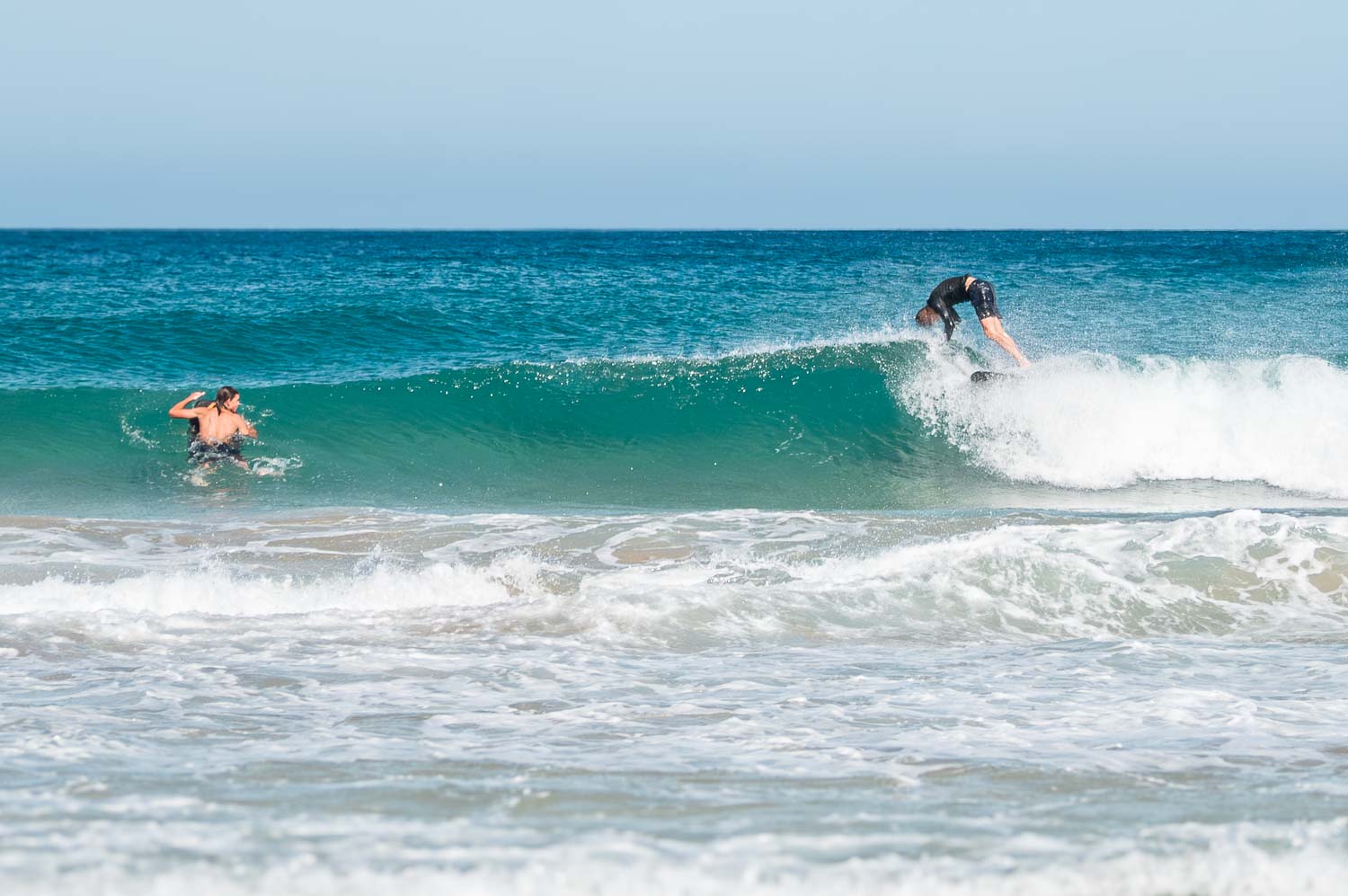


Wiping out is an under-appreciated skill. Laird Hamilton
If you don’t understand the wave, you can’t respect it. And if you don’t have respect, it’s only a matter of time before the ocean teaches you to get some. Laird Hamilton
Surfing is such an amazing concept. You’re taking on Nature with a little stick and saying, ‘I’m gonna ride you!’ And a lot of times, Nature says, ‘No, you’re not!’ and crashes you to the bottom. Jolene Blalock, American actor, model, and surfer.
A memory: I’m fourteen or fifteen. A beach holiday somewhere on Canberra’s coast. Some friends have come down from Canberra, one with his board, and he encourages me to have a go. I paddle out, over and over, until at last not only do I catch a wave, I actually stand and ride it in. It’s a moment of pure exhilaration. Look at me! I’m surfing! This is the only time I’ve done it, though I’ve barrelled in on a boogie board a few times.
In the 1950s, surfing was so popular that the Australian government enacted laws in an attempt to curb surfing during working hours. In typical Australian style, with a big FU to the government, the laws had to be repealed after they resulted in even more people surfing than usual. Of course there were. Beach culture had already asserted itself by then, soon to grow into the unifying national symbol that it is today.
In a nation surrounded by coastline and world class waves it’s no surprise that beach life and surfing are a huge part of the Australian identity. With the Pacific Ocean looming out on one side, the Indian Ocean smashing into the other side, and the wild Southern Ocean below, it was pretty much inevitable that surfing would grow from a recreational activity to a mainstream sport with millions of participants, especially in a country where the seasons hardly matter; there’s always something crashing into its beaches. The development of a surf culture, with surfing as a way of life, was bound to happen, and today there are approximately 2.5 million recreational surfers, 107 surf schools, and over 2,000 accredited surfing coaches. More than 1 in 10 Australians surf as a recreational activity, and it should be no surprise that the country has produced multiple world champions.
It’s impossible to imagine what Australia would be like without surfing. Tim Winton, Australian author and surfer
Some of the surfers I watch appear as if they were born in the water, born to ride the waves. Over and over they paddle out, straight into the wall of water,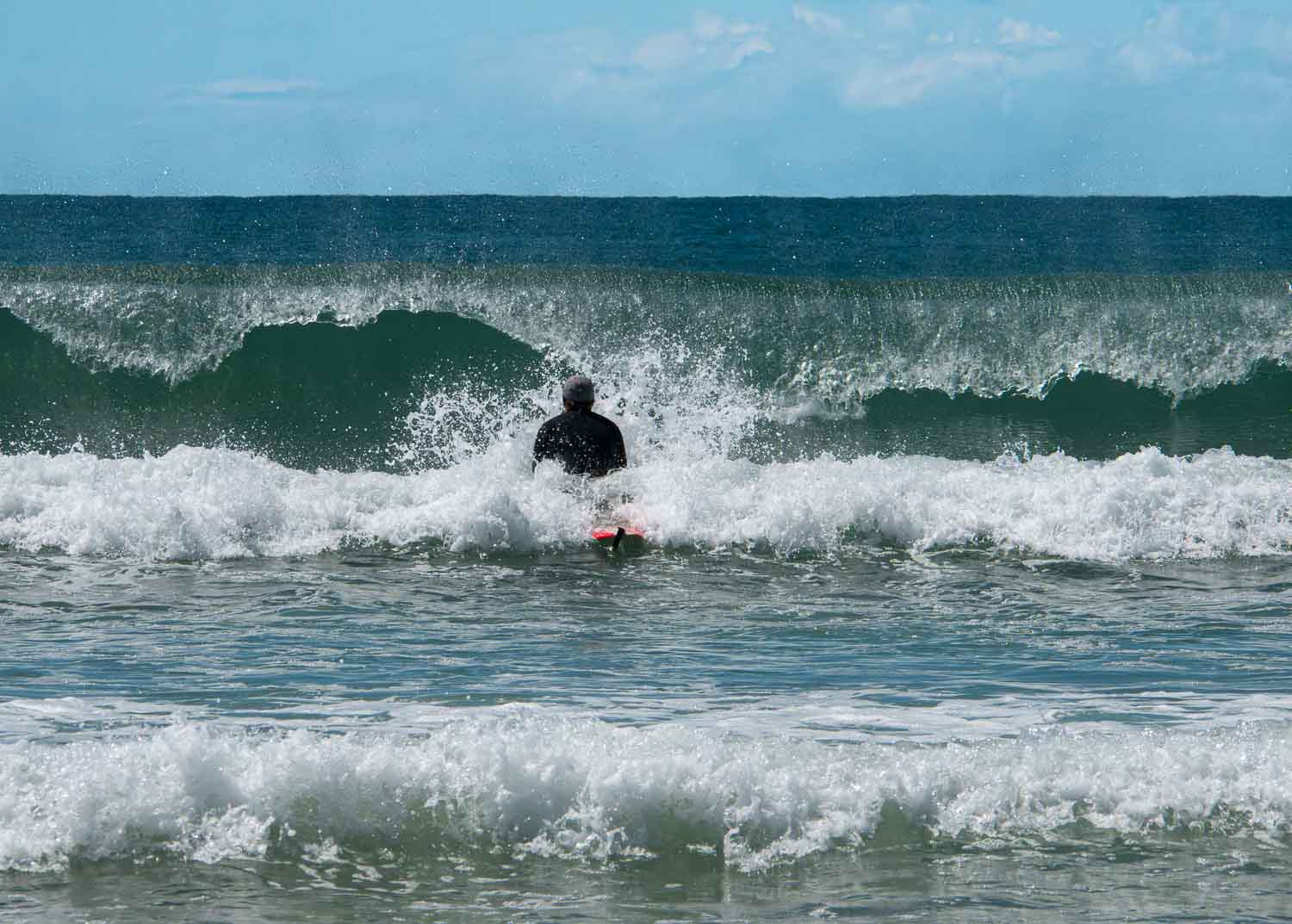
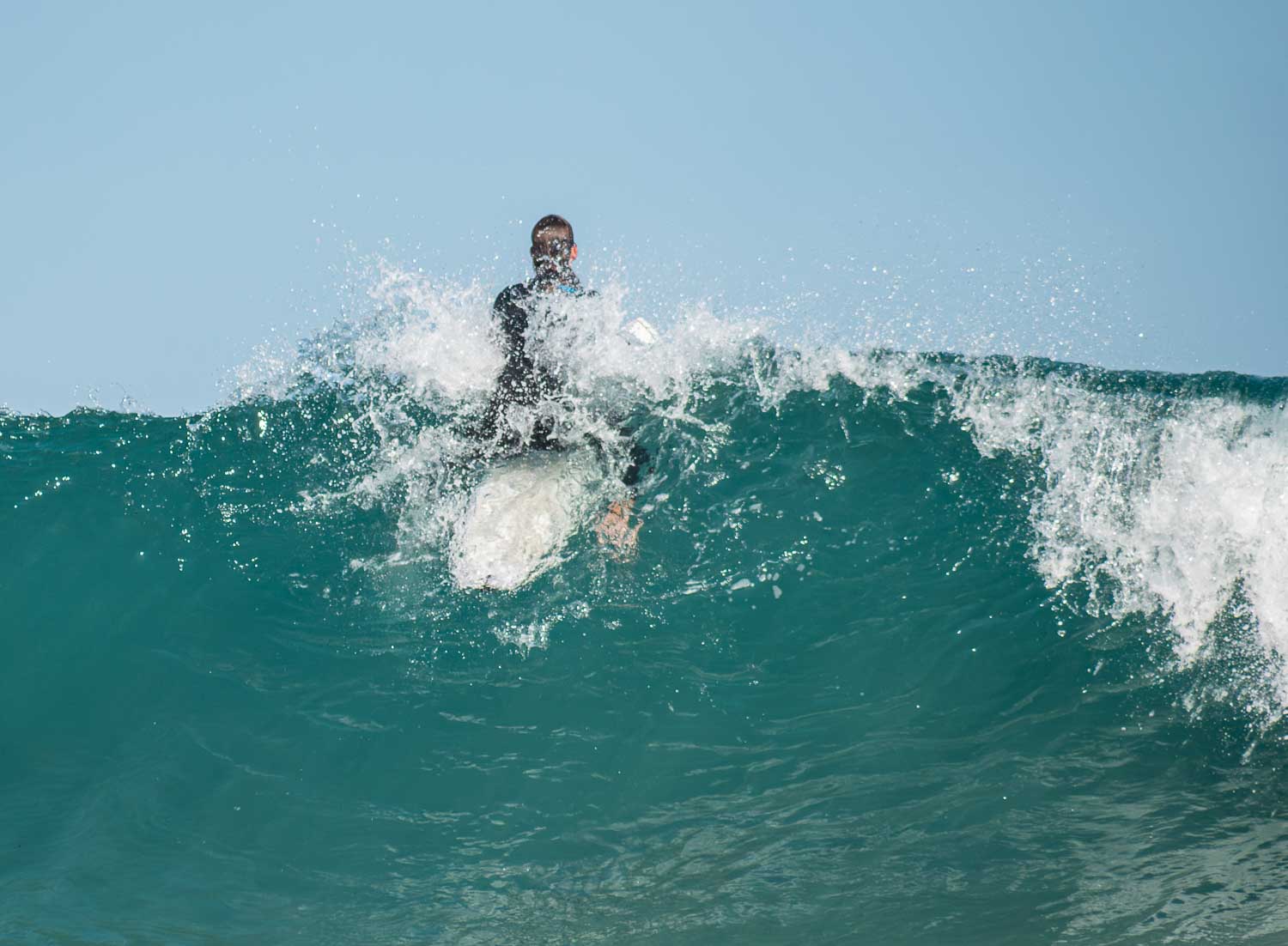
catch a wave with their boards and ride it in. They are not human at all it seems, but sea creatures, at home and full of joy in the place they love best.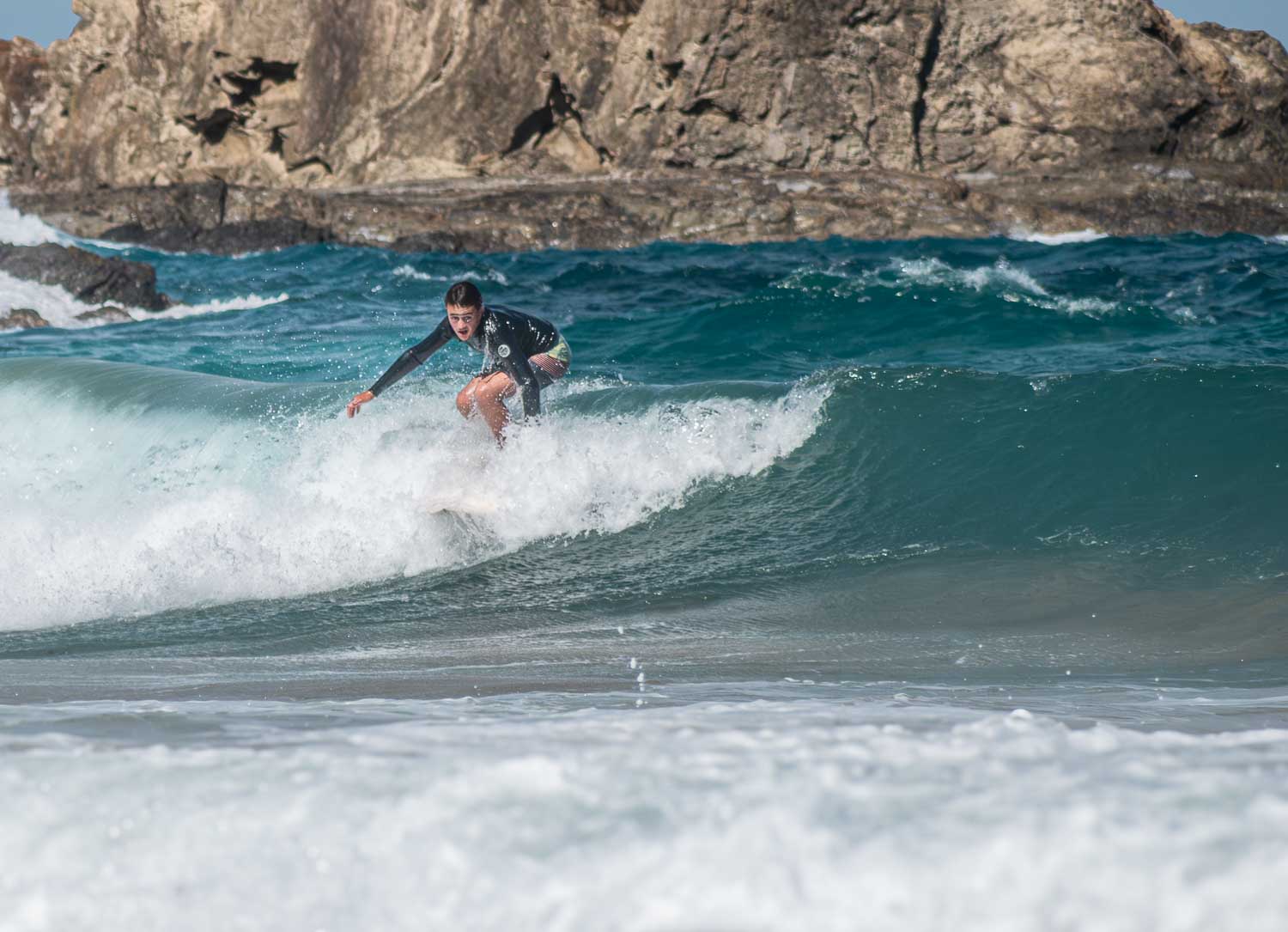

Being spat out of one of those giant, roaring Hawaiian tubes is the most amazing sensation I’ve ever experienced in my life. It’s joy, fear, and accomplishment all rolled into one experience. Shaun Tomson, South African professional surfer and world champion.
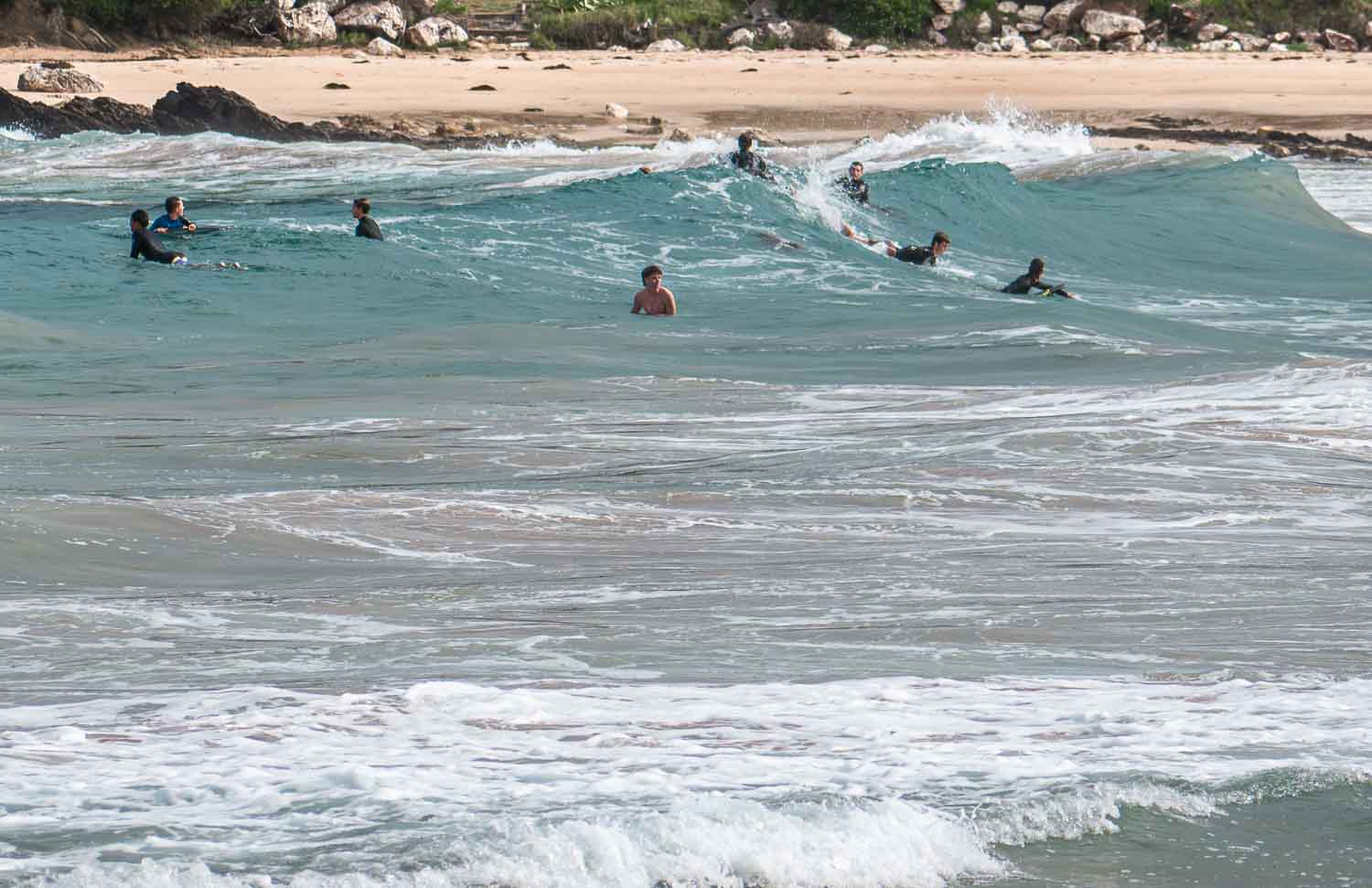
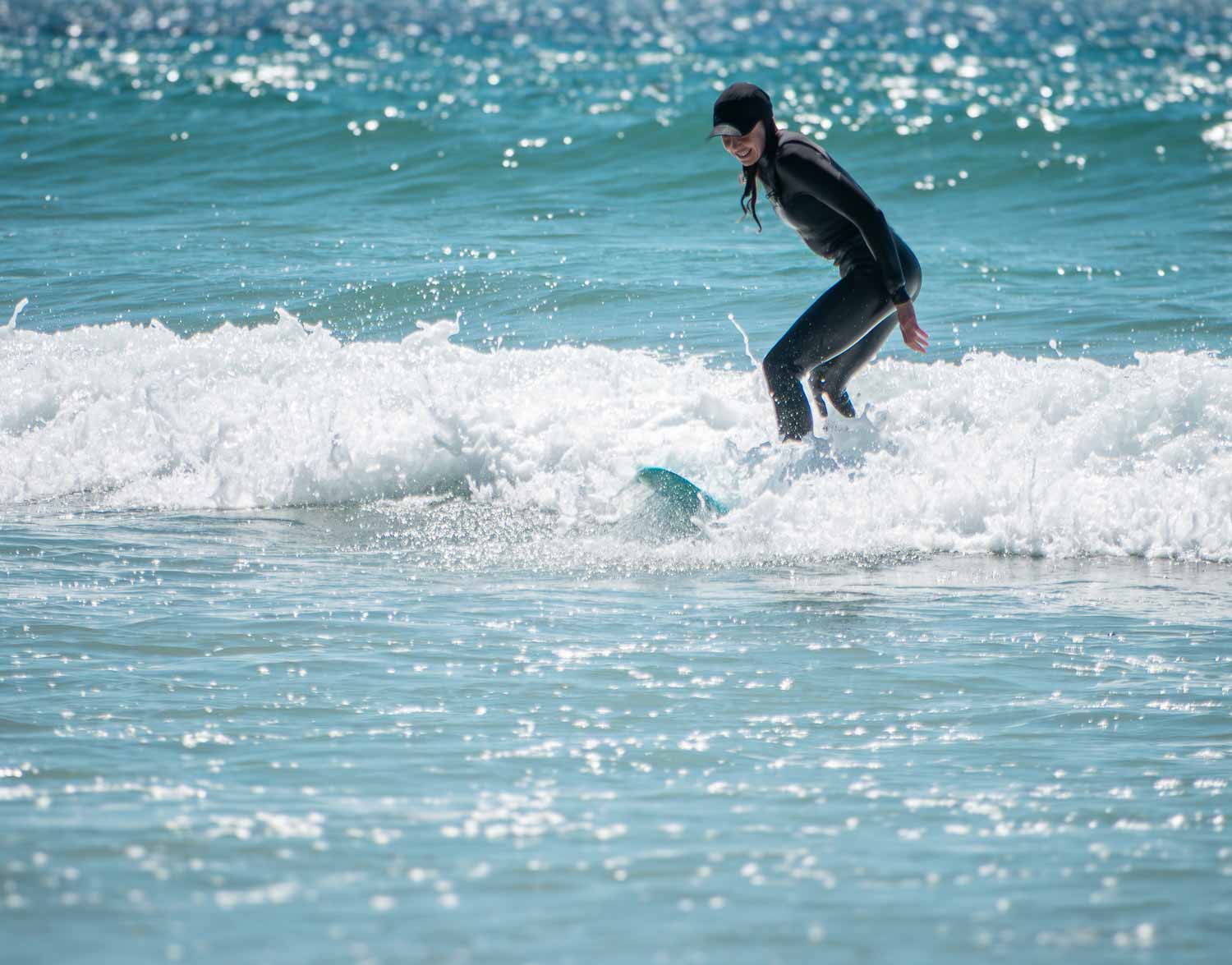
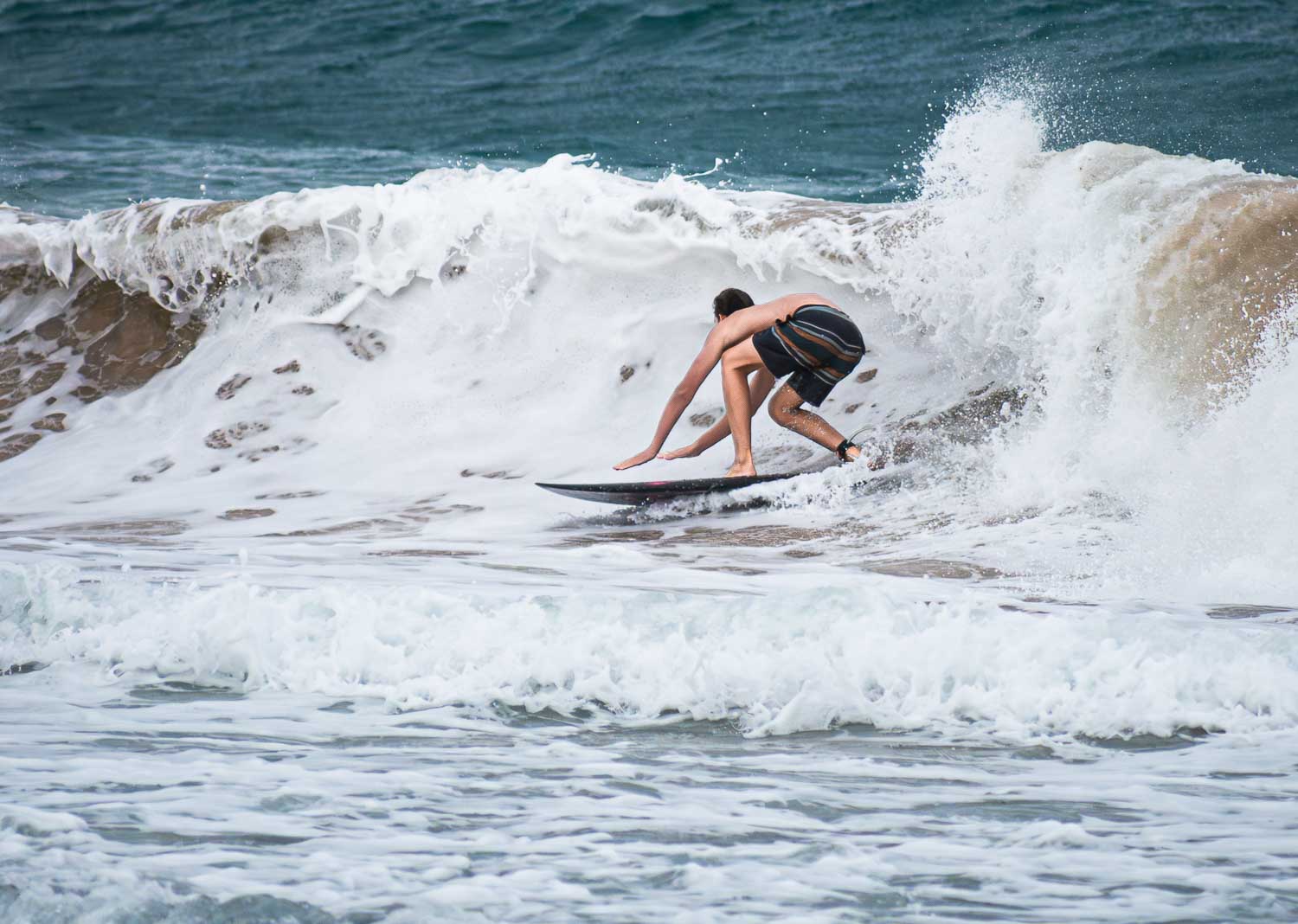
At the same time, apparently there are plenty of ways to get dumped.

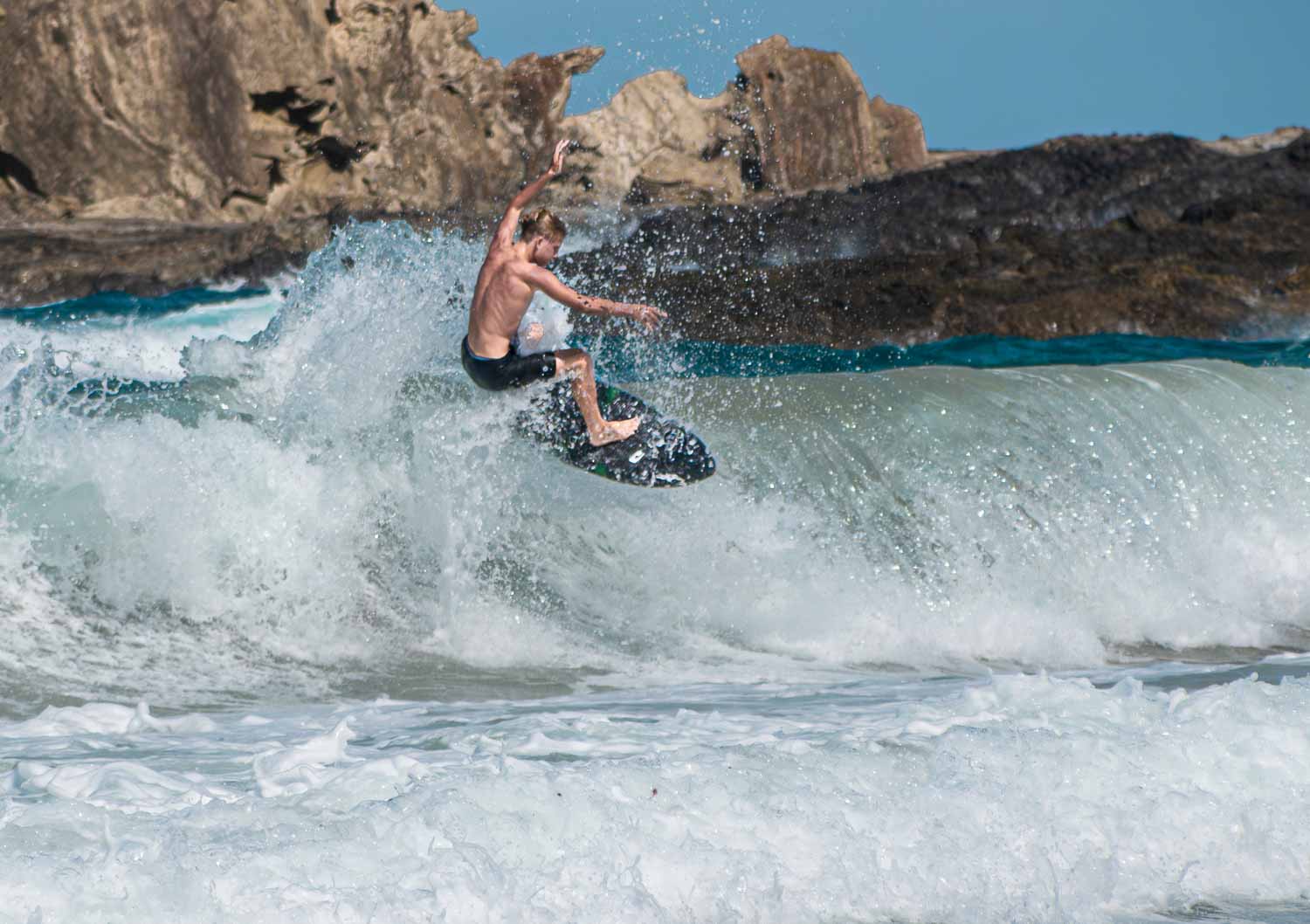
None of the people we watch are world class surfers, and the waves are nothing like the ones you see in the big surfing competitions, huge waves, waves that dwarf a skyscraper. This is not that. This is true Aussie surf culture, where everyone gets to have a go, where everyone is equal, and the only way to learn is practice.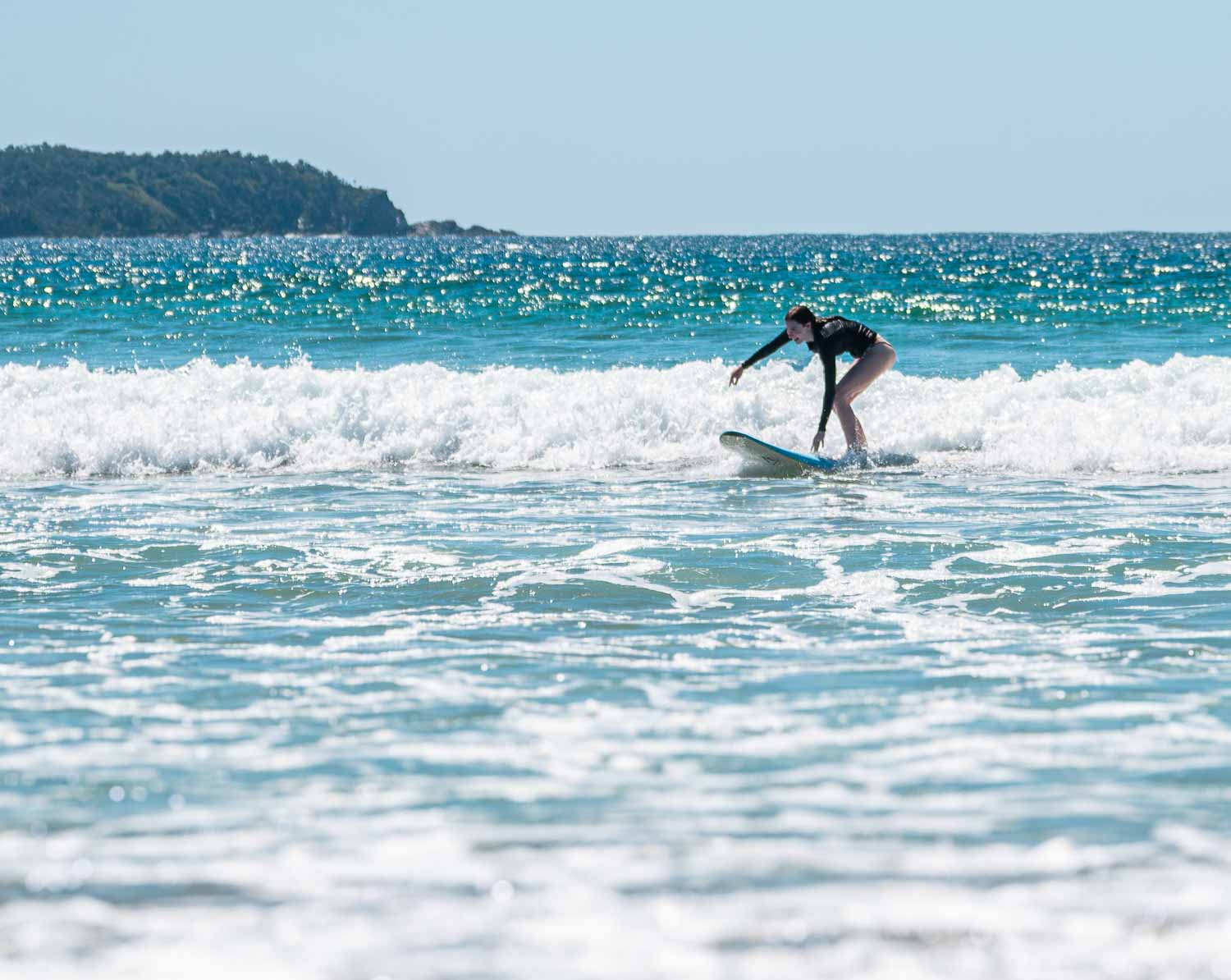
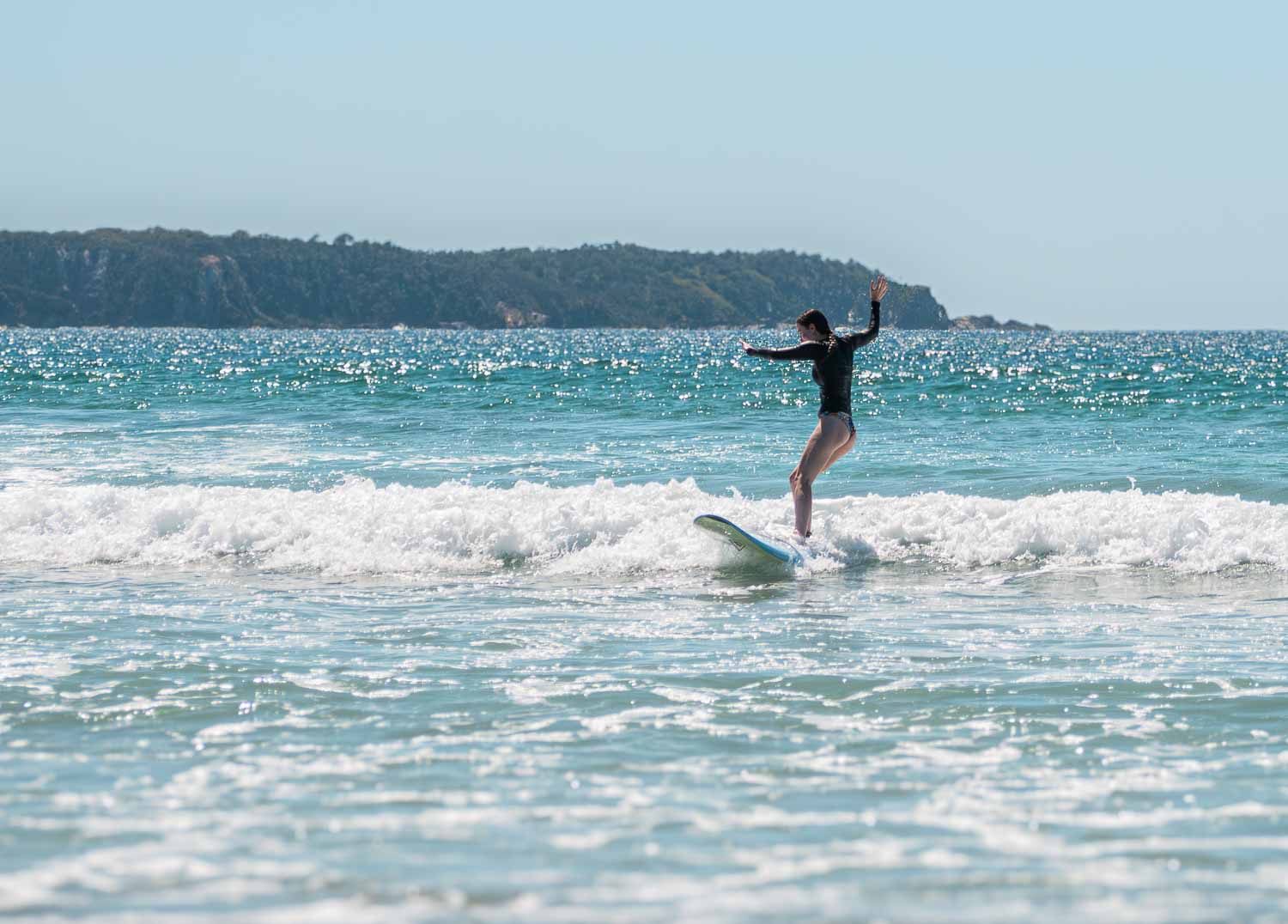
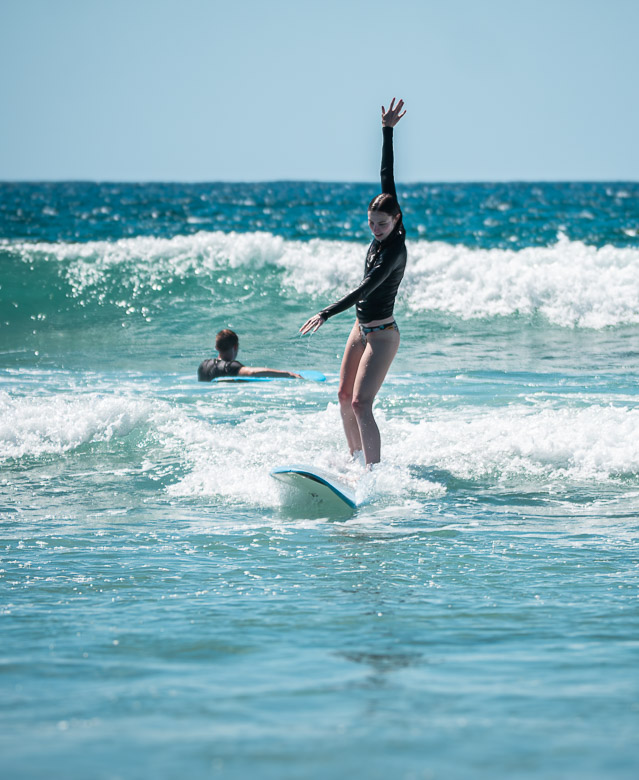
And then you get to join the club, further out with the others, bobbing on the water waiting for a wave that will bring you right back into the shore, hopefully with a smidgen of grace. Either way you’re water-filled with salt and sand and good feelings and freedom.
There is not one right way to ride a wave. Jamie O’Brien, American professional surfer.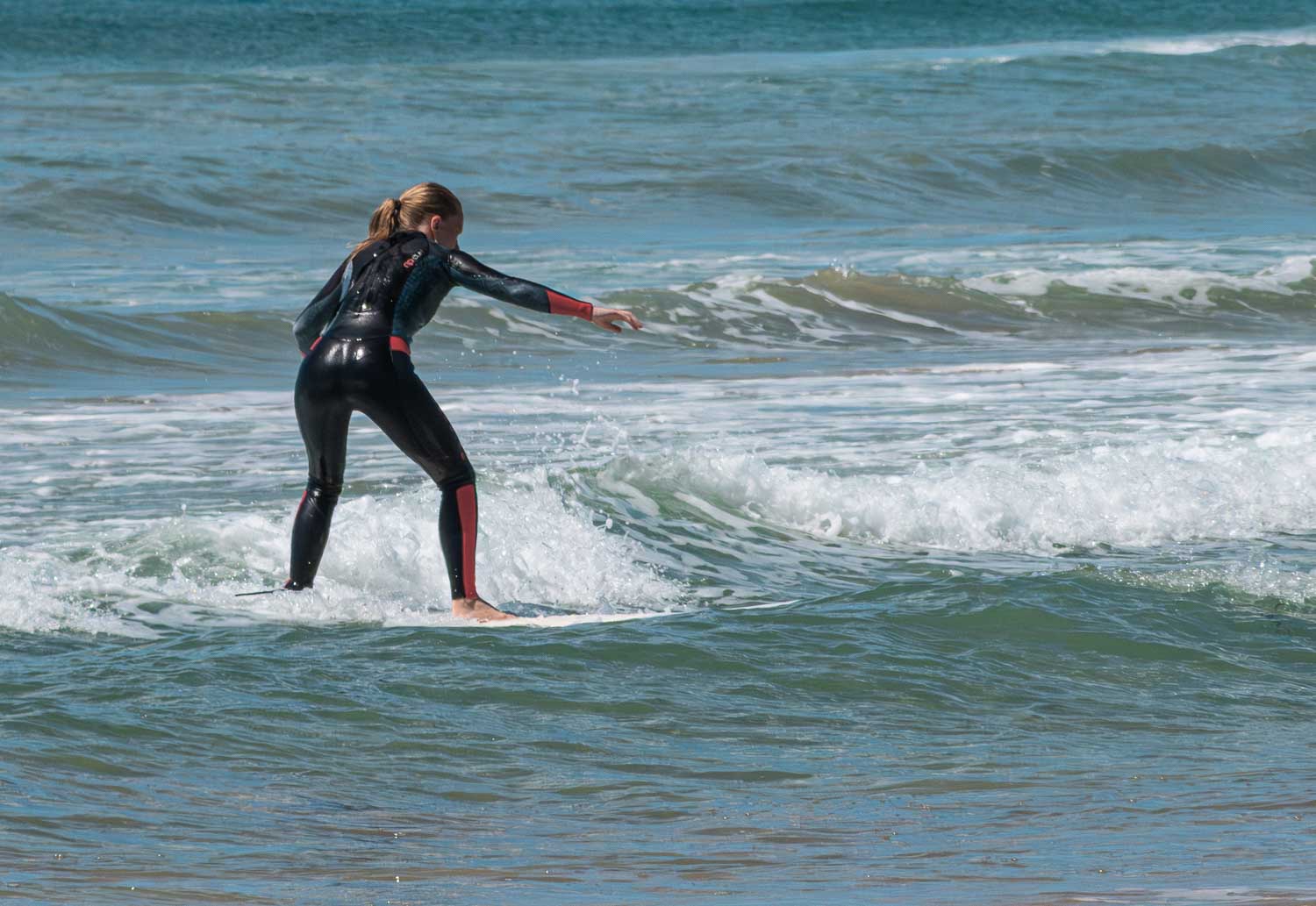
Sometimes in the morning, when it’s a good surf, I go out there, and I don’t feel like it’s a bad world. Kary Mullis, Nobel Prize winner, eccentric, and surfer.
Nobody gets to the end of their life and wishes they surfed less. Bradley Hook, New Zealand author and surfer.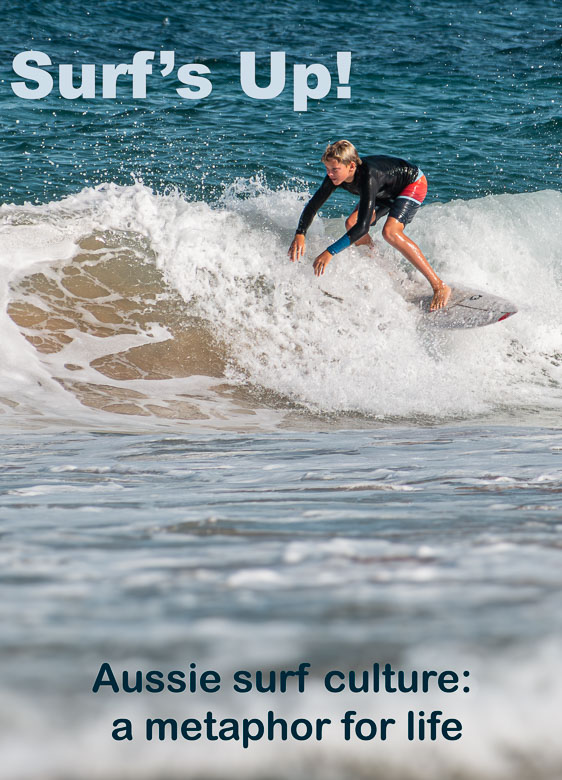
Malua Bay, and Broulee Beach are situated on what was and always will be Aboriginal land; the land of the Yuin Nation.
Next post: A cruise on the Clyde River – Batemans Bay to Nelligen.
All words and images by Alison Louise Armstrong unless otherwise noted
© Alison Louise Armstrong and Adventures in Wonderland – a pilgrimage of the heart, 2010-2024.

 Adventures in Wonderland
Love that quote from Bradley Hook. Some amazing action shots, Alison. The Australian Dream!
LikeLiked by 2 people
Thanks so much Jo. It was so much fun photographing the surfers, trying to catch the right moment, and they were so entertaining. Definitely the Australian dream.
Bradley Hook is quite the motivational guru I’ve discovered, and I too love that quote.
Alison
LikeLiked by 1 person
Love that unity between human and water which you captured so well, Alison. Zen indeed! And thanks for the historic lesson.
LikeLiked by 1 person
Thanks Astrid. They were all really amazing, some really good and some just beginners, but you could easily see the joy. Like frolicking puppies.
I hope you are well
Alison xo
LikeLike
This is such a brilliant post, Alison. Here at Our Crossings surfing is a huge part of our lives, we’ve been paddling in the Atlantic Ocean for the past decade, although I only got my first board a few years ago. When Ericeira was little, we travelled to Peniche, Portugal to watch the World Surf League Championship. While we were disappointed about Kelly Slater dropping out and not making an appearance, we had the pleasure of meeting Mick Fanning and taking a photo with him!
When it comes to surf quotes, I love how Jaimal Yogis writes in A Saltwater Buddha – ”Surfing is kind of a good metaphor for the rest of life. The extremely good stuff – chocolate and great sex and weddings and hilarious jokes – fills a minute portion of an adult lifespan. The rest of life is the paddling: work, paying bills, flossing, getting sick, dying.” Thanks for sharing, and have a good day 🙂 Aiva xx
LikeLiked by 1 person
Wow, Aiva, I admit I don’t really know much about you and your family, but would never have pegged you guys as surfers! What a revelation! Okay, I had to google both Slater and Fanning. Slater has won the world title 11 times!! 😳😳😳 Wow.
Fanning seems like a pretty cool dude too. He’s won a few times too I think.
I *love* Jaimal Yogis quote – it’s so perfect. Wish I’d found it to include in the post.
Thanks so much Aiva – glad you enjoyed it! It was so much fun watching the surfers, even on these tiny waves.
Alison 🤗
LikeLike
I’m not a surfer, but I love watching them. The good ones do seem to be in tune with the waves, but so often the water shows who is boss. Great actions shots. Maggie
LikeLiked by 1 person
Thanks so much Maggie. I love photographing at the beach – people are so free there, and of course all the surfers got my attention.
I think any surfer who’s been doing it for a bit figures out who’s boss, and it ain’t them.
Alison
LikeLiked by 1 person
Thanks for including the quotes from surfers, they really speak to their love of the sport. And your descriptions are almost poetic, describing becoming one with the wave and the board. Great post.
LikeLiked by 1 person
Thank you so much Ruth. Another post where I learned much about a sport that I only ever tried once as a teenager. I agree about the quotes – losing an arm to a shark and continuing! That is passion. I can’t even imagine. I doubt I’d ever get in the water again.
Sometimes when I’m writing I try to imagine myself in the place of the person/people I’m writing about – to try to get a feel for it. I think you’d have to somehow learn to read the wave and then let it have it’s way with you; and you get what you get depending how well you read it.
Alison
LikeLiked by 1 person
I tried it once at the Jersey shore (summers there as a kid) but had difficulty staying upright! Did enjoy the boogie boarding though. I can see that it can be addictive and rewarding as one builds skill and can read those waves and go with it.
LikeLiked by 1 person
A great post on surfing, Alison, along with photos. I found it both fun and interesting. One thing is for sure, it is a culture unto itself. –Curt
LikeLiked by 1 person
Thanks Curt, I’m glad you enjoyed it. I was originally just going to do a photo essay, but then decided I wanted to delve into it a little deeper. It’s such a huge sport in Oz, and they are so passionate about it. – Alison
LikeLiked by 1 person
“Nobody gets to the end of their life and wishes they surfed less.” – Exactly so. Since I never learned to swim, I have never surfed. But they are very fun to watch!
LikeLiked by 1 person
Instead of “surfed” you could insert whatever’s meaningful for you that brings you joy.
They are indeed fun to watch – we were entertained every time.
Alison 🤗
LikeLiked by 1 person
Great photos and interesting history lesson 🙂
LikeLiked by 2 people
Thank you so much June. It was so entertaining to watch and photograph them.
Alison
LikeLiked by 2 people