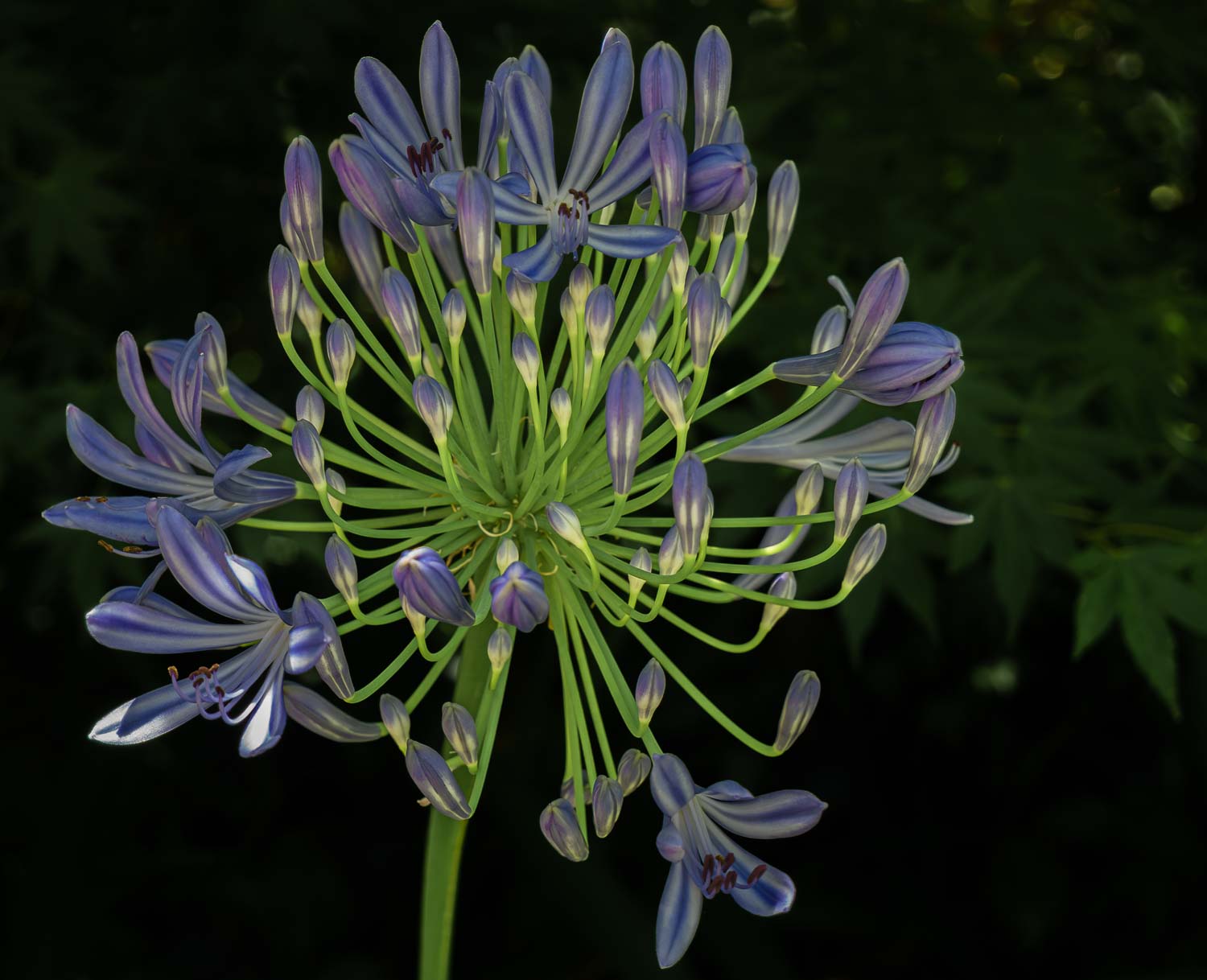
Canberra in December and January; the city is awash with agapanthus. We walk past suburban gardens and everywhere they are blooming as if there’s no tomorrow; their gaudy lilac heads rise up on long stems above the cluster of emerald leaves below. We have come from Vancouver’s blue grey winter to a world filled with colour.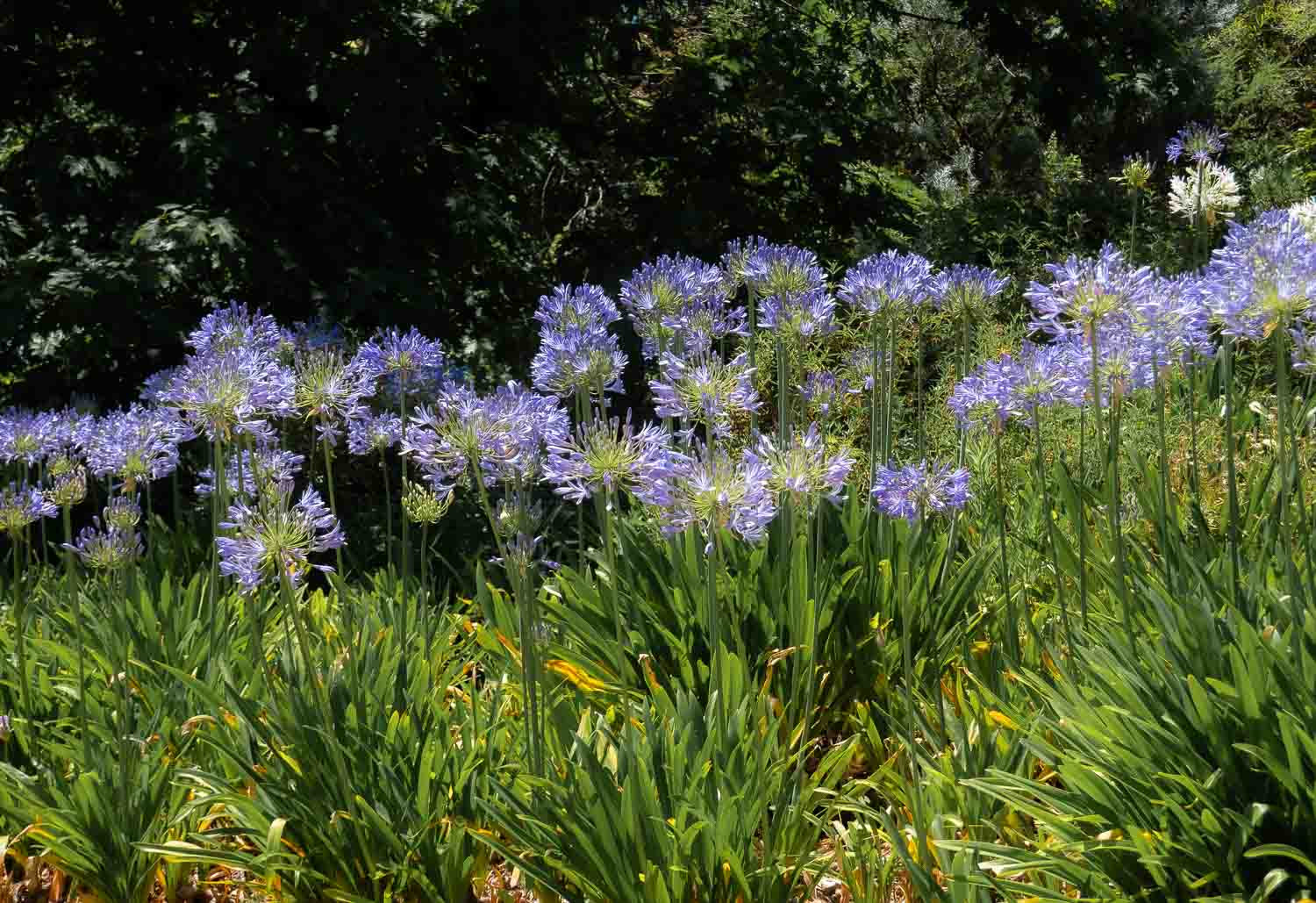
Flowers emerge Triffid-like from planters at cafes,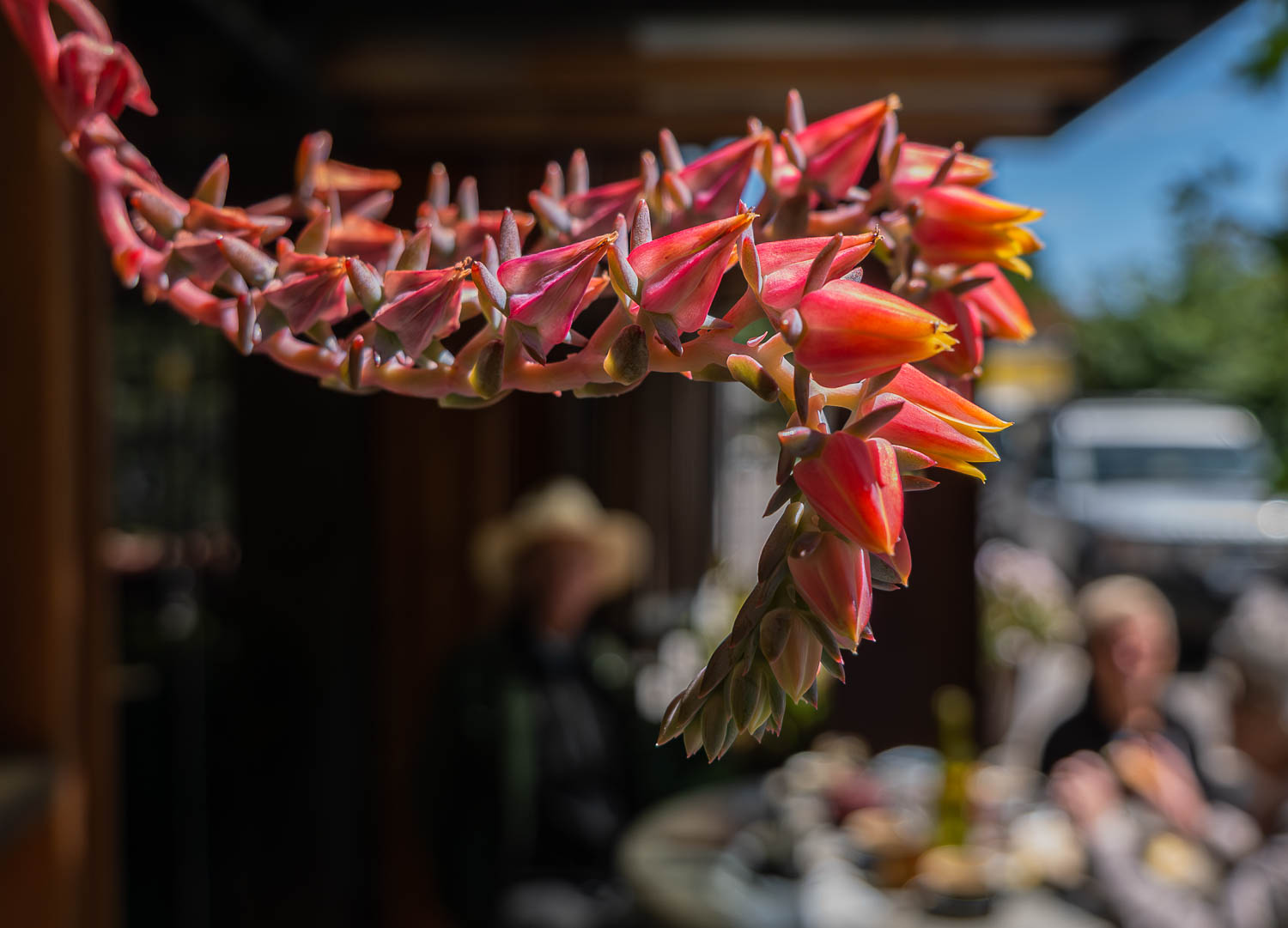
and in the Old Parliament House Gardens the roses burst forth with confident elegance. Look at me; aren’t I beautiful! Who could ever doubt a rose?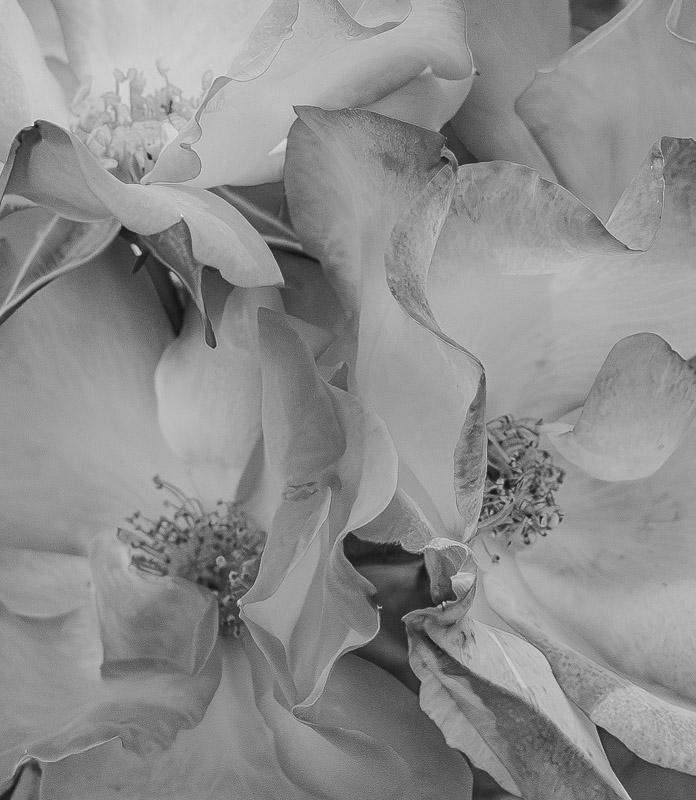
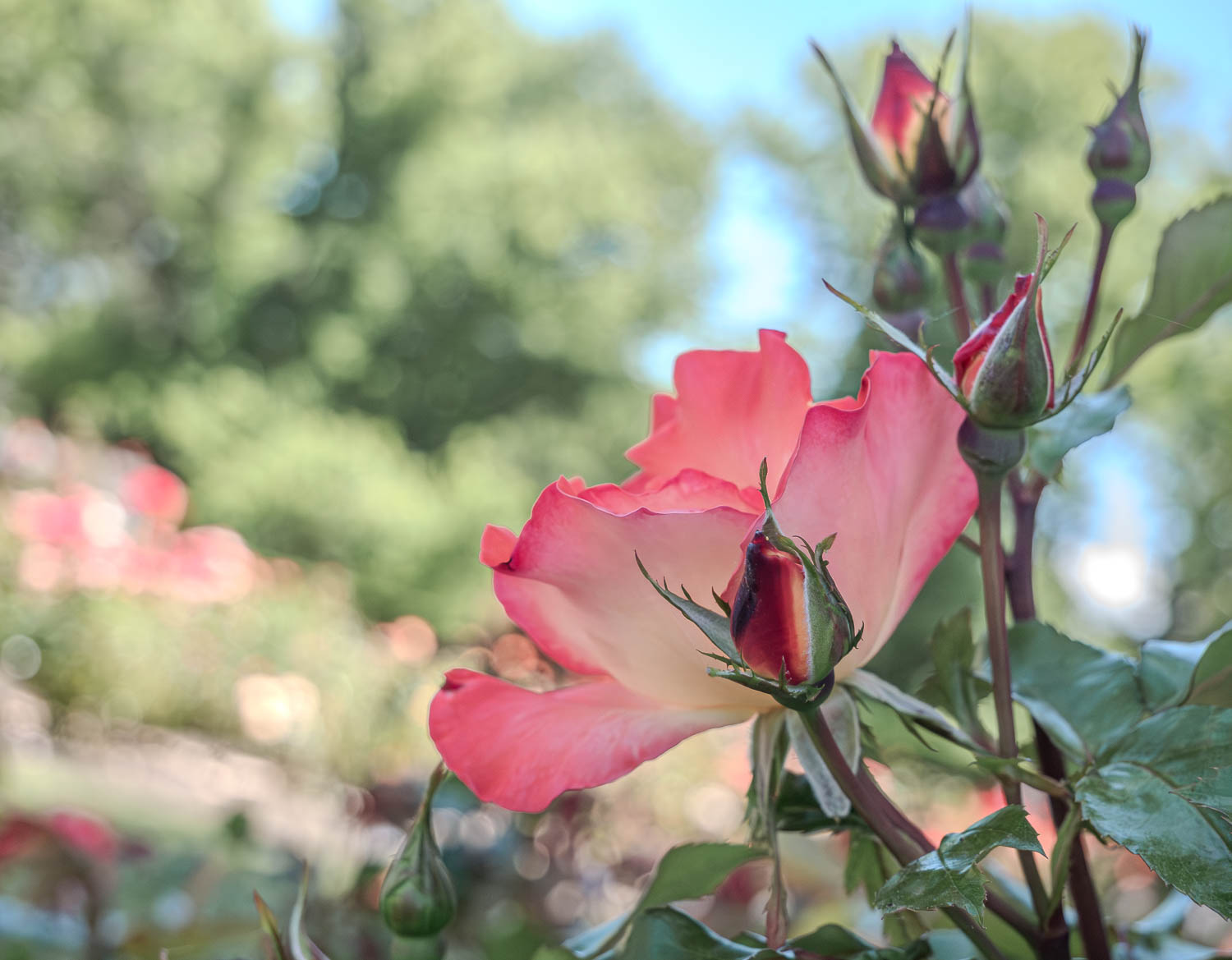
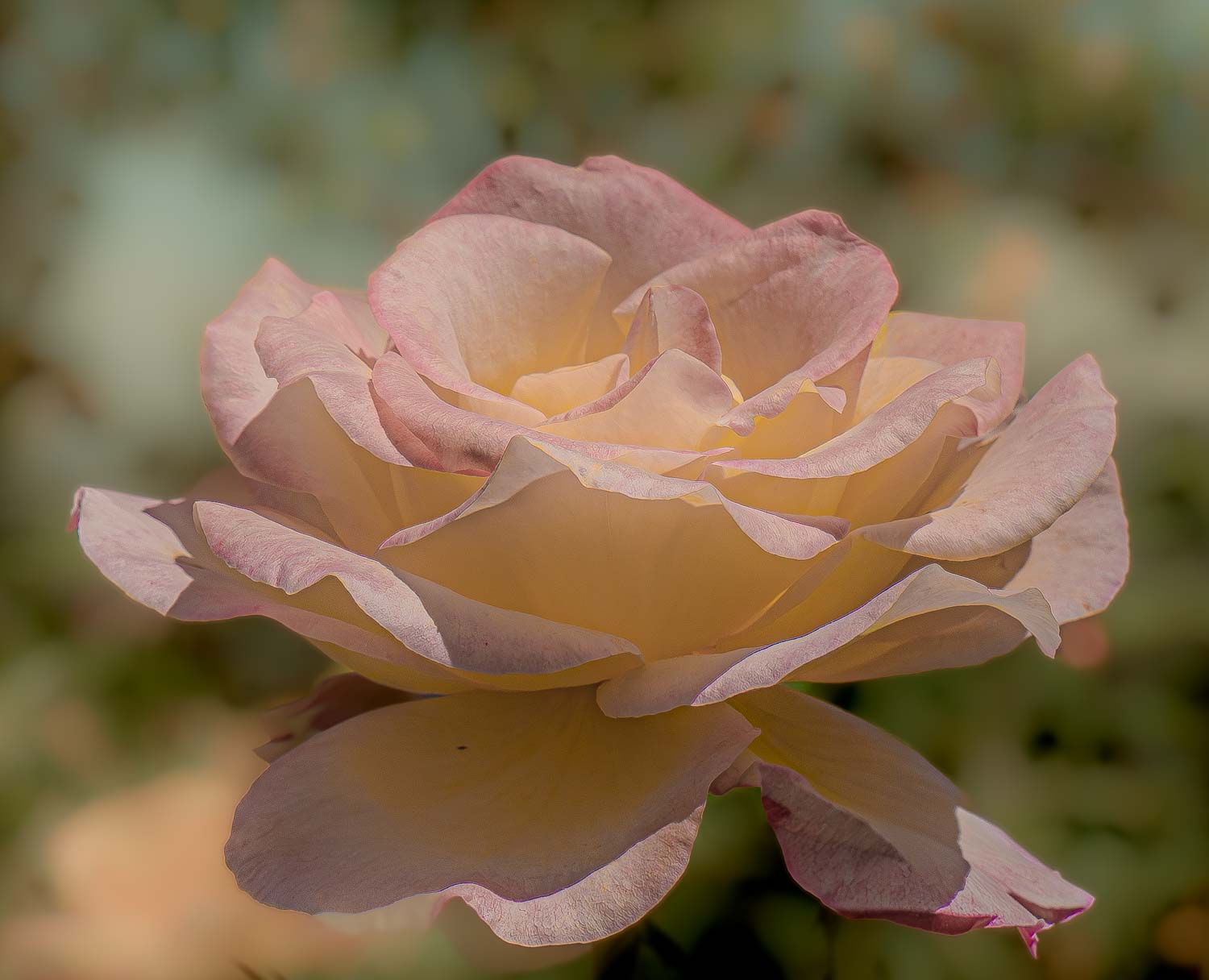
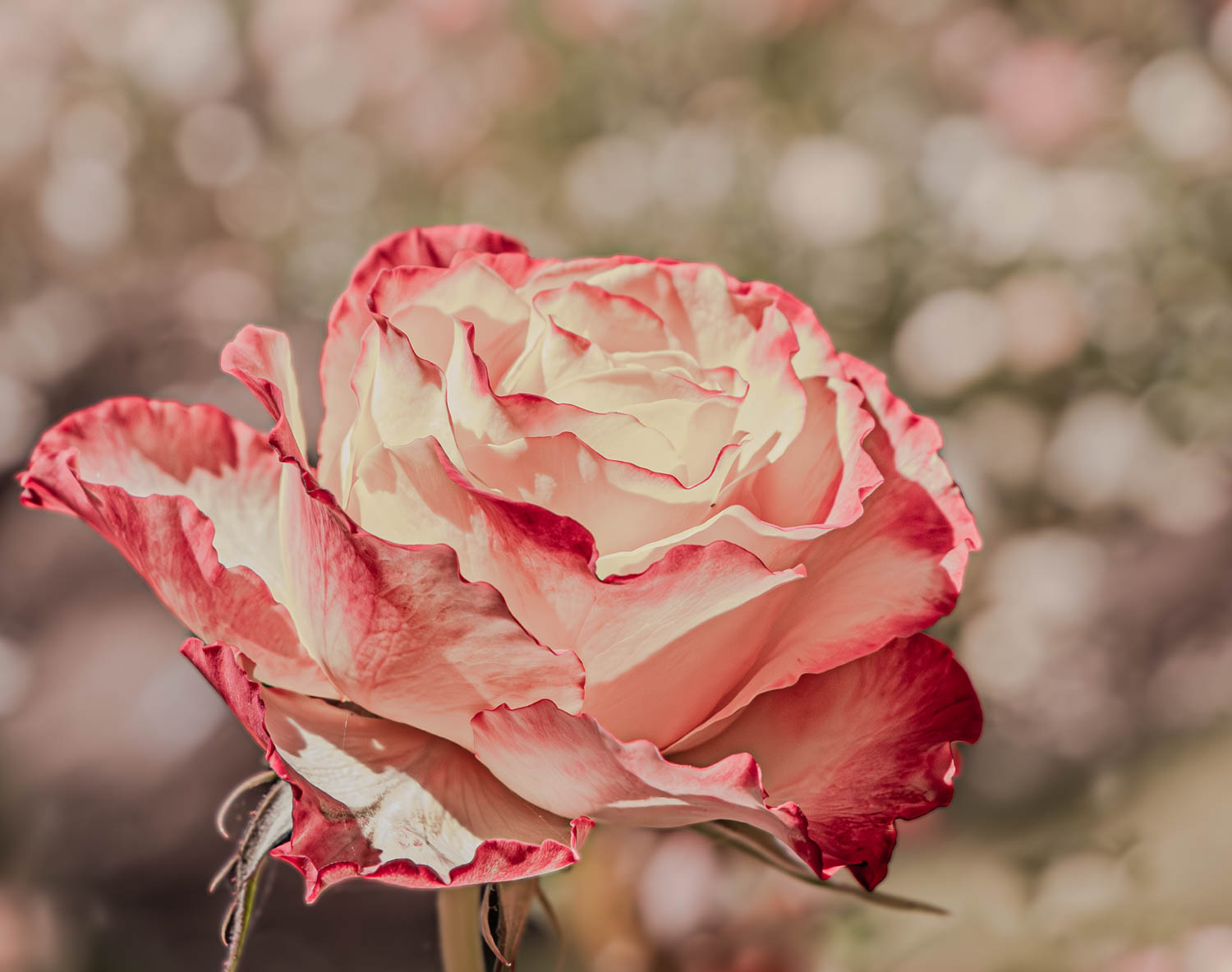
Flowers are everywhere, including at the Australian National Botanic Gardens.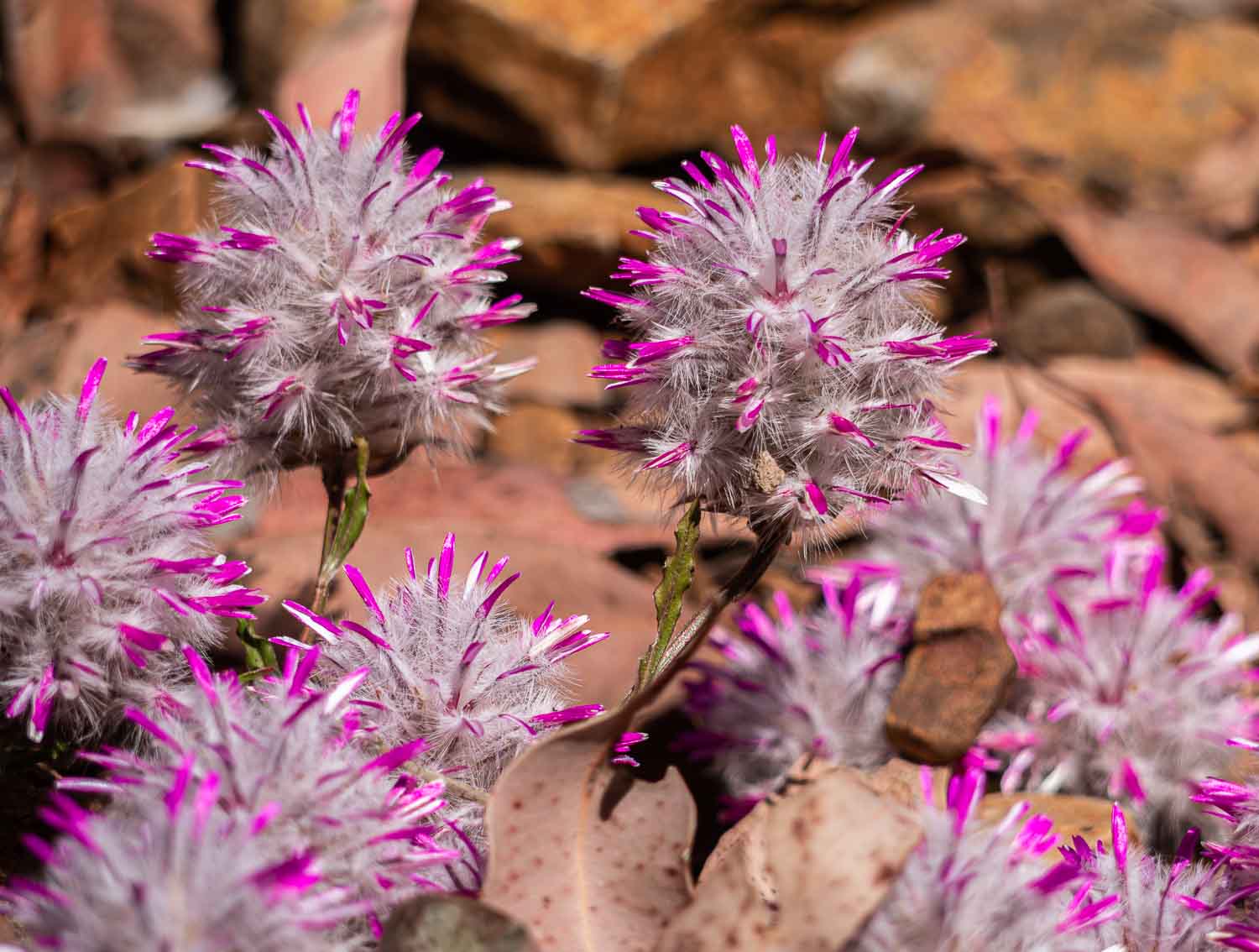
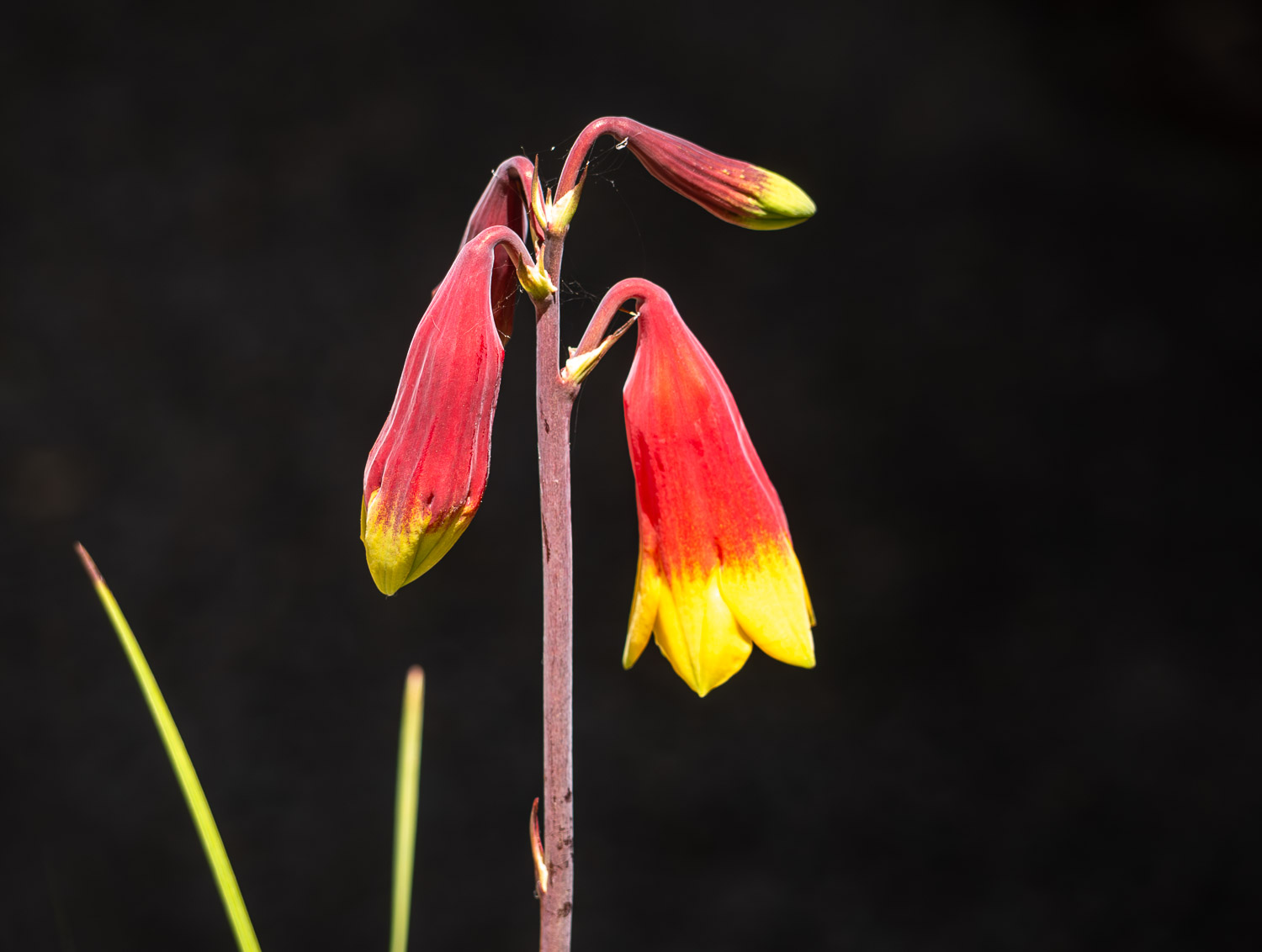
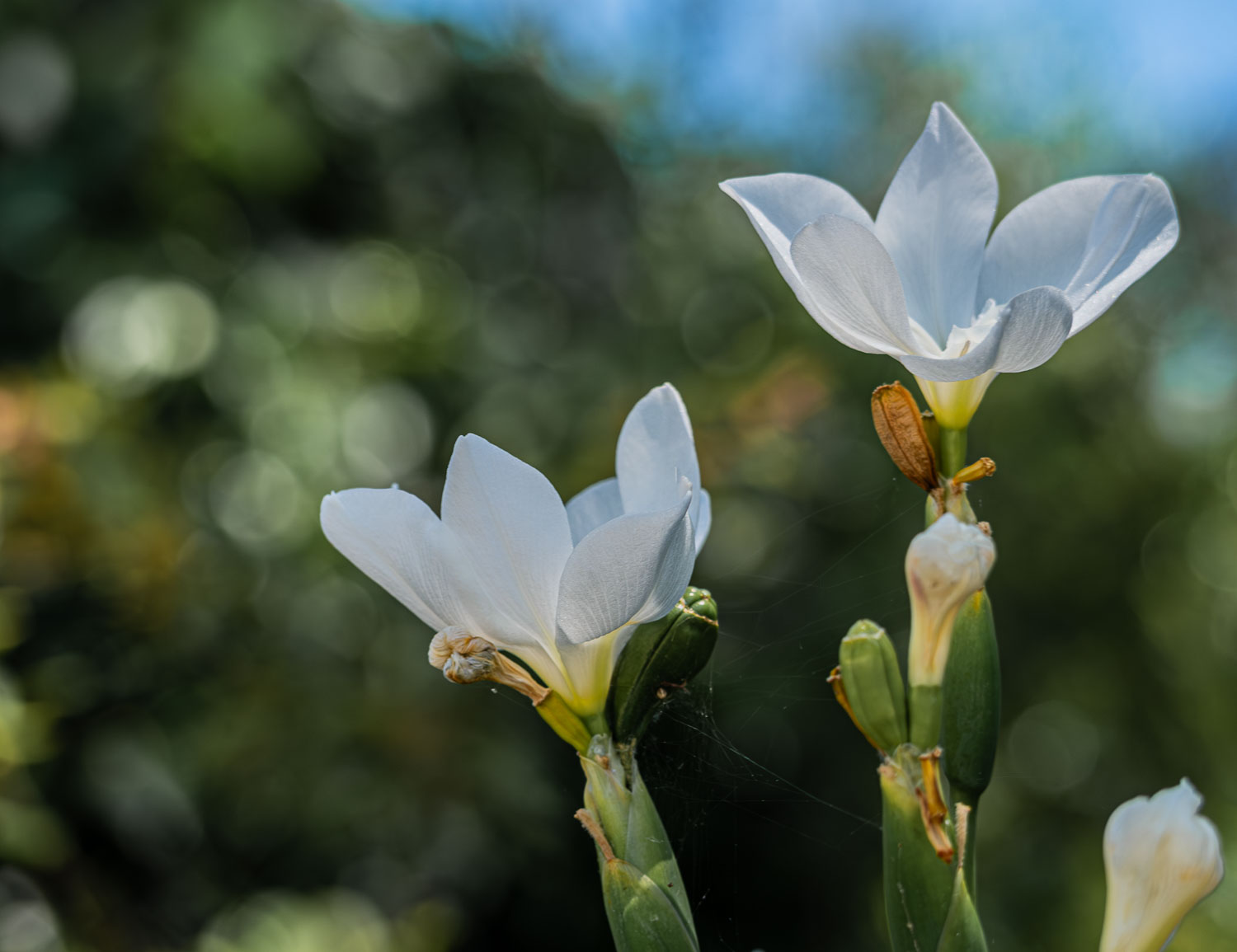
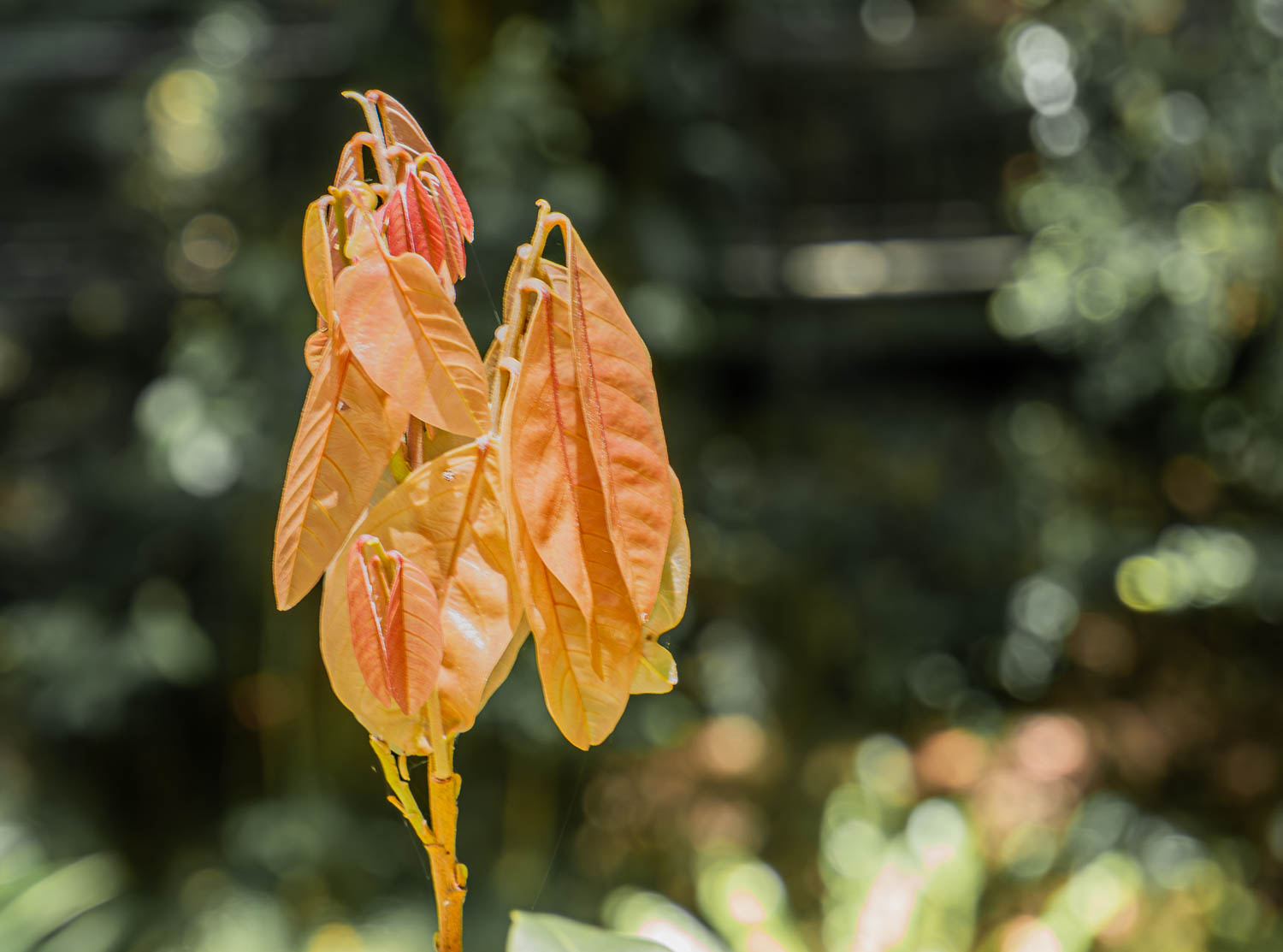
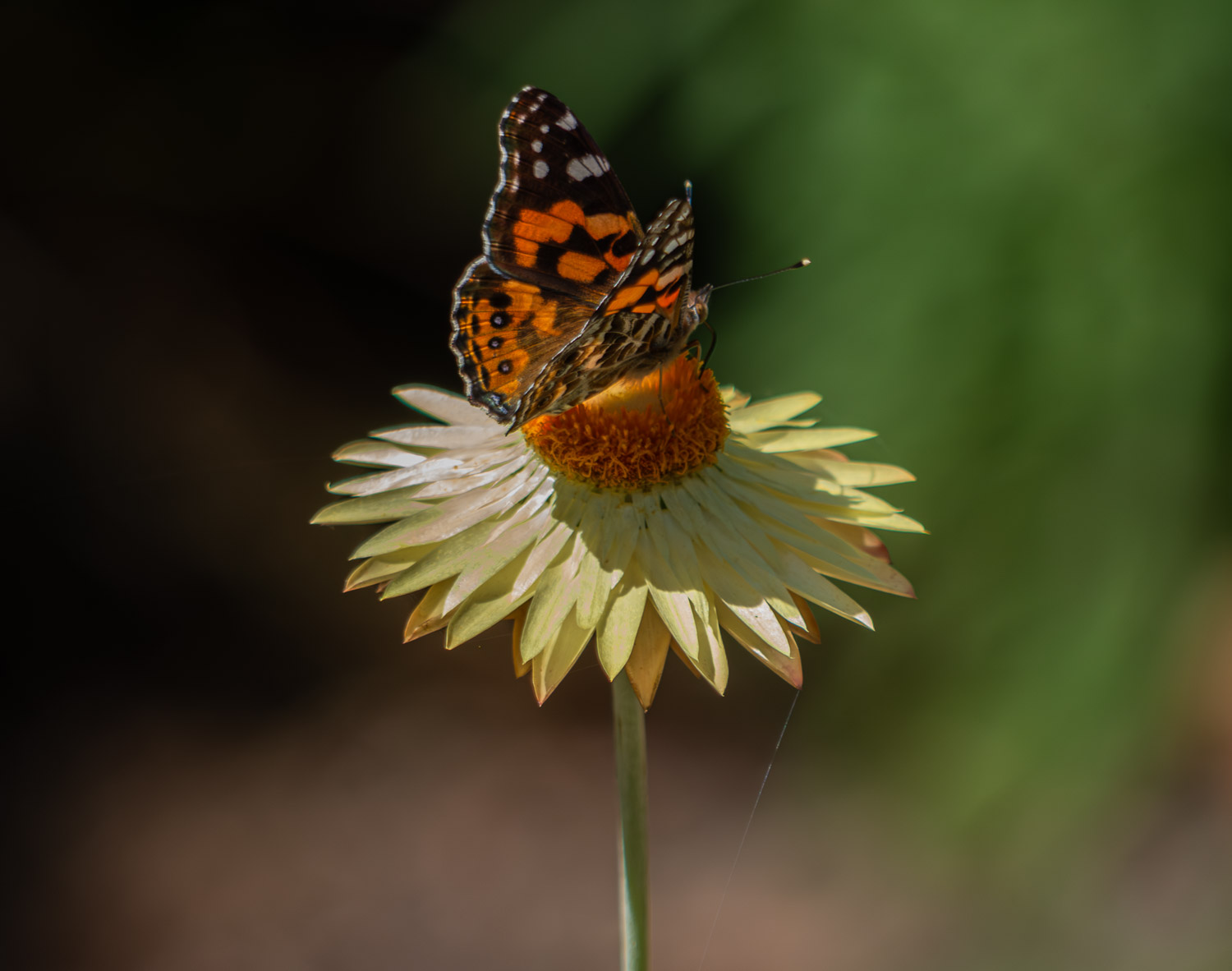
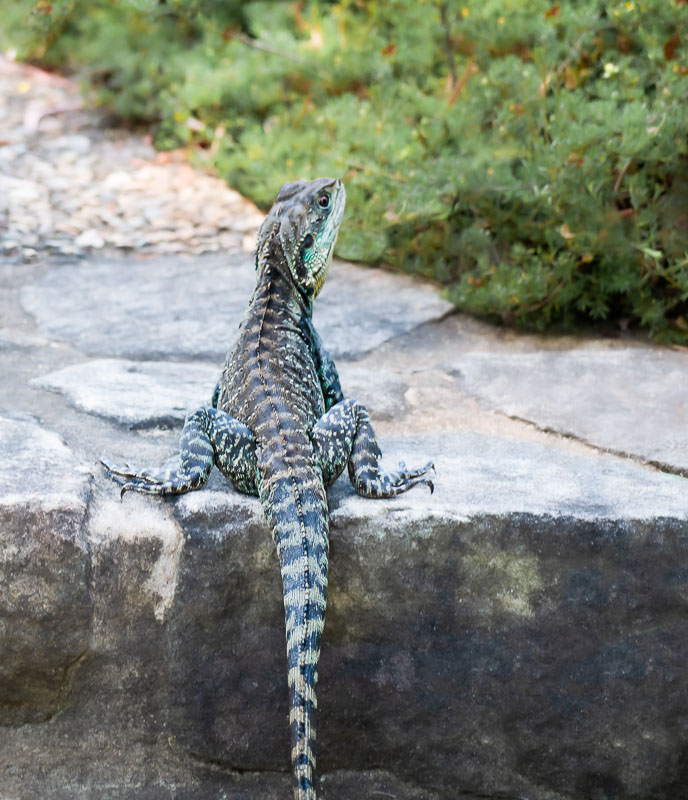
A trip home to Canberra always includes a visit to the gardens with its extensive array of native plants, all 75,000 of them. It’s a scientific collection, but the gardens are so much more than that. There are wide picnicking lawns with tall eucalyptus trees; a misted rain forest gully; elusive wildlife (Look! There’s an echidna waddling across the lawn!); not-so-elusive roos and wood ducks; and water features with dragons.
So first we must hunt dragons!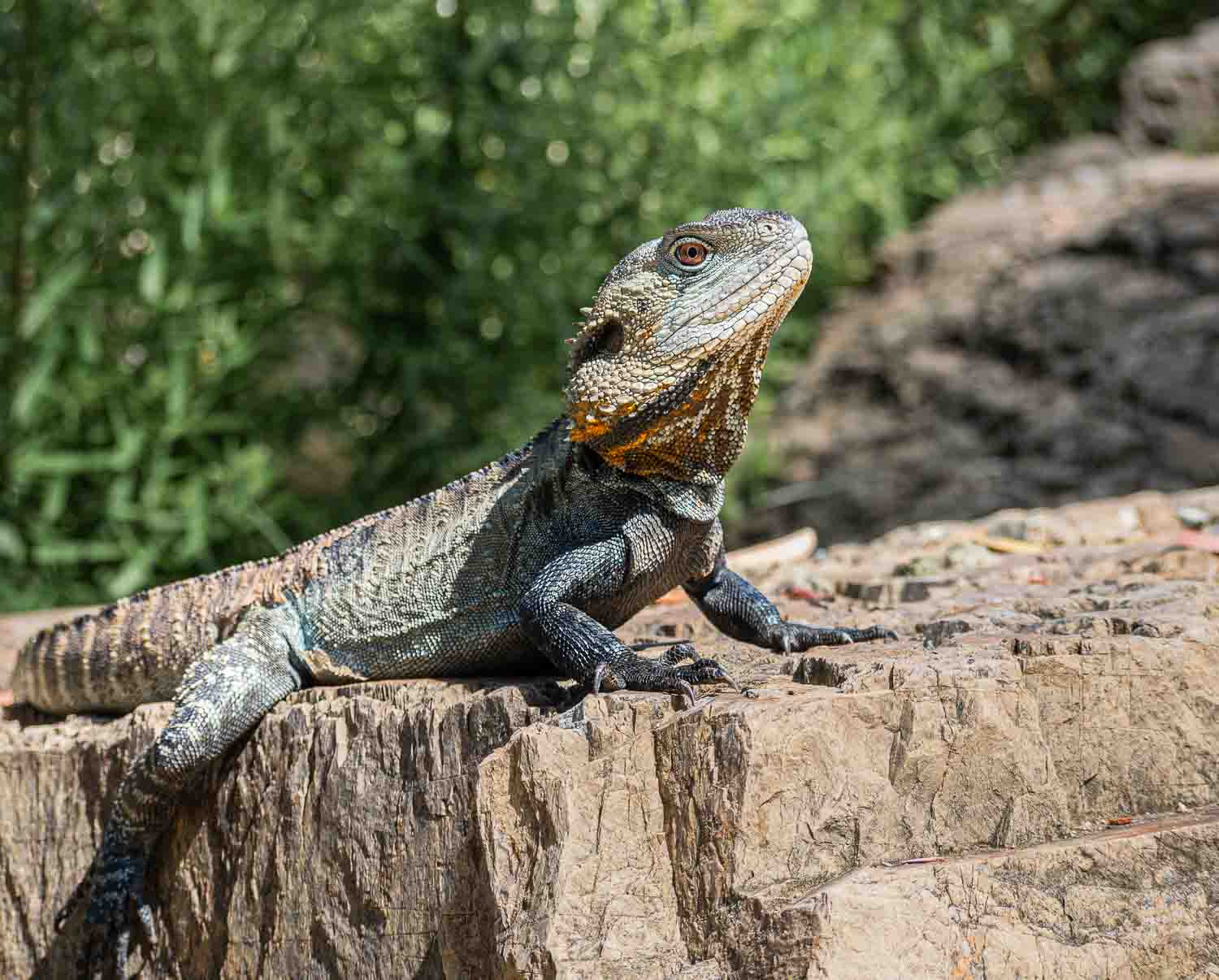
Water dragons have been here for 20 million years; they are truly prehistoric! The biggest of these diminished dinosaurs are a metre long, 2/3rds of which is a tail that’s all muscle and shaped to act like an oar when swimming. Spiky spines; big claws; powerful hind legs; these would-be fearsome creatures hang out in trees alongside creeks and rivers. At the first hint of danger down they go, diving into the water. Underwater they slow their heart rate and can remain there for as long as ninety minutes. On land they run – on all fours, or even faster upright on their powerful hind legs.
But we are not afraid. And neither are they. With a little caution, on our part, and even less stealth, the dragons ignore us and go about their business.
This one is not much more than newly hatched, only about 30cm (12 in) long, tiny compared to the others; almost camouflaged on a rock above the water, warming itself in a shaft of sunlight.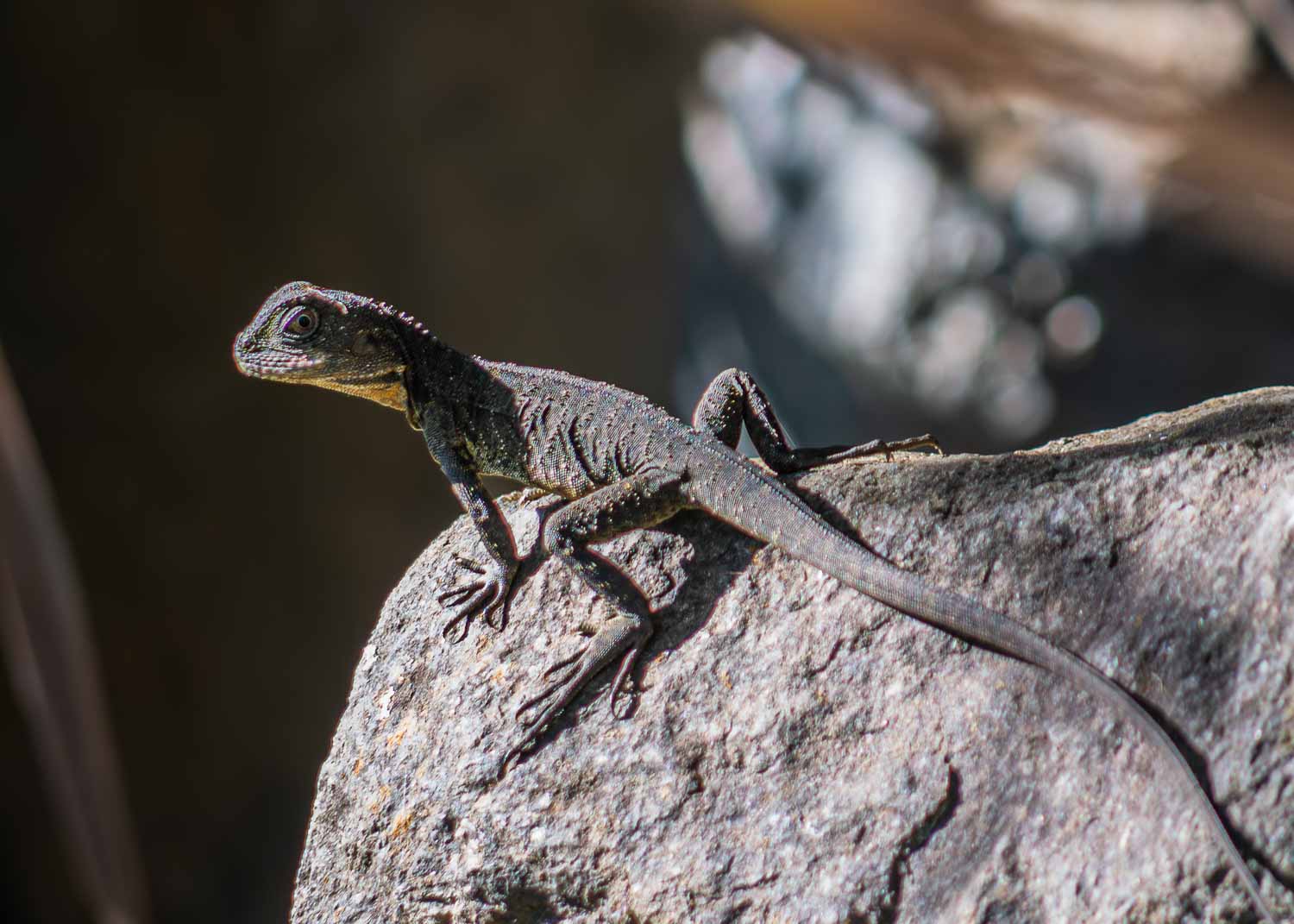
The others all but pose for us.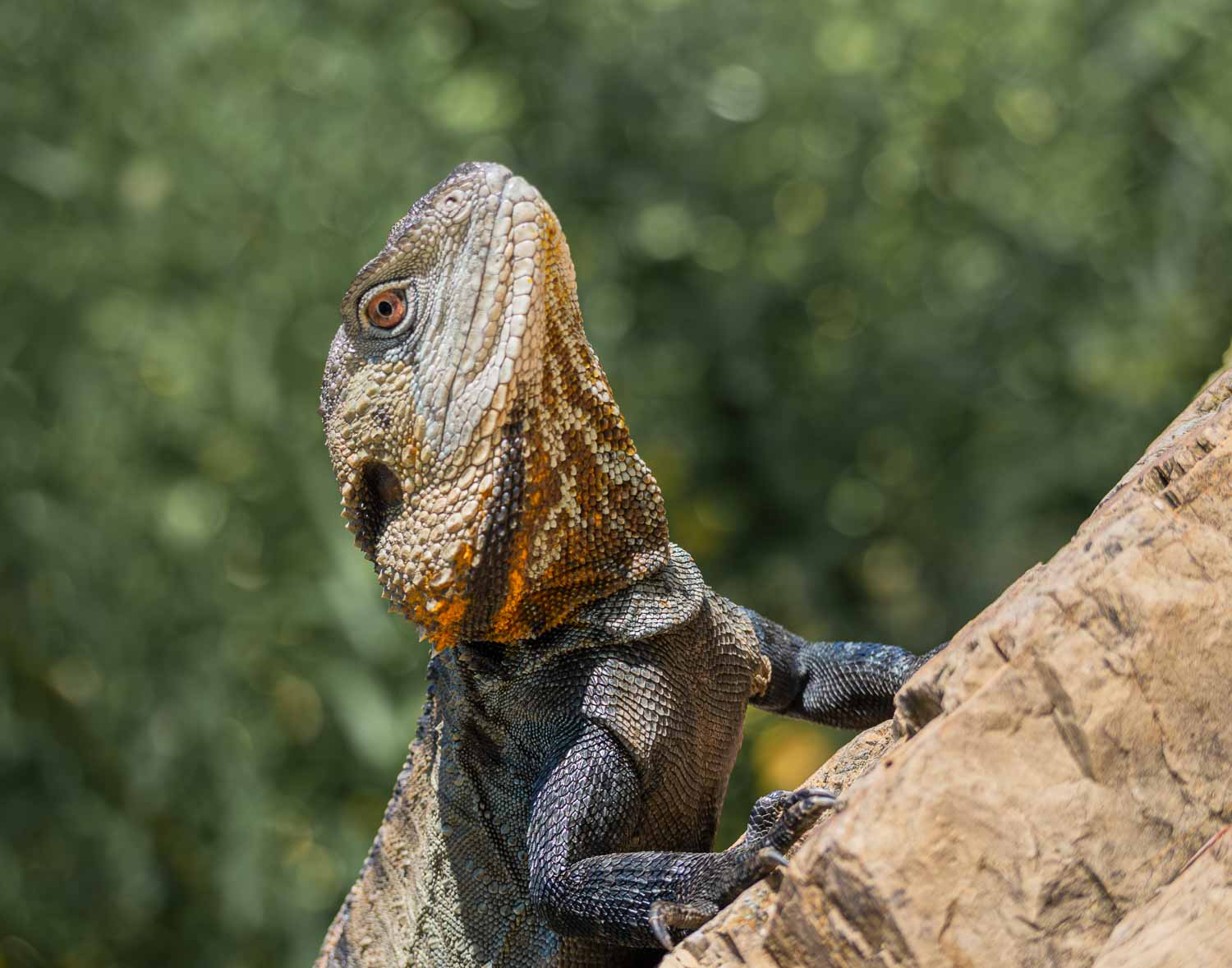
Australia has about 800 native species of eucalyptus. They’re known colloquially as gum trees because any break in the bark of some species allows for the oozing escape of copious amounts of botanical gum or resin. The Indigenous people would use the glue as a salve, or combine it with water to treat symptoms like diarrhoea; the leaves have been used for millennia as a tonic for countless ailments.
Common names for gum trees are flawlessly descriptive. This is a paperbark,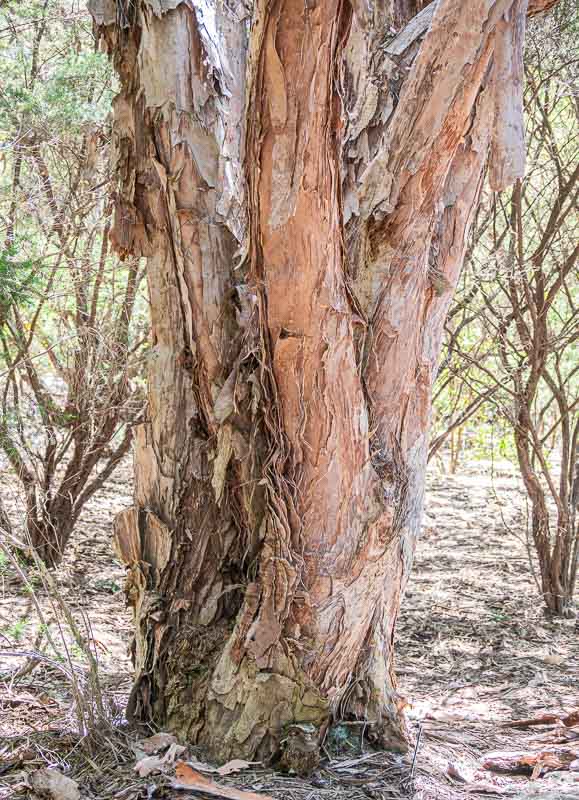
this, a scribbly gum,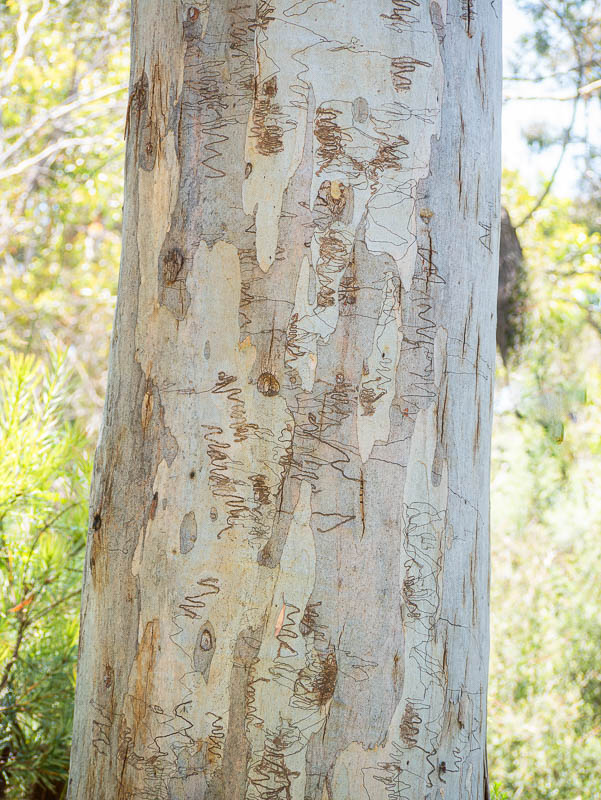
and this, a stringybark.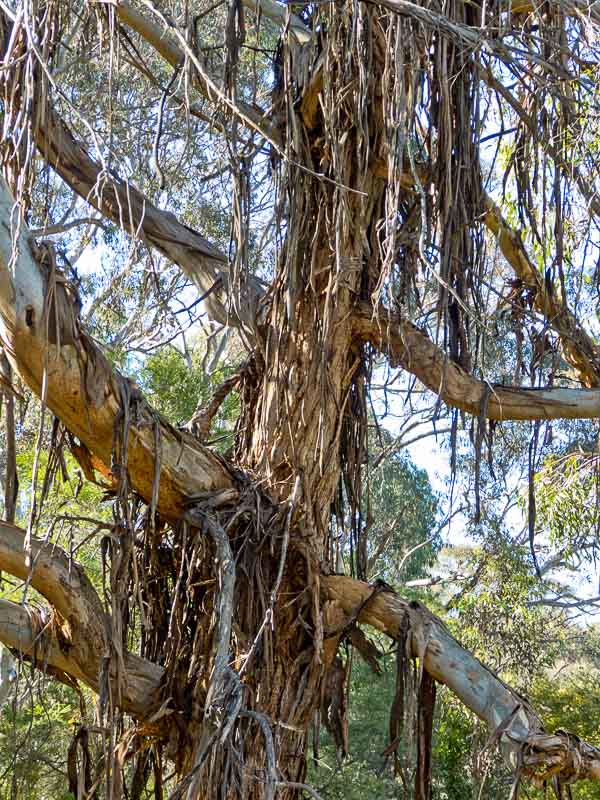
Really, what else would you call them. As for the Latin names, I have no idea.
When we were little, dad would read me and my sisters a bedtime story every night. One of my favourites was Snugglepot and Cuddlepie, a series of books written and illustrated by May Gibbs, the first published in 1918. Snugglepot and Cuddlepie are gumnut babies, their appearance based on eucalyptus nuts. Female gumnut babies have hair, hats and skirts based on eucalyptus flowers. The villains are the Big Bad Banksia Men! Which brings me to this: a Banksia flower.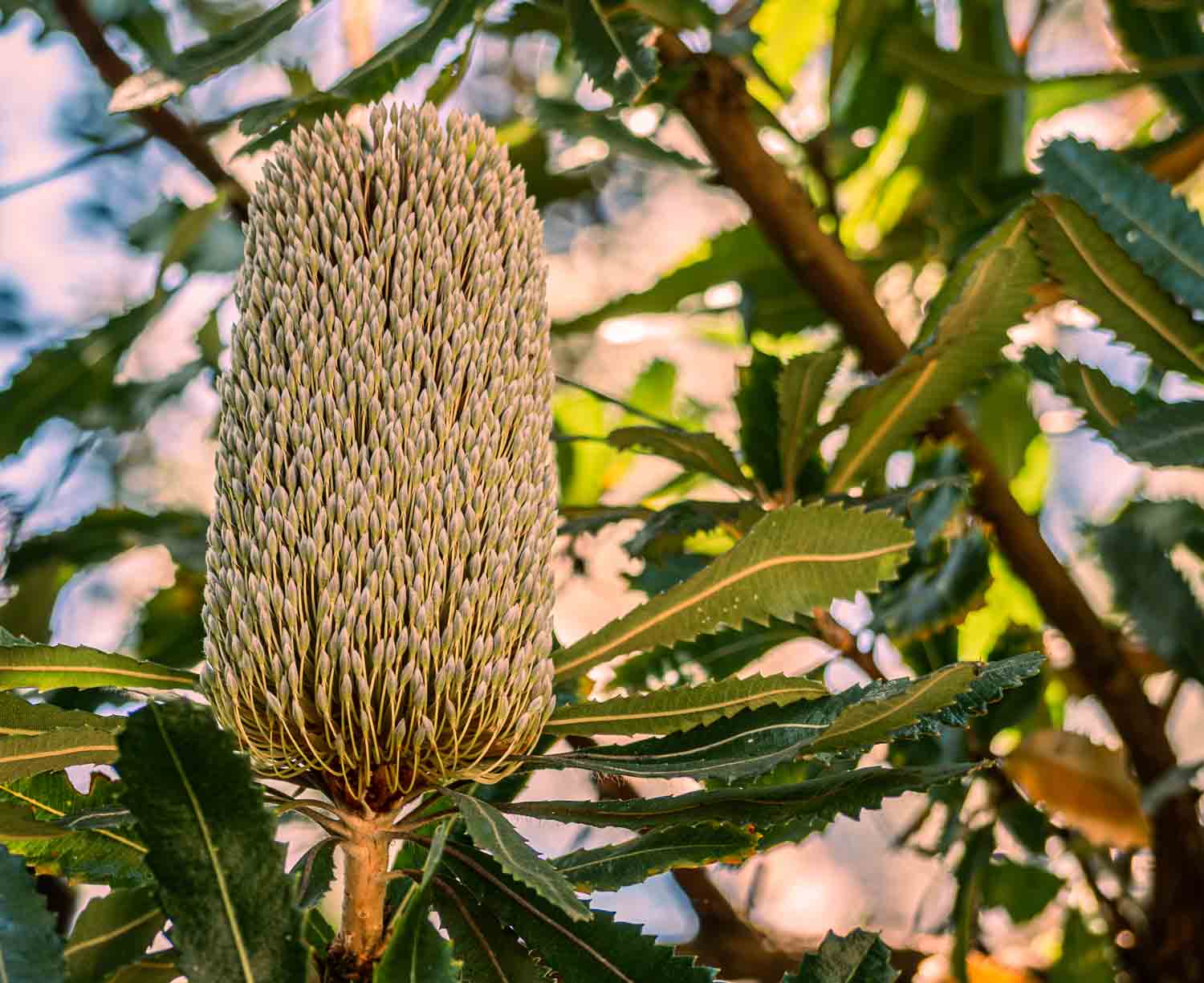
To this day I can’t see a Banksia flower without thinking of Snugglepot and Cuddlepie, and the scary Banksia Men, who were modelled after the dark brown seed pod that evolves from the flower.
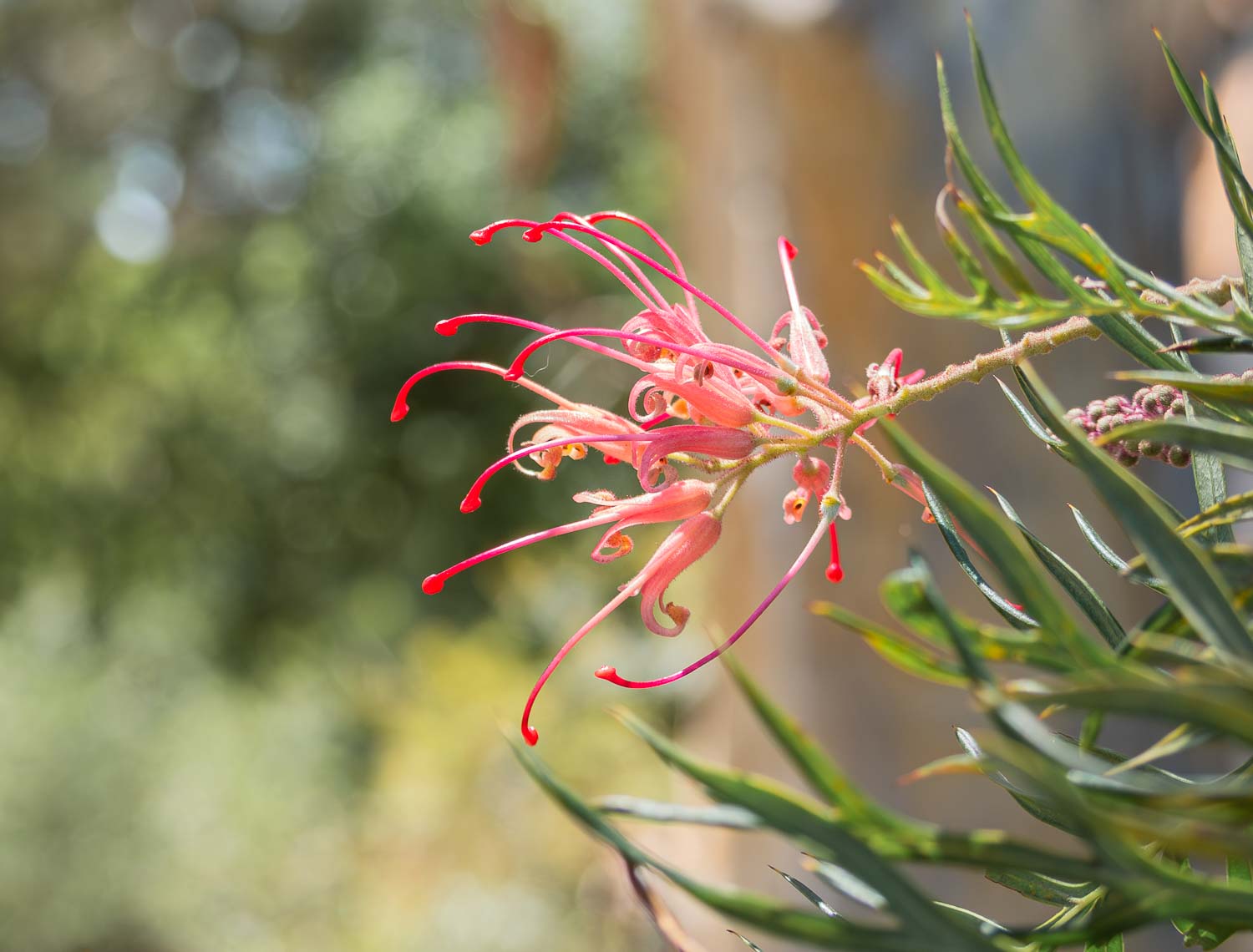
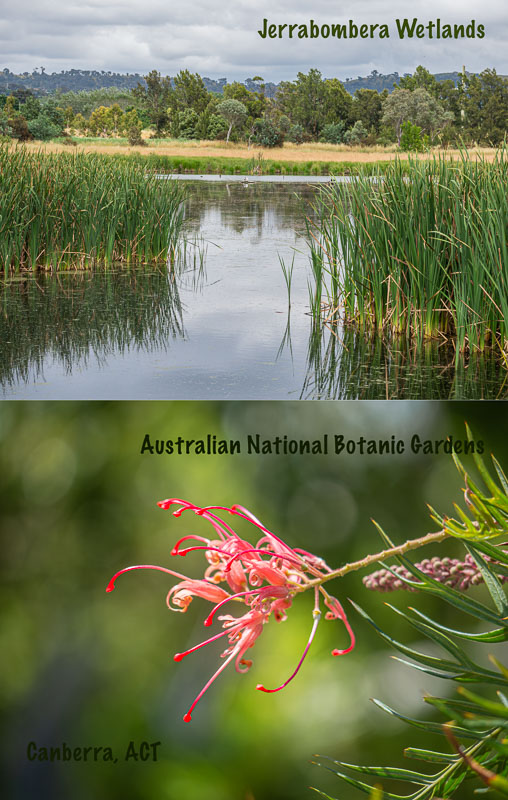
Everyone knows about all the deadly Australian spiders, well these delicate beauties are spider flowers, and not remotely deadly. They are Grevillea, and there are 350 different species.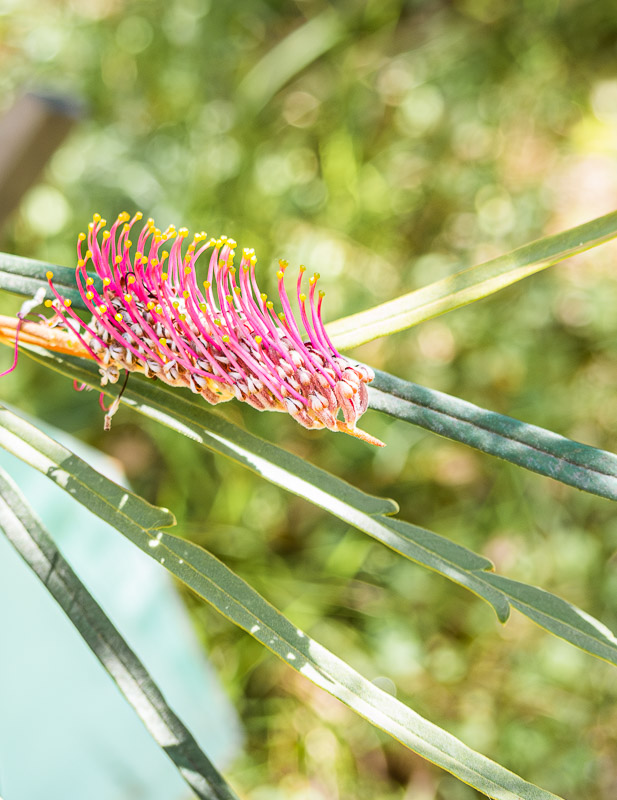
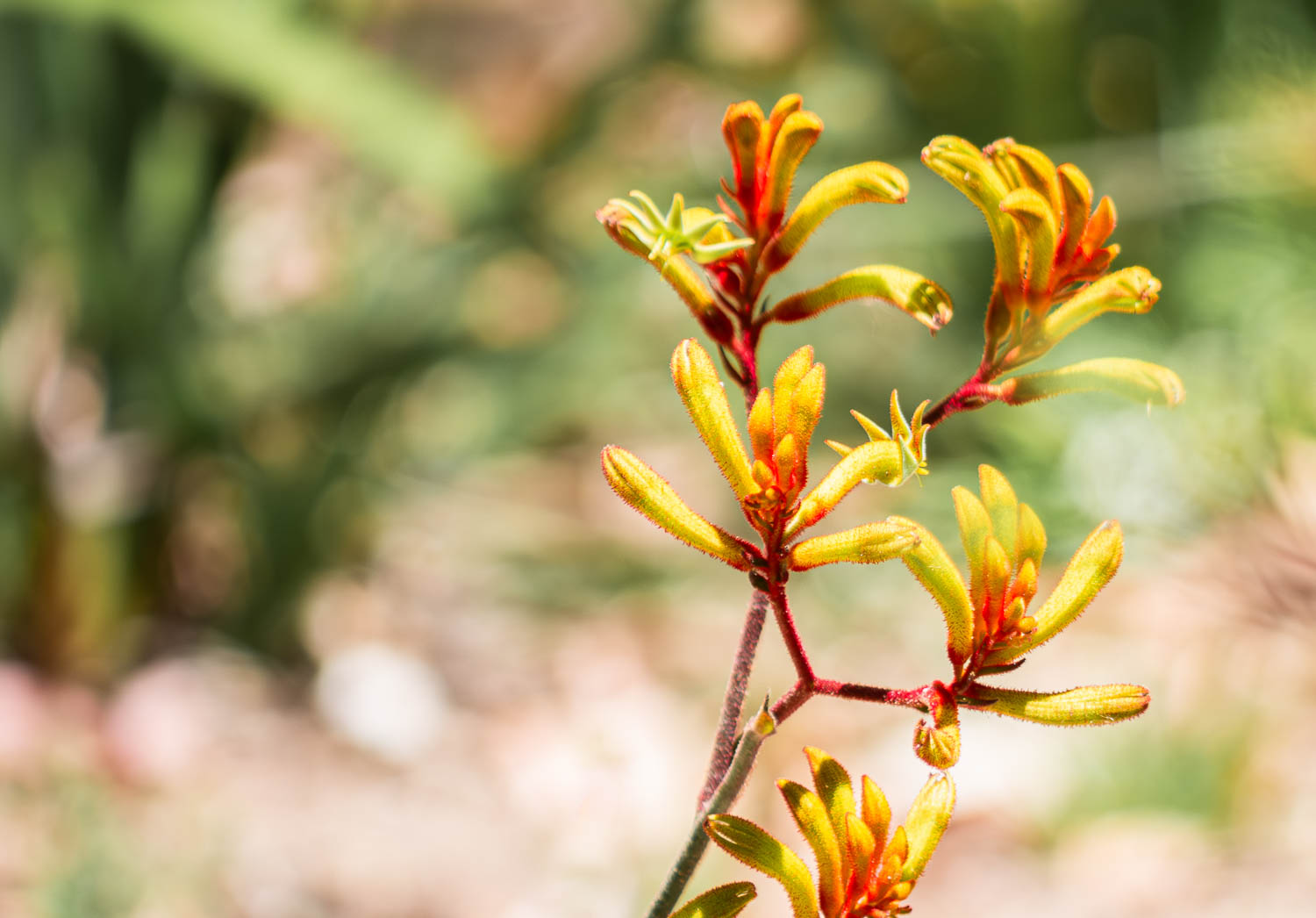
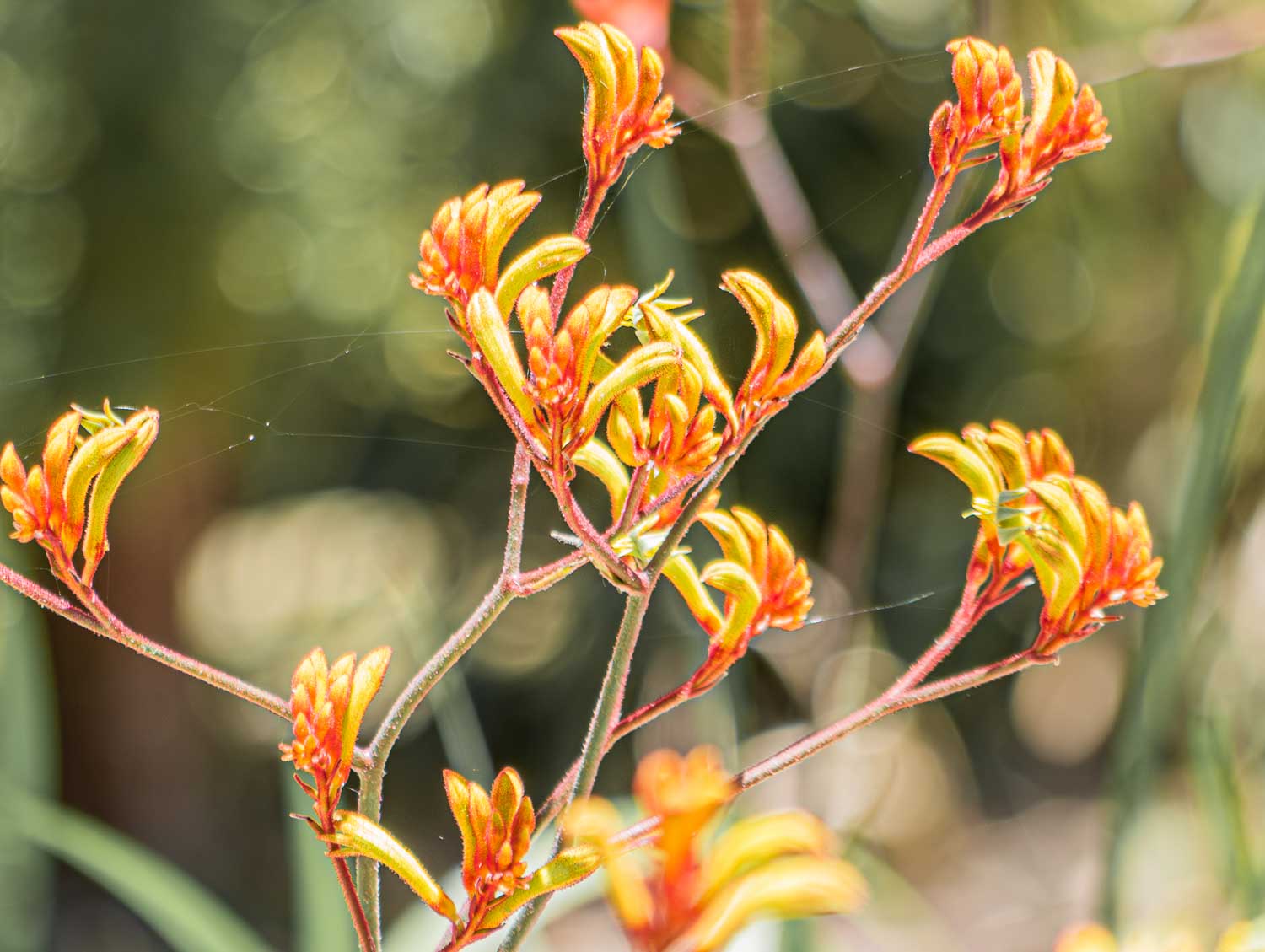
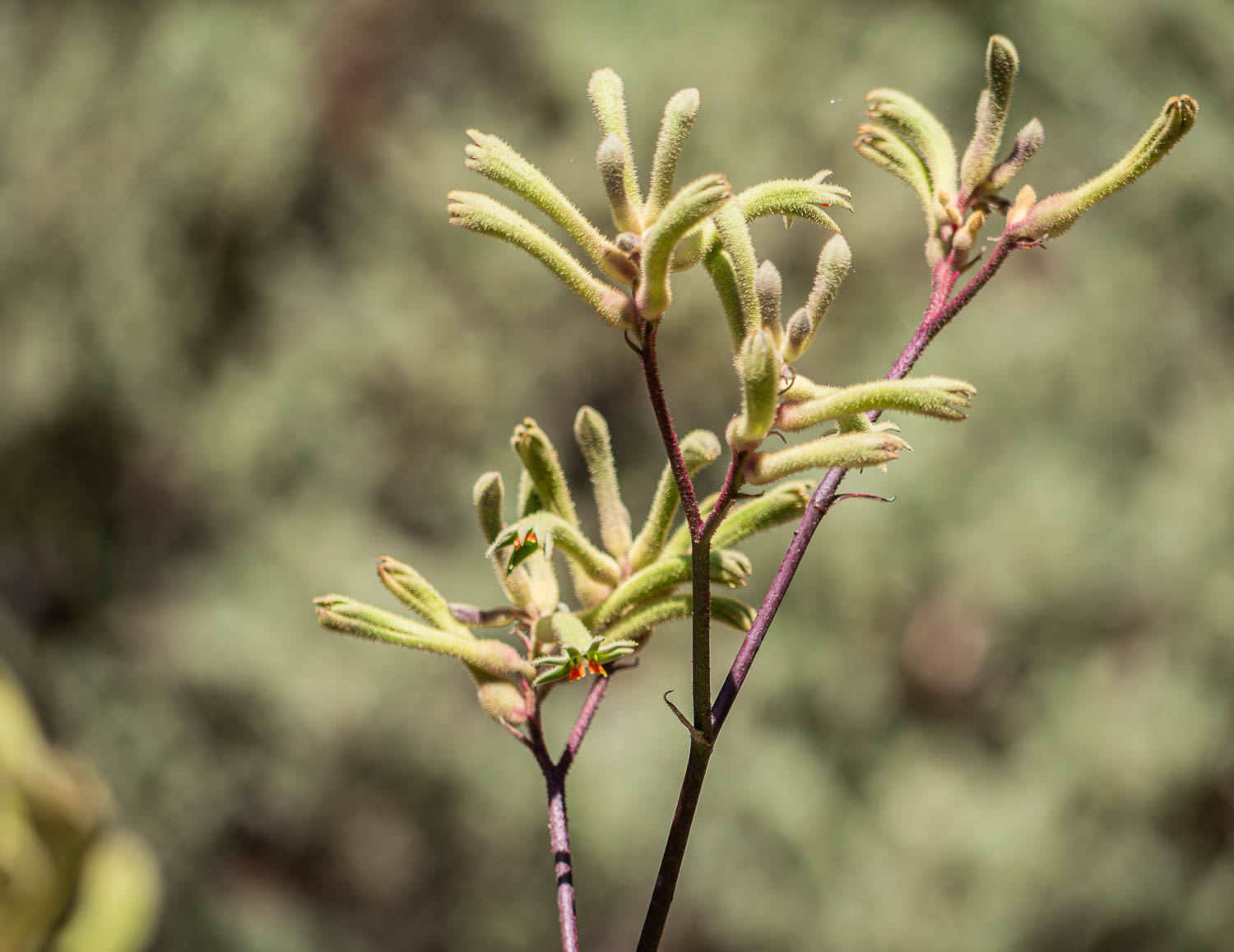
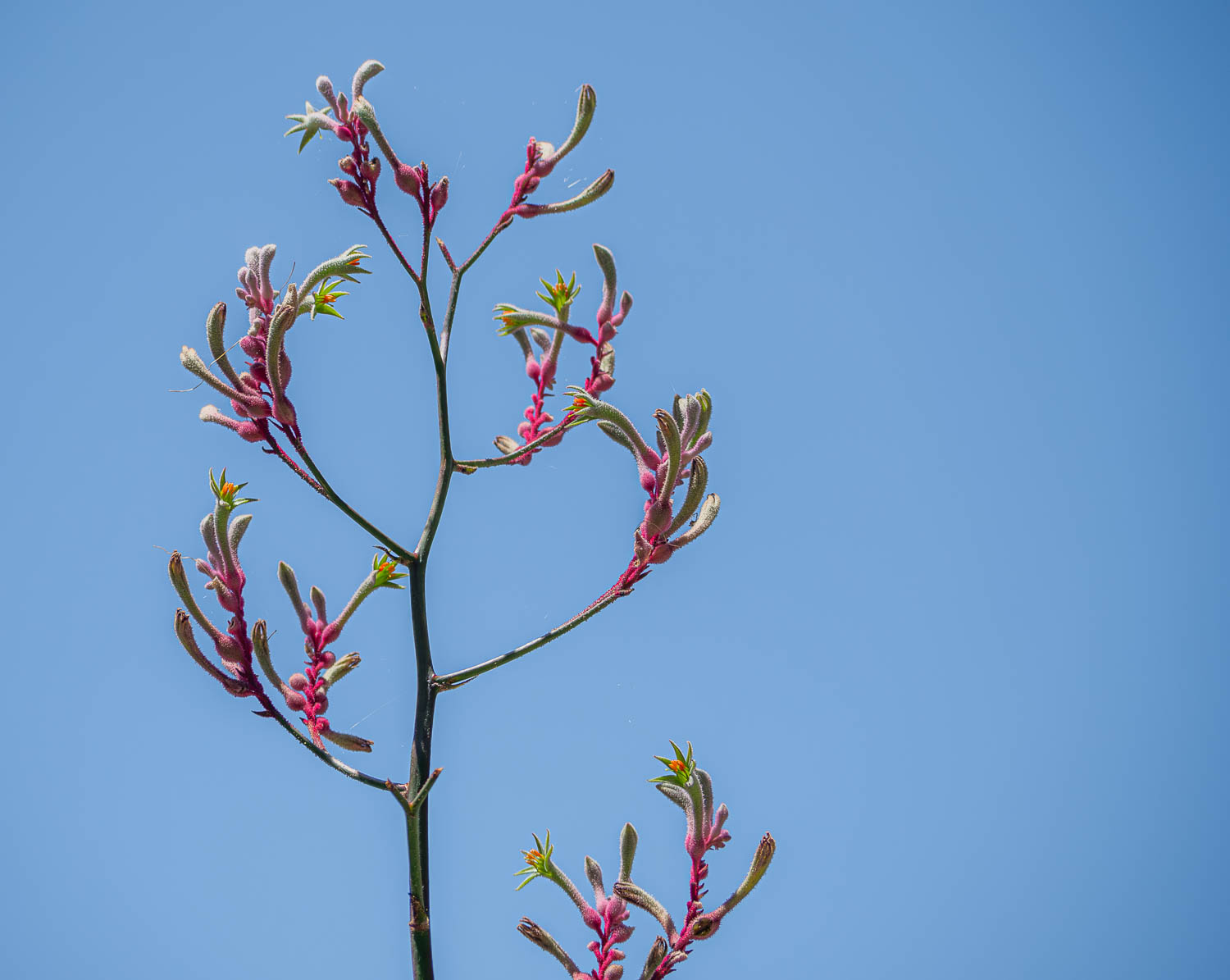
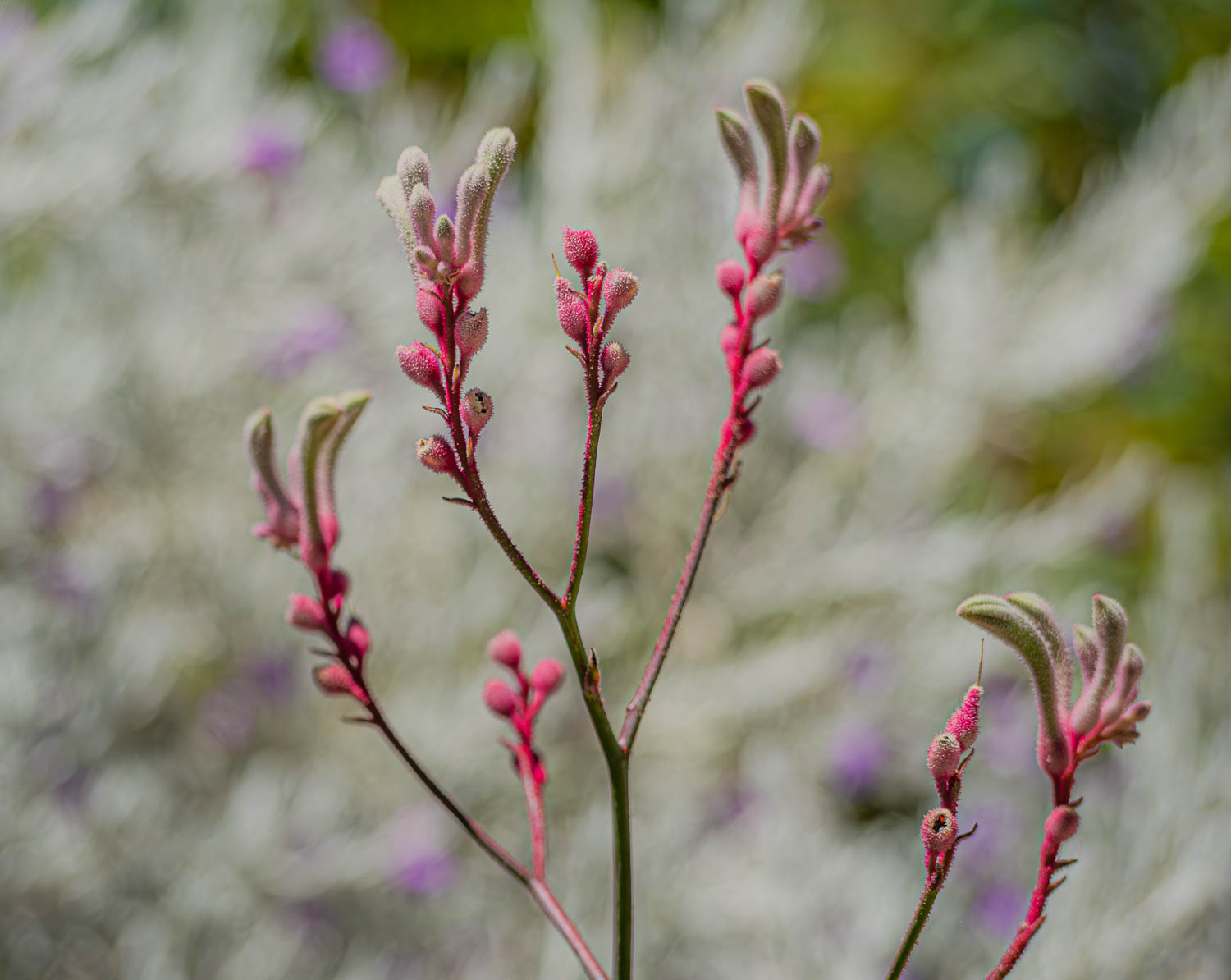
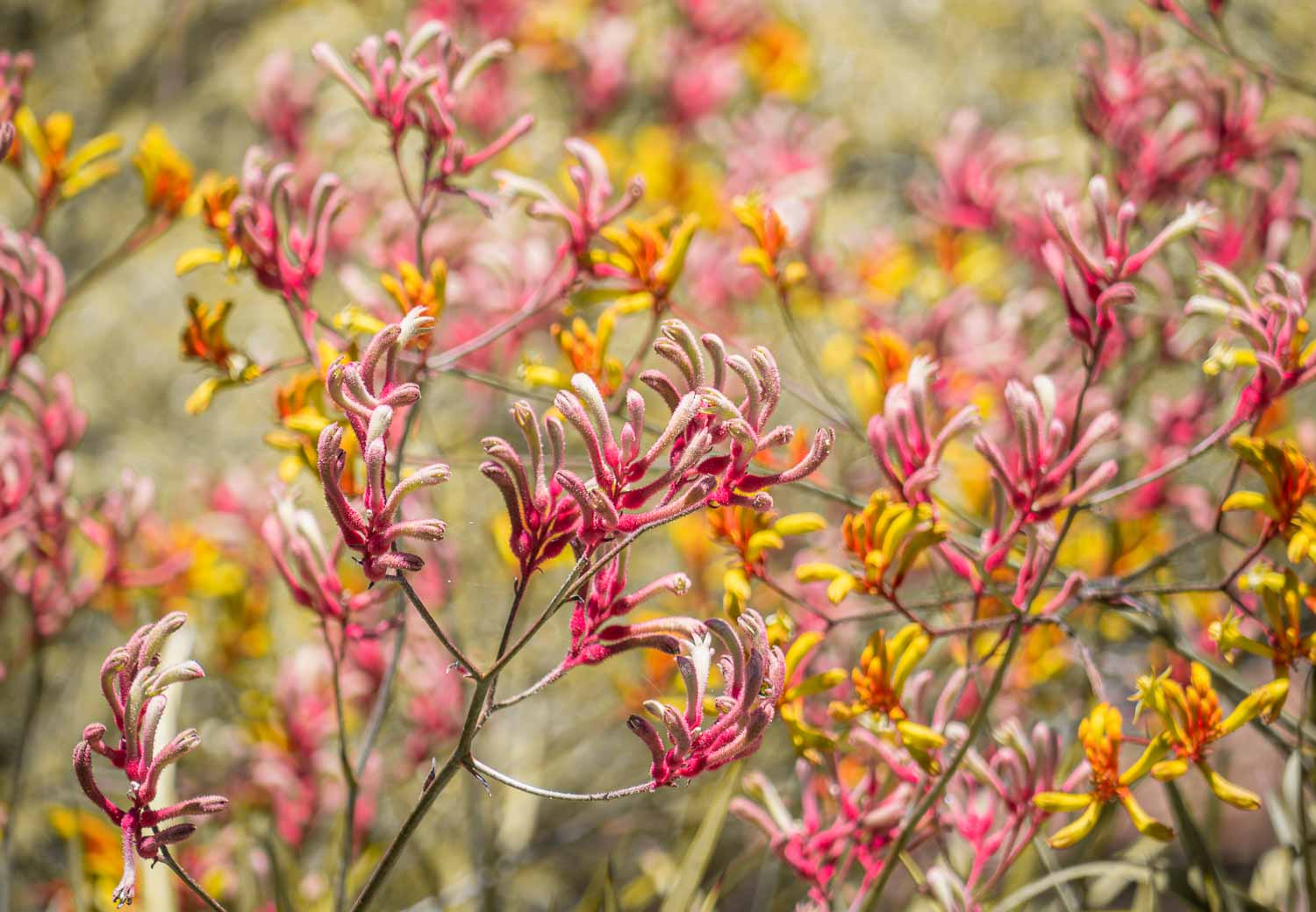
From spiders to the indomitable kangaroo paw, an unexpected blaze of colour in a harsh desert land.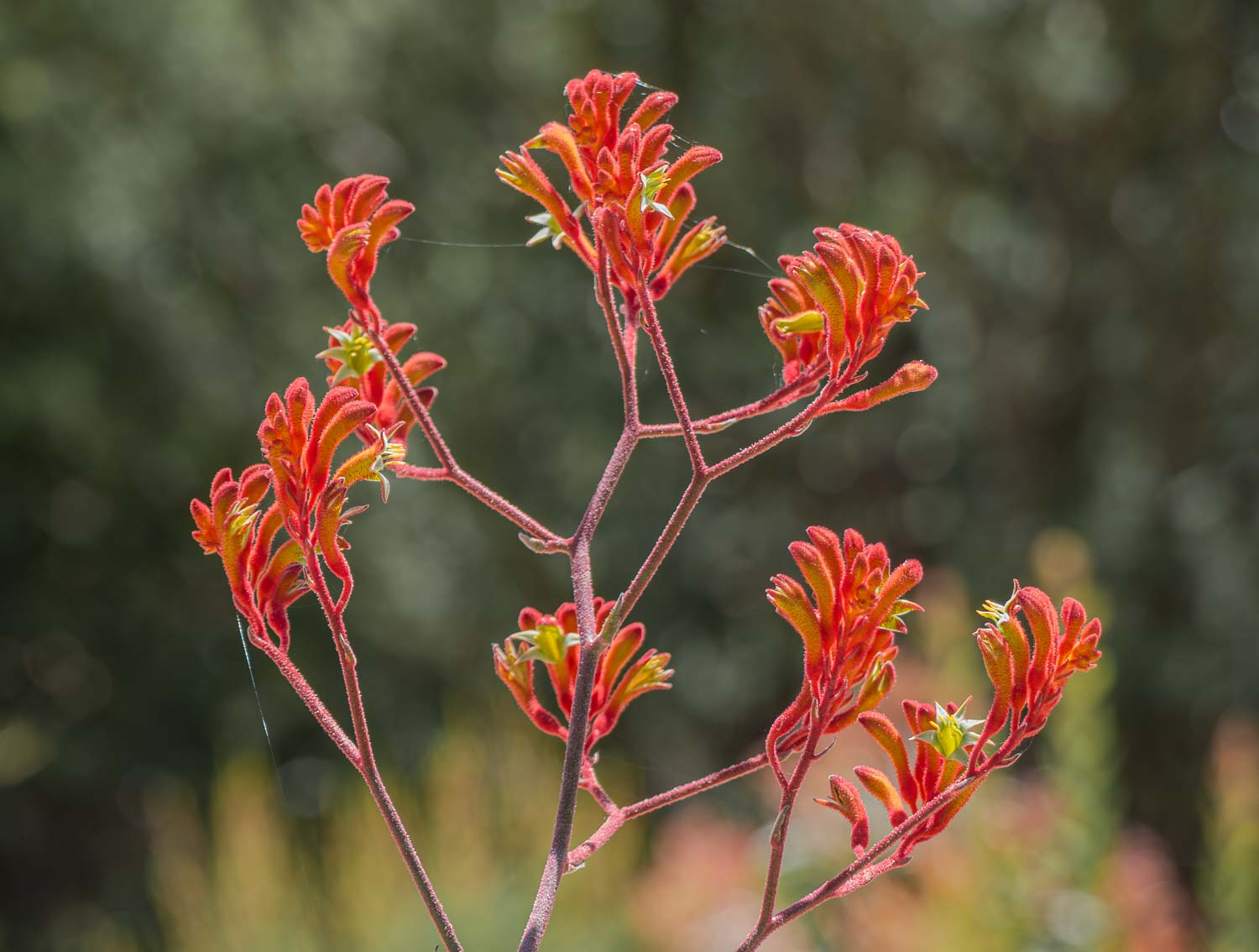
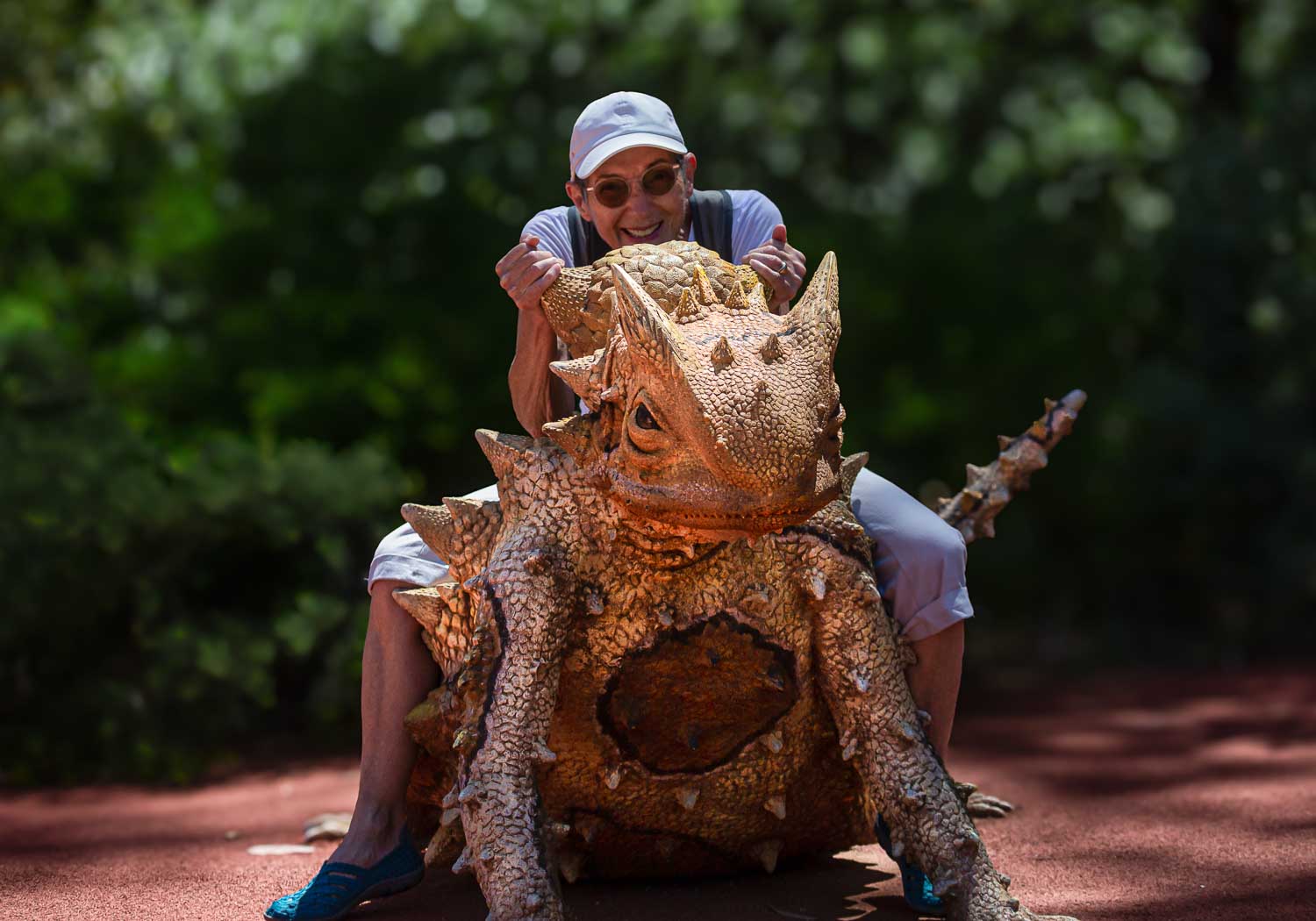
Things are not quite exciting enough though, so I decide to take a ride on a Thorny Devil. This one is three metres long. In reality they are a tiny 21 cm, completely harmless, and yes, very thorny, but not prickly.
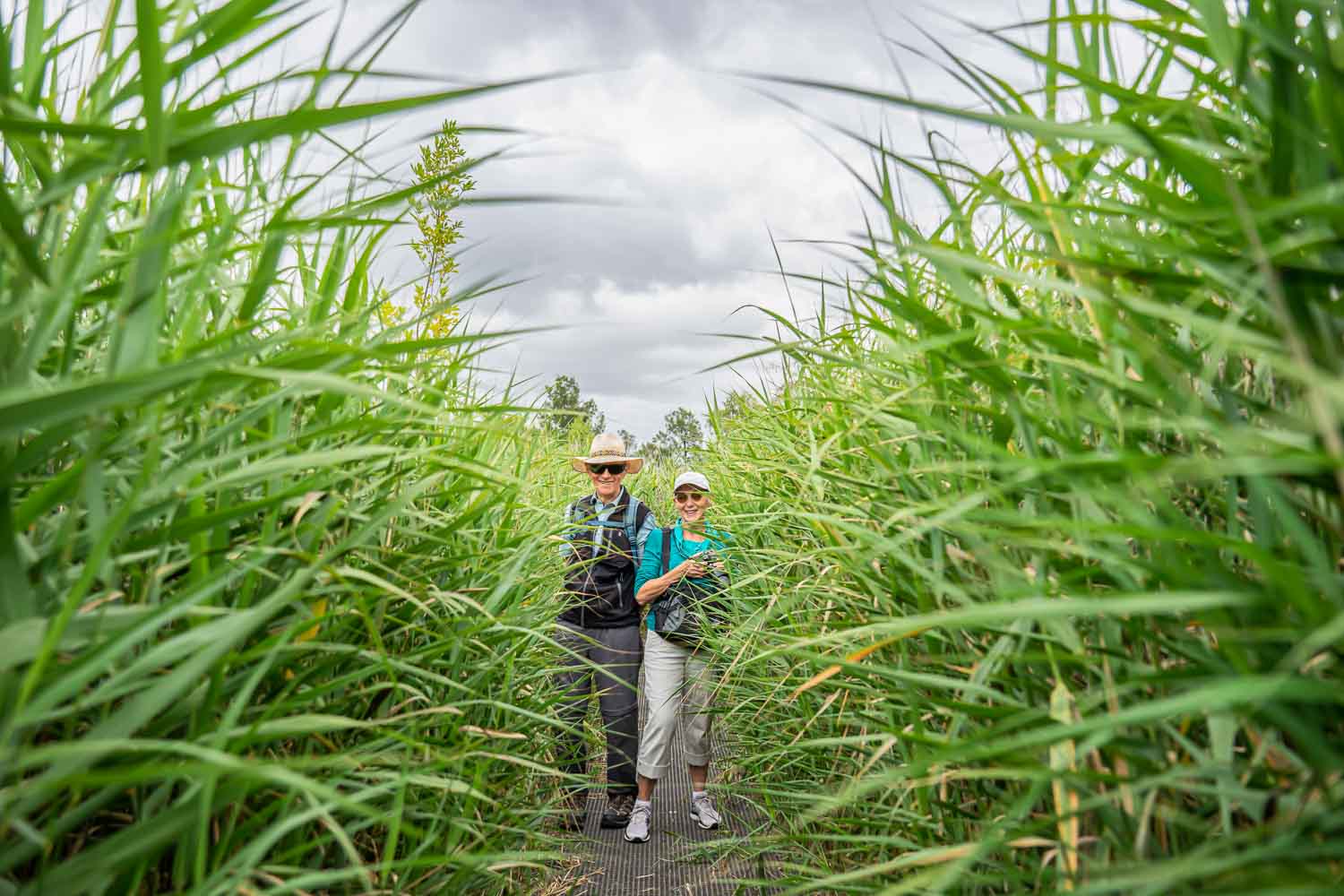
Across almost to the other side of inner Canberra is Jerrabomberra Wetlands Nature Reserve. Way back when I lived in Canberra, Jerrabomberra Wetlands wasn’t a thing. It was just this swampy area at the far eastern end of the lake where it petered out as the Molonglo River. I remember a rickety old bridge across it on Dairy Flat Road; we rarely had reason to go there. The lake was created by damming the river and this eastern end was all that was left of the original Molonglo River-Jerrabomberra Creek floodplain. The area was used mainly as pastureland, and eventually designated a nature reserve. There has been an extensive replanting program to bring back native shrubs, trees and grasses, and with a commitment to ecological recovery it has emerged from swampy weed-ridden grazing land to a richly diverse habitat with a flourishing population of bird and aquatic life. Apart from hundreds of bird species there are turtles, fish, bats, lizards, frogs, snakes, and water-bugs. But still, the grasslands, which make up 66% of the area, are dominated by agricultural grasses and weeds, mostly introduced. They range in height from three metres to less than ten centimetres. Once we start exploring we find out all about them.
I’d wanted to go to the wetlands because I’d never been there, and because my brother-in-law frequently shared photos on Facebook of the birdlife. It felt like my kind of place.
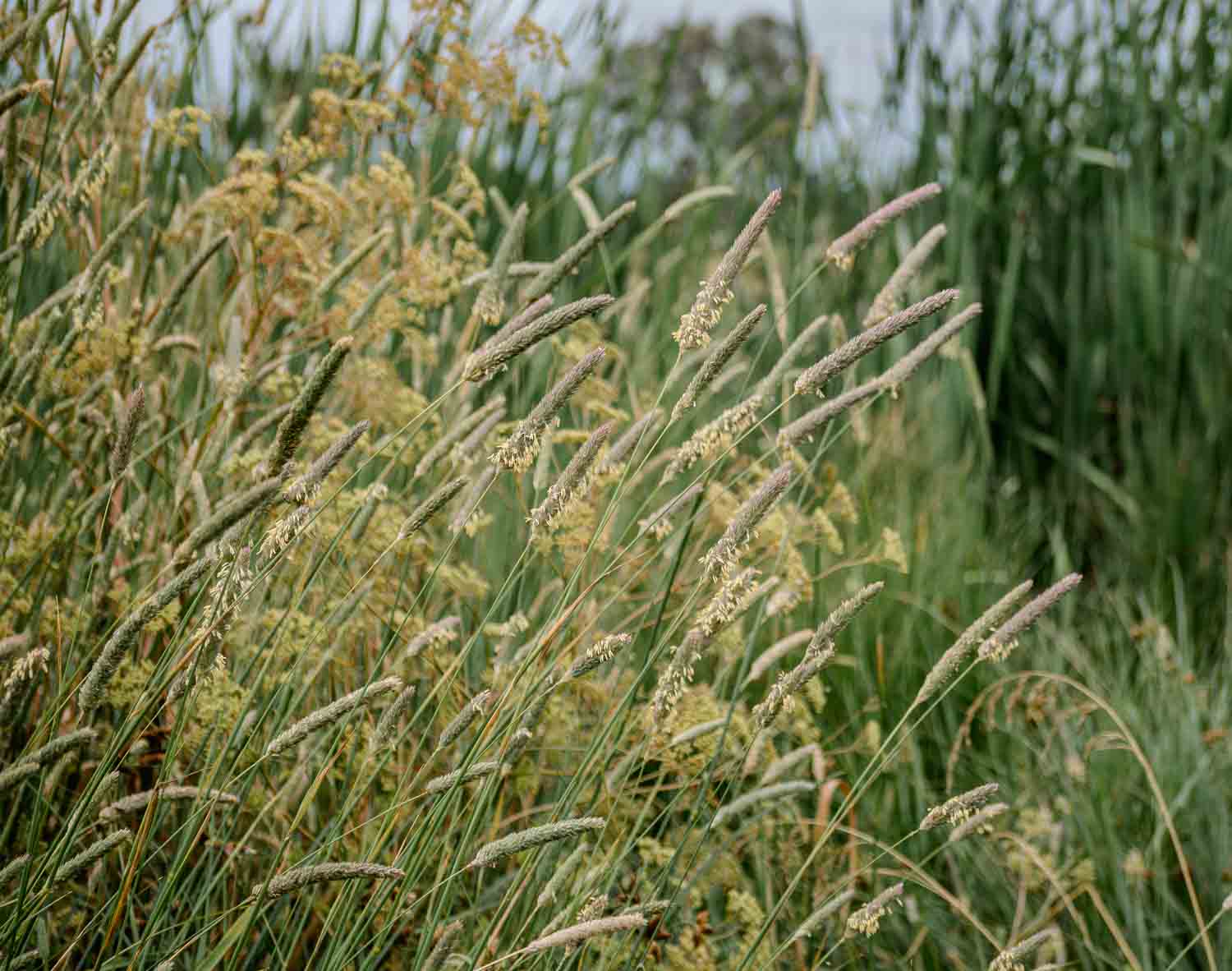
I mentioned in a previous post that in 2022 Canberra had had an unusually wet spring so vegetation everywhere is tall and lush. At the Wetlands the grasses are as high as an elephants eye, and that’s about all we see.
From time to time the screen of green parts to reveal, across a wide watery area, a black swan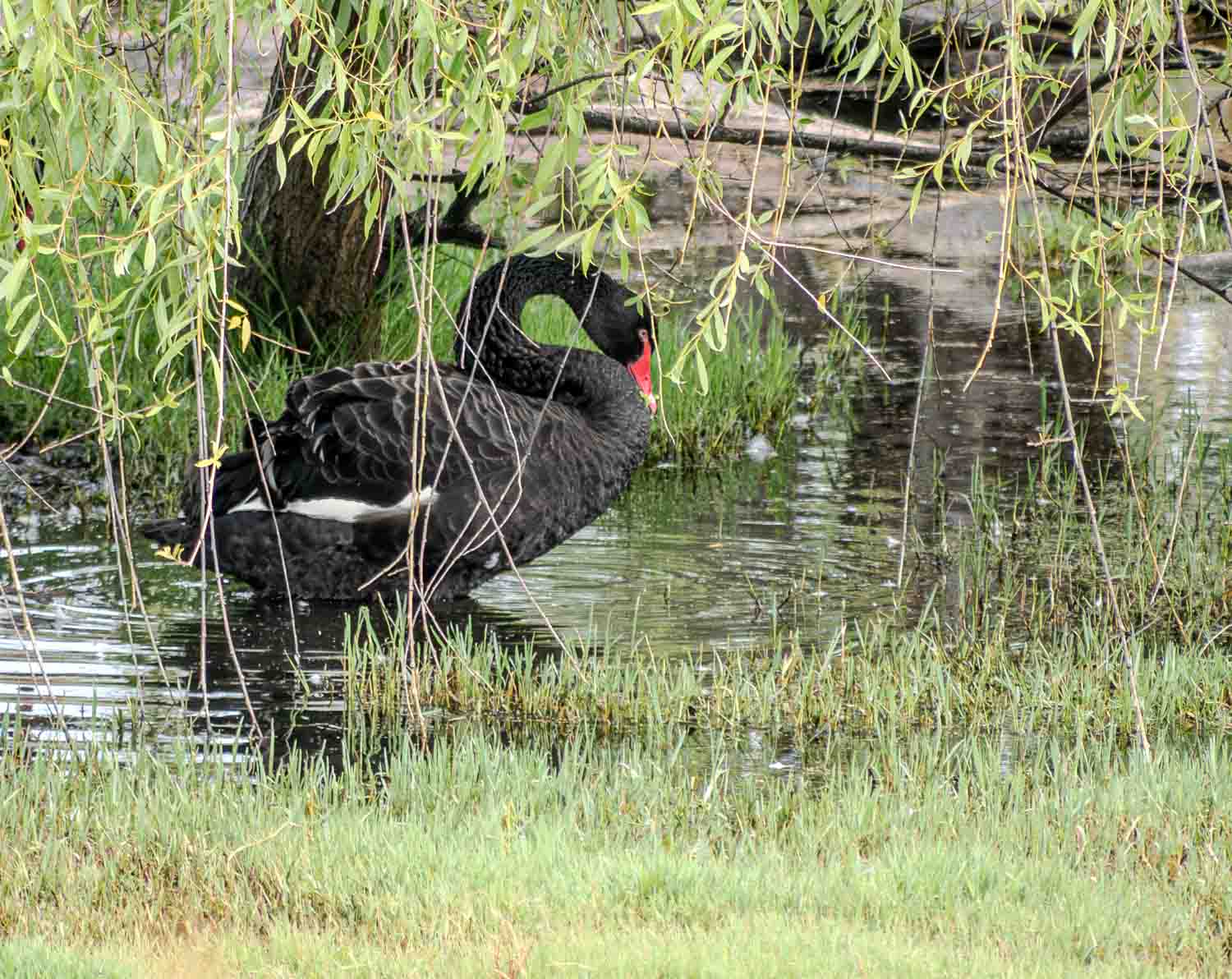
and occasional vistas.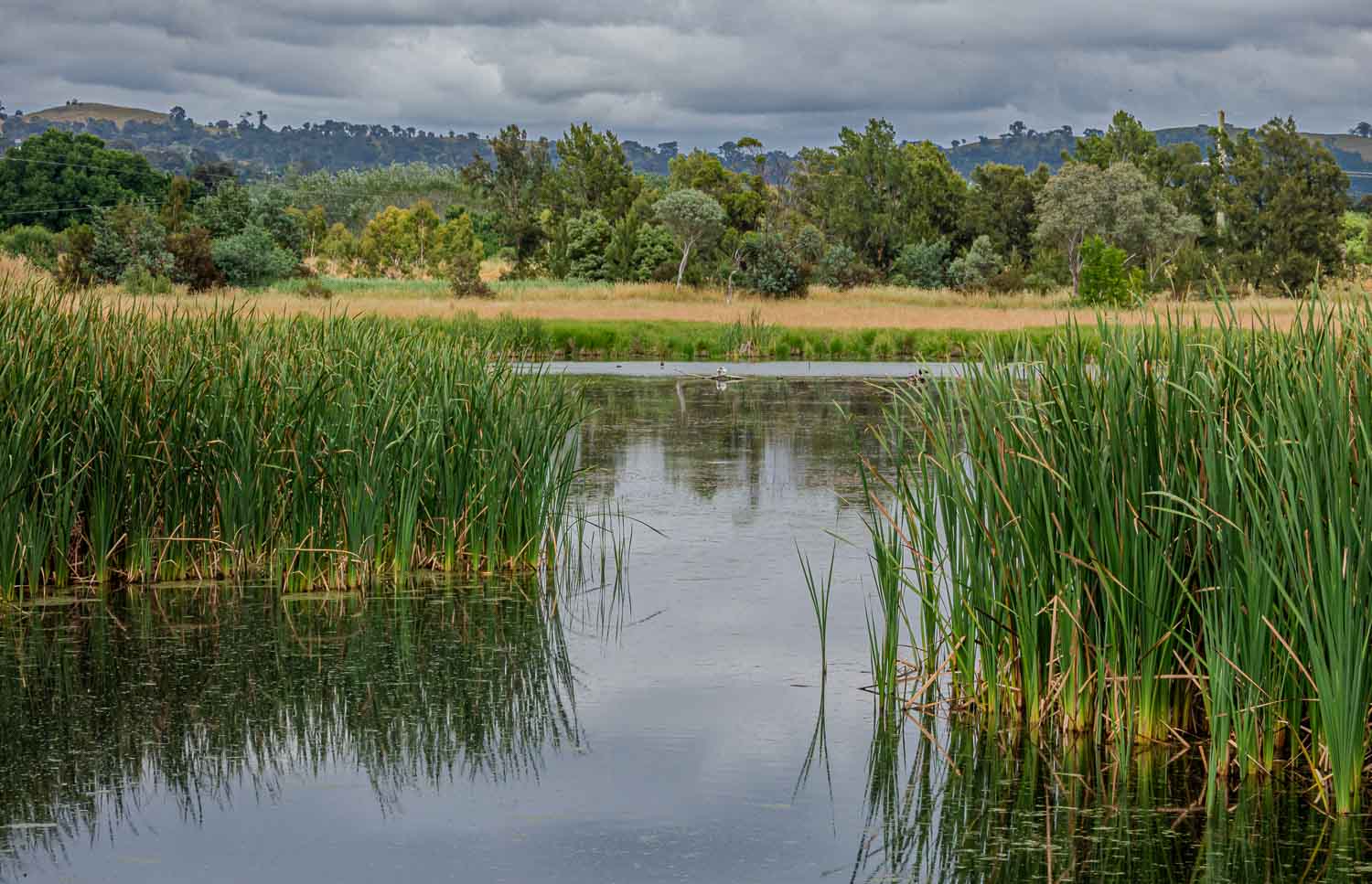
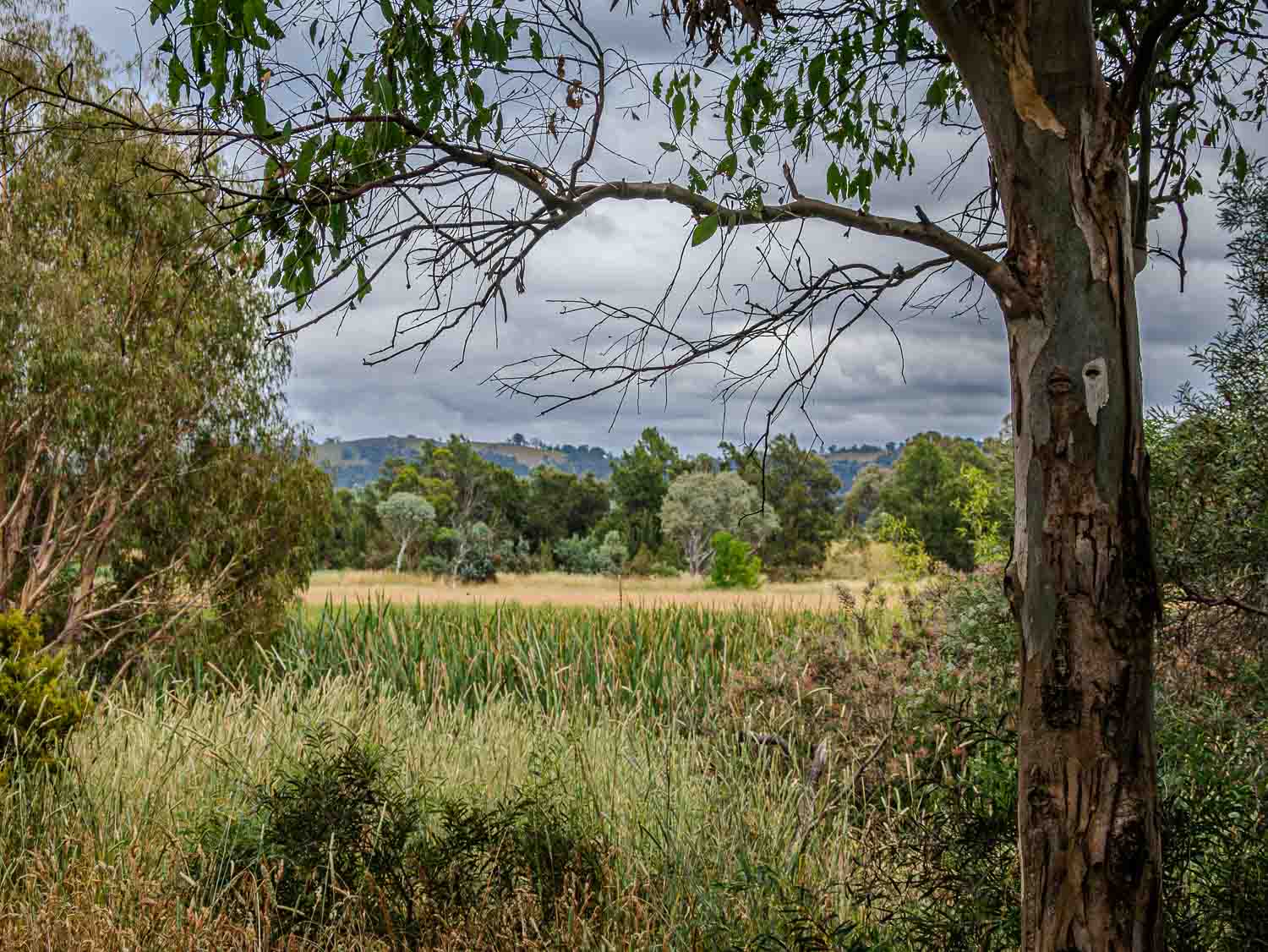
We see the upper half of a resolute runner on a trail across the grasses from us, and the quick blue flash of a fairywren. We see more, and different grasses;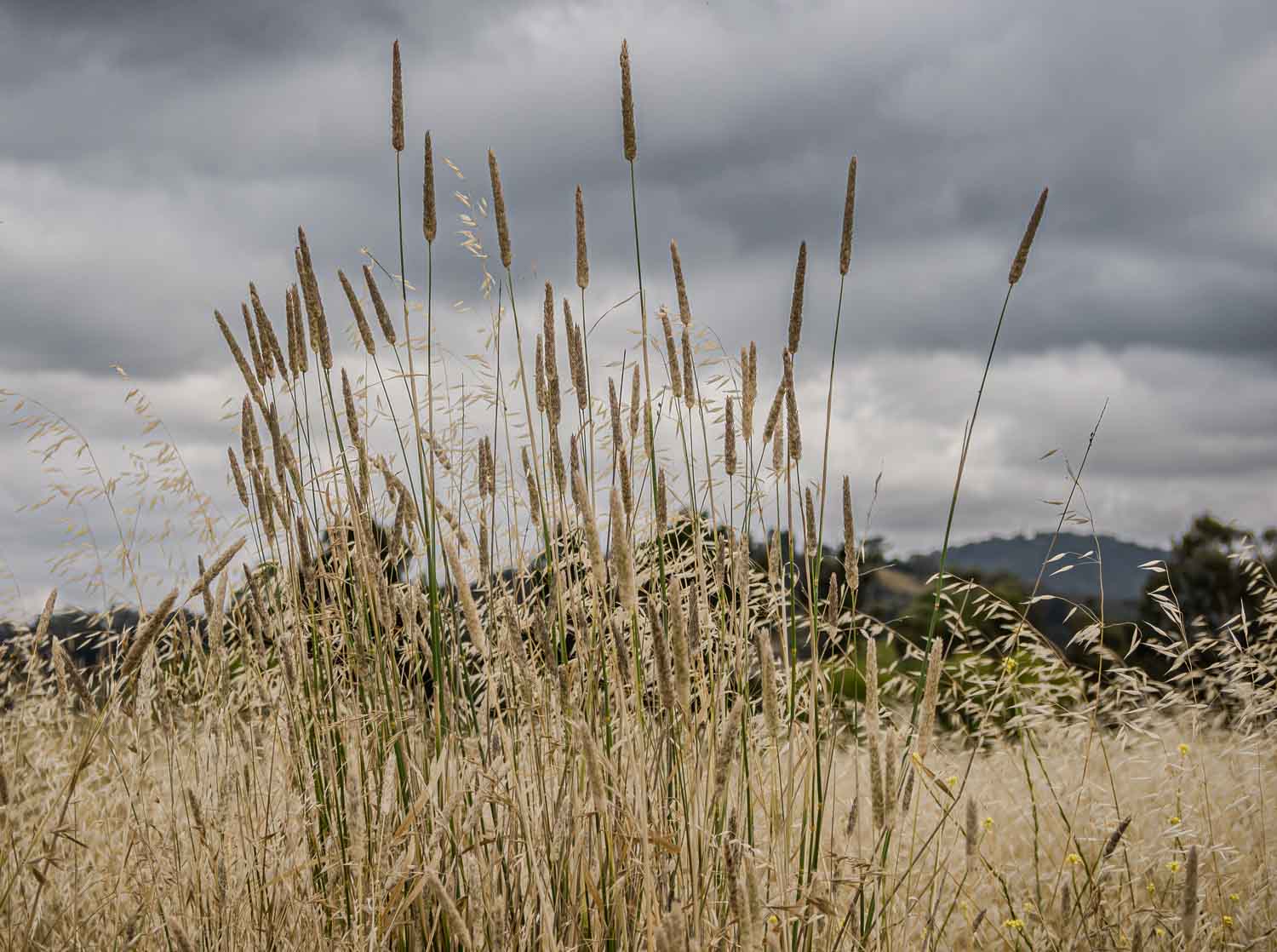
we see a wattle tree dripping with seed pods;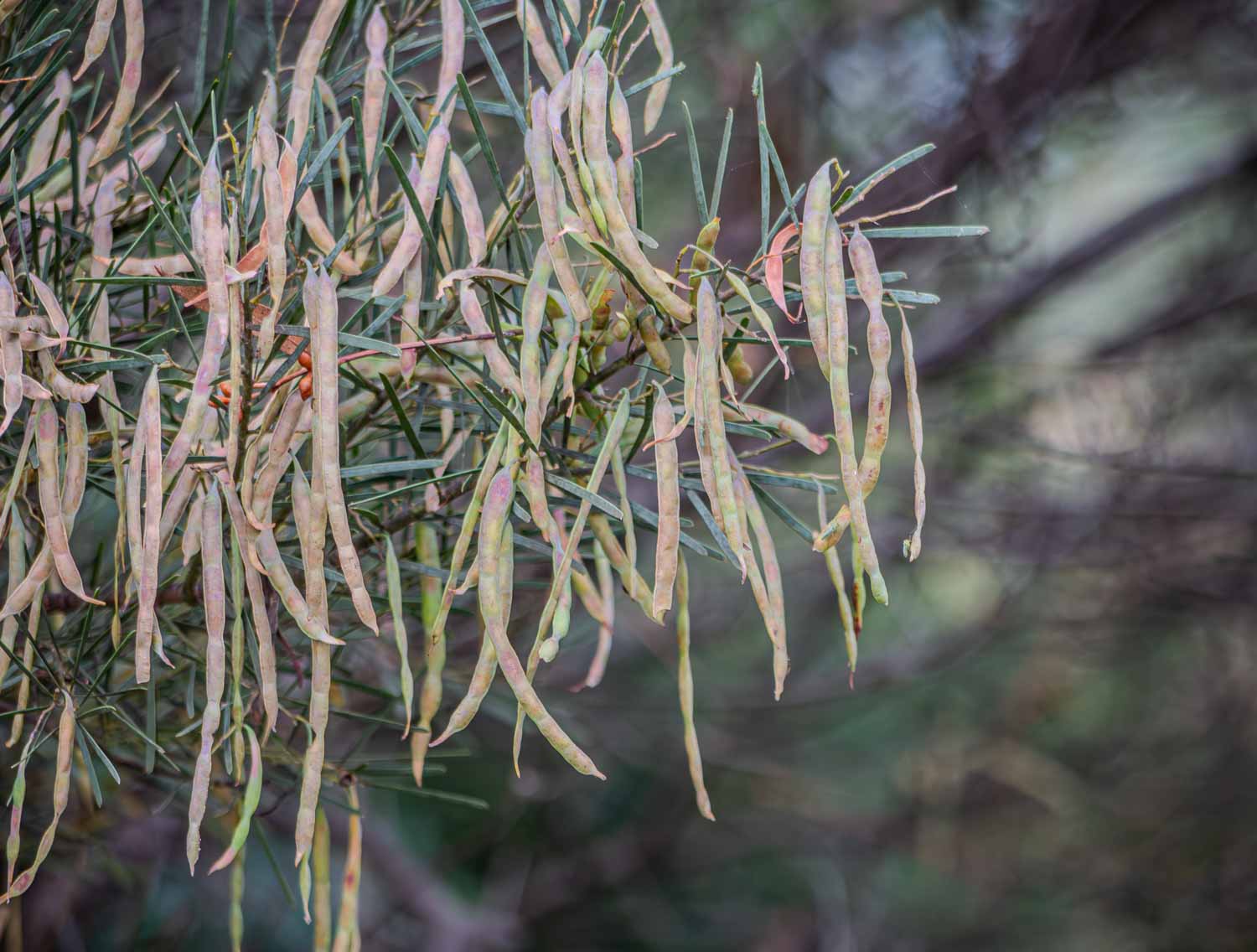
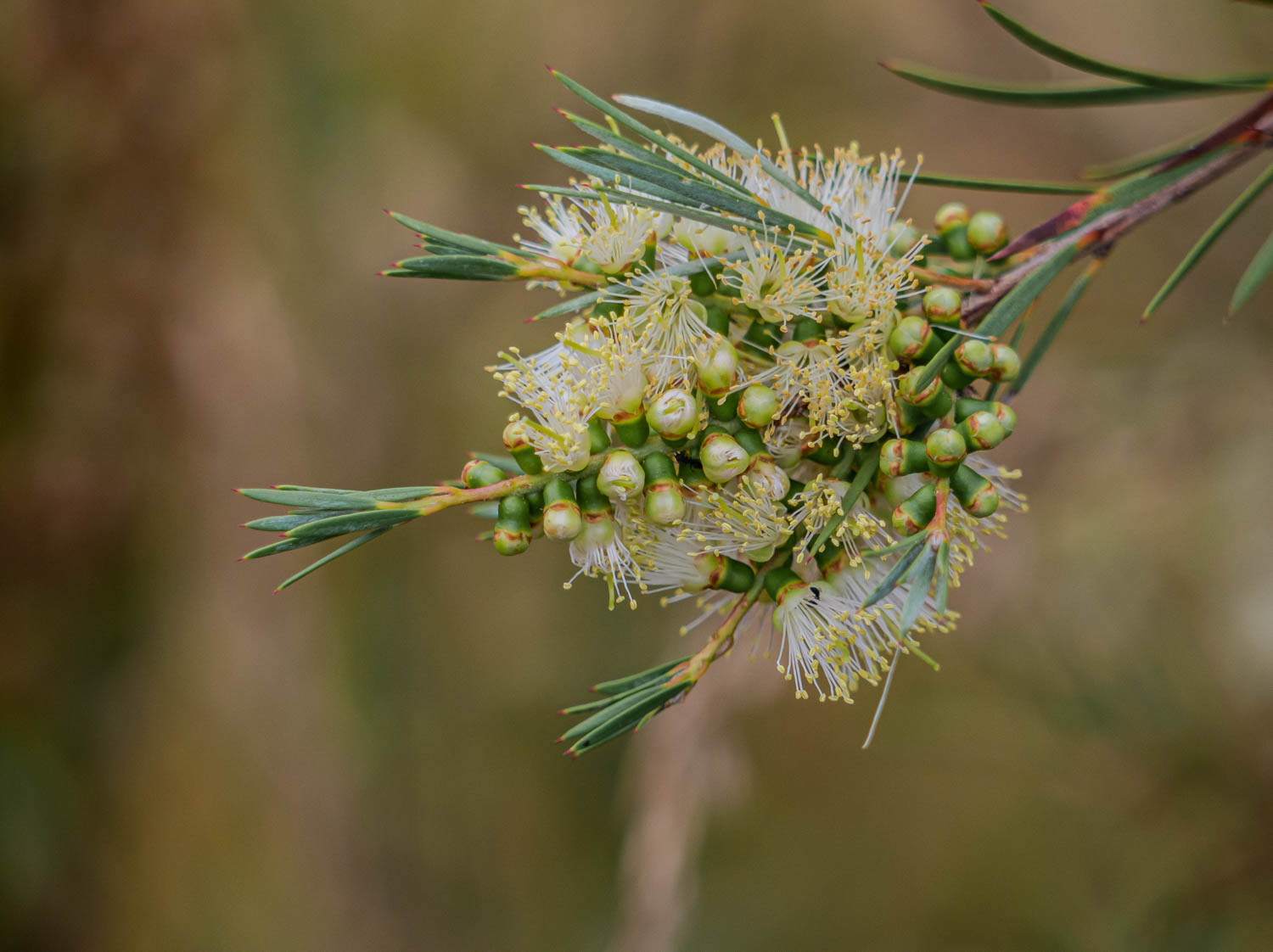
and Lemon Myrtle, used by Indigenous Australians for 40,000 years. They treated headaches by crushing and inhaling the leaves, and wrapped the leaves in paperbark to flavour fish dishes. They were used for food flavouring, and still are to this day.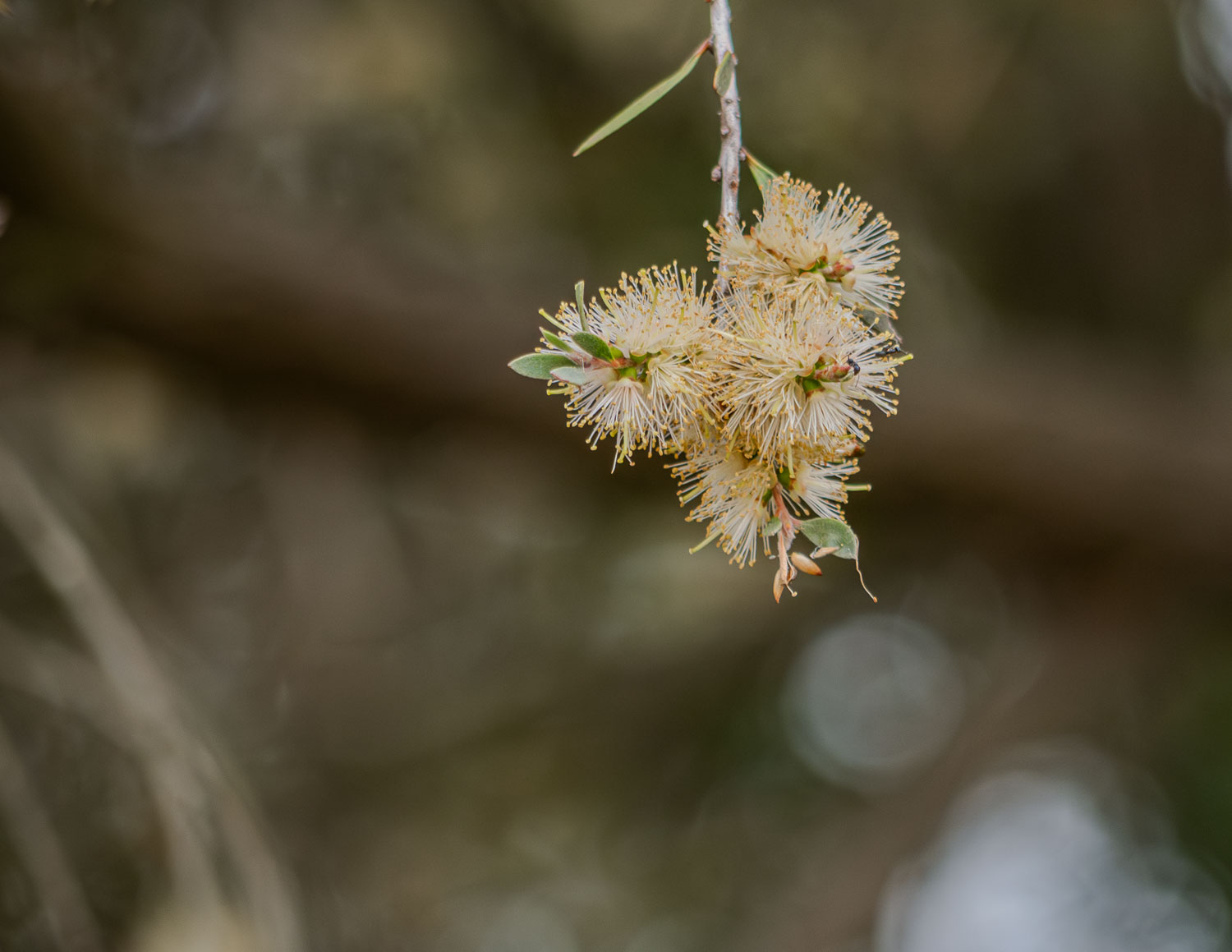
And we see this: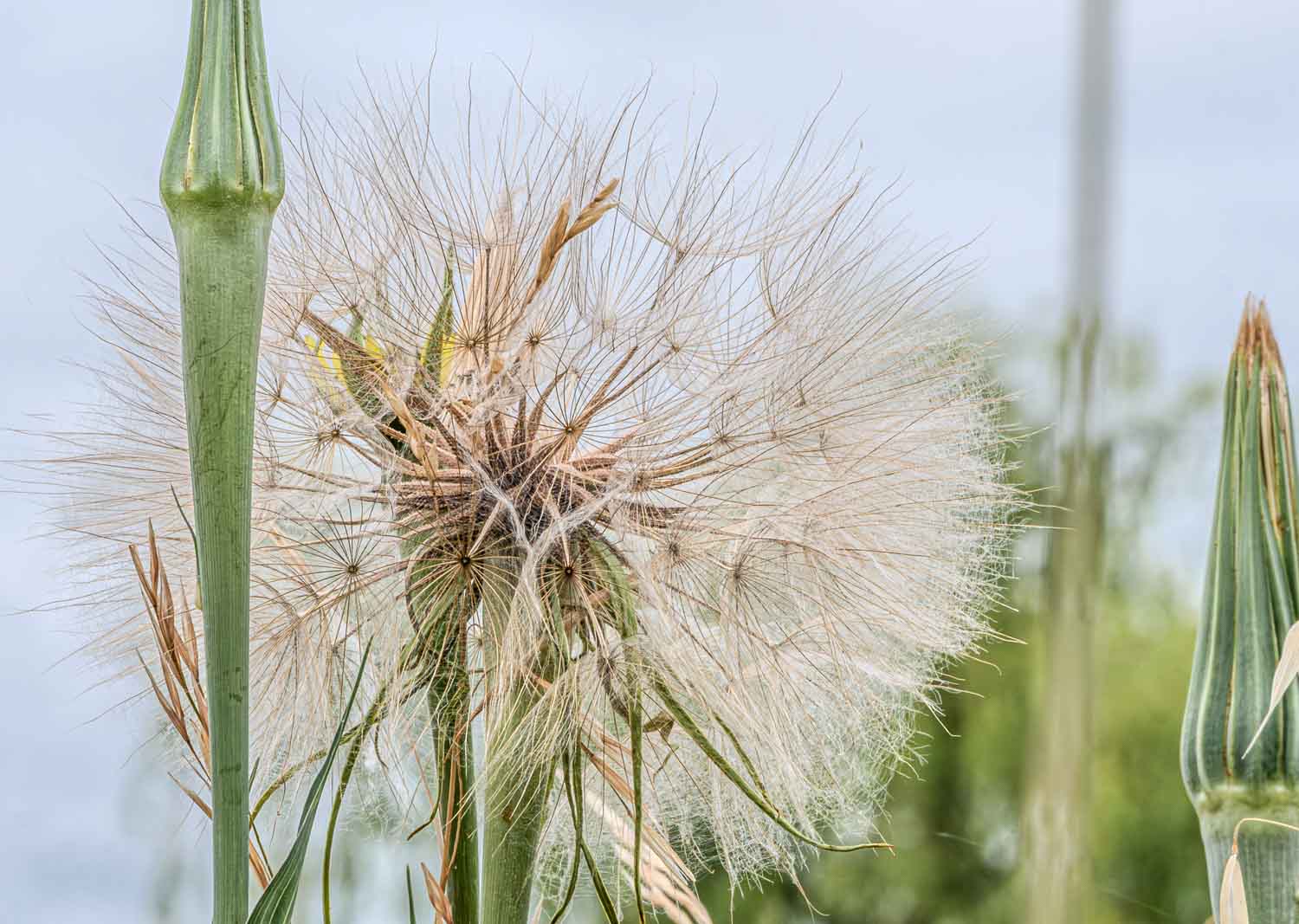
It’s not your usual dandelion puff. It’s as big as your fist.
Canberra’s an odd city; it has never been allowed to grow organically, every aspect has been planned from the beginning. Many people who visit say it’s boring, especially other Australians. People say it has no soul. But it is also a city of parks, and gardens, and tree-lined streets, abundant brilliant birdlife, kangaroos, and acres and acres of untamed nature reserves. It’s this easy access to nature that I love so much, and the Botanic Gardens and the Wetlands are both a significant part of that. Wherever you go in this city it’s easy to get connected to the natural world; and that nourishes my soul.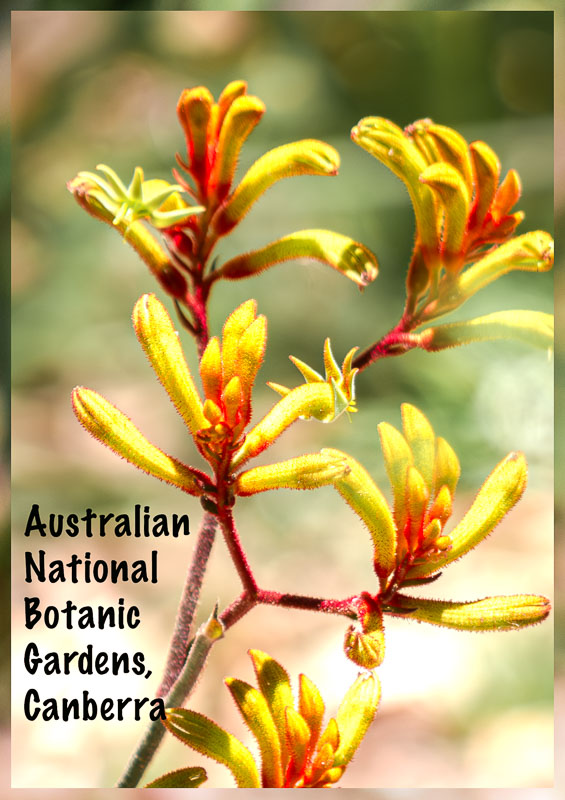
This was and always will be Aboriginal land. Canberra is on the lands of the Ngunnawal, Ngunawal and Ngambri peoples.
Next post: Family Matters
All words and images by Alison Louise Armstrong unless otherwise noted
© Alison Louise Armstrong and Adventures in Wonderland – a pilgrimage of the heart, 2010-2023.

 Adventures in Wonderland
You wrote “Who could ever doubt a rose?” That one sentence is an exquisite poem in and of itself. And I adore the second photo showcasing the color blue – sorry I don’t know what it is called. Thank you for taking us along on your explorations!
LikeLiked by 1 person
Thank you so much! Every now and then true inspiration strikes. I wish it would happen more often 😂
The blue flower is agapanthus, and they were everywhere.
Alison
LikeLiked by 1 person
You are brilliant Alison.
LikeLiked by 1 person
Gosh, Cindy! Thank you so much.
Alison
LikeLike
Utterly fabulous! The heat is just leaving us now, and the agapanthus long gone, but there’s so much beauty in the world. Thanks for sharing it, Alison.
LikeLiked by 1 person
Thanks so much Jo. There was agapanthus *everywhere*!
I agree – so much beauty, and it’s my pleasure to share it. The Botanic gardens are a treat every time.
Alison
LikeLiked by 1 person
Really appreciate all the bright colors here, Alison! I used to take flowers for granted. But as I get older, I become more appreciative of nature’s blooms, a sign of better and sunnier days to come. But speaking of nature, the scribbly gum looks so interesting! I was so curious I had to google it to find out about those markings. Apparently they’re created by moth larva. Love that photo of you on a Thorny Devil!
LikeLiked by 1 person
Thanks Bama – that Thorny Devil just begged me to climb aboard. 😂
I love flowers, but I must admit I’ve come to appreciate them more and more as I’ve gotten older. Nature is so amazing.
I’d guessed the scribbles would likely be some kind of insect/moth creature. Thanks for confirming that.
Alison
LikeLiked by 1 person
Aaaaaah, that was a lovely escape from a grey, not quite freezing day here in Oklahoma. All those colors in the botanic garden! Wowsers. Sorry you didn’t see more at the wetlands than grass, even though it is pretty impressive when the grass is taller than you! I’m glad they’re trying to bring that area back; it doesn’t sound like much before they started the project.
LikeLiked by 1 person
Thanks so much Felicity; happy to help you escape.
The gardens were full of colour, and rarely disappoint.
But I was a little disappointed with the Wetlands. I’d like to go back early spring before the grasses have taken over. And yes I agree – so good there’s a commitment to restore it.
Alison
LikeLike
Such an array of nature’s finest, from the colorful flowers and trees to the fauna. I was going to focus on the water dragons, but after I saw the scribbly gum, I couldn’t stop studying it! The name got my attention, but the bark is so cool and unique. I’d like to make it my wallpaper (in my house, not on my screen! 🙂 )
LikeLiked by 1 person
Aussie plants are so fabulous. I miss them. You can take the girl out of Oz but you can’t take Oz out of the girl. Kangaroo paw is a favourite for sure. And yeah, the gum trees! So many varieties, and the names are so typically down to earth. Isn’t that scribbly gum bark so cool!
Alison
LikeLiked by 1 person
Spring is busting out all over! It seems odd to be saying that, this time of year, but it’s an interesting planet.
LikeLiked by 1 person
It *is* an interesting planet! And when we were in Oz spring was definitely busting out. We were so happy to leave a Vancouver winter behind and to to Australia’s summer.
Alison
LikeLiked by 1 person
Beautiful depicture of fascinating nature, Alison! I am in awe of the gum trees and how the Indigenous people make use of them. Something to learn from.
LikeLiked by 1 person
Thanks so much Astrid. The Indigenous people know so much about the land and the plants that we could learn from. Slowly it’s starting to happen .
Alison
LikeLike
Beautiful gardens and photos – you are expert at framing those micro images. I haven’t seen a black swan, they look so graceful.
LikeLiked by 1 person
Thanks so much Ruth. I’m hoping one day I’ll get to see the wetlands in early spring before the crazy late spring/summer growth, but yes the gardens are beautiful, at any time of the year.
Of course being an Aussie I’ve seen black swans many times – beautiful creatures.
Alison
LikeLiked by 1 person
Wow! 🙂
LikeLiked by 1 person
Thanks. Both places are pretty wonderful.
Alison
LikeLiked by 1 person